

The complete guide
Choosing Cambric Dust Cover Fabric for a Furniture Repair
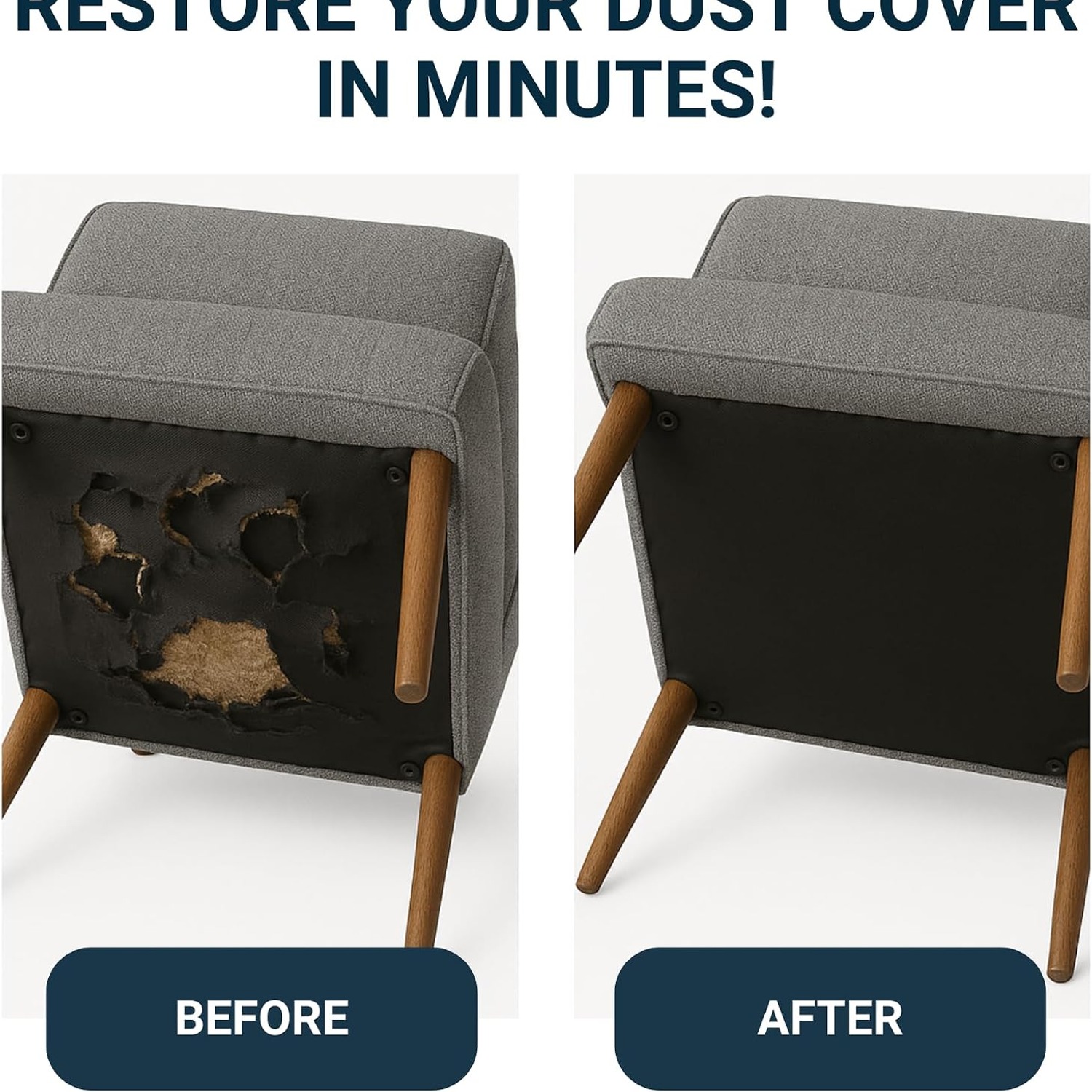
A small lining repair can make furniture look cared for
A torn strip hanging beneath a sofa can be easy to ignore until it catches your eye every time you enter the room. The same problem can appear under a chair or box spring. The furniture may still be useful, but its underside looks untidy.
Cambric dust cover fabric is meant for that finishing job. It covers the underside rather than replacing the main upholstery. If the old lining is the only damaged part, replacing it lets you deal with that specific problem.
Start by finding out what has failed. Loose lining is different from a broken frame, a damaged spring, or a weak attachment rail. A new cover can hide those areas, but it cannot repair them. Inspect the furniture before planning the fabric work.
What this piece provides
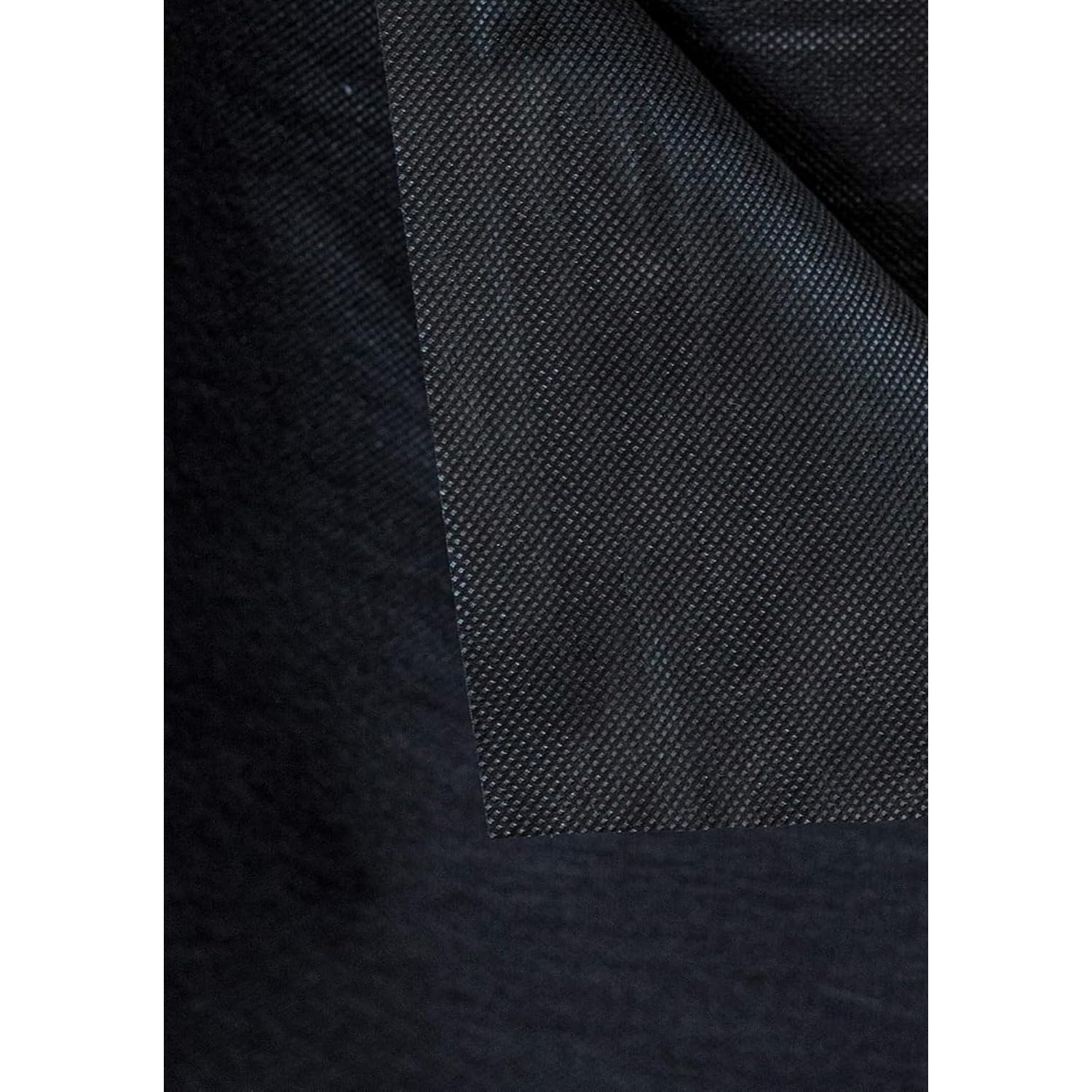
This product is one black piece of cambric measuring 60 by 108 inches. In yard terms, it is 60 inches wide by 3 yards long. It is supplied at that fixed size, not cut to your measurements.
The supplied description identifies the material as nonwoven 100% polypropylene. Its stated fabric weight is 1.2 ounces per square yard. The listed item weight is 8.1 ounces, while the recorded product dimensions are 108 by 60 by 0.04 inches.
Those figures answer different questions. The sheet size helps you plan coverage. Fabric weight describes weight per area. Neither figure is a strength rating, so avoid using them to judge whether the cloth can carry weight or withstand a particular load.
How upholstery underlining works
Upholstery underlining fabric forms a covering across the lower face of suitable furniture. It gives the underside a more finished appearance and provides a dust-cover layer over the exposed area.
Think of it as a finishing component. Sofa bottom cloth is not a replacement for seat support, and it should not be expected to hold loose internal parts in place. If anything inside is damaged, address that issue first.
The fabric is described as having some stretch to help it fit around corners and curves. That can be useful during placement, but it does not mean you should pull it as hard as possible. Exact stretch limits are not stated. A measured, even fit is a more sensible aim than a highly tensioned surface.
Who this fabric suits
This piece may suit someone replacing a worn underside lining on an otherwise sound sofa or chair. It is also intended for suitable box springs. The deciding factors are the area to cover and whether the furniture offers an appropriate attachment surface.
It may also suit a larger upholstery project where the final step is closing the underside. In that case, plan the lining alongside the rest of the work rather than leaving the measurements until the end.
It is not described as fabric for cushion covers, seat panels, or other exposed upholstery. Those jobs have different needs. If you need a material with a stated wear rating, waterproof performance, or fire rating, the maker's description does not provide those details.
Measure the underside, not just the furniture label
Furniture names are not reliable cutting guides. A sofa described as a two-seater can have a different underside from another two-seater. Bed size labels also do not tell you how much fabric is needed around a box spring's attachment edges.
Measure the actual area you intend to cover. Then examine where the fabric will attach. The required piece must reach those points with enough allowance for the fitting method you choose.
Compare that complete requirement with the 60 by 108 inch sheet. Check both directions, since rotating the planned layout may change whether it fits.
Do not assume that a sheet which matches the opening exactly will be large enough. The attachment area matters too. No single allowance is specified for this product, so base yours on the furniture and the method being used.
Plan your cuts before you start
A simple paper sketch can prevent an avoidable mistake. Draw the underside, note its measurements, and mark legs, rails, and any areas that need to remain accessible. Then draw the proposed fabric shape.
For several smaller pieces, work out the whole layout before making the first cut. A chair bottom cloth may leave useful material, but the size of those remaining sections depends on your cutting plan. Do not count on covering several items without measuring each one.
Once the sheet has been cut, it no longer meets the stated conditions for a change-of-mind return. A few minutes spent checking the layout can save both fabric and frustration.
Inspect the furniture before fitting
Look closely at the old lining before removing it. Its outline and attachment points can help explain how the underside was finished. Treat that as a guide, not proof that every old detail should be repeated.
Check for damaged wood, loose fittings, and exposed sharp fasteners. If the frame needs repair, deal with that before adding replacement sofa lining. Covering a problem makes later inspection harder.
Moving furniture also needs care. A heavy sofa or box spring may require help to position safely. Do not attempt to work underneath furniture that is unstable or poorly supported. If you cannot get safe access to the underside, ask someone experienced to handle the job.
Choose a fitting method for the furniture
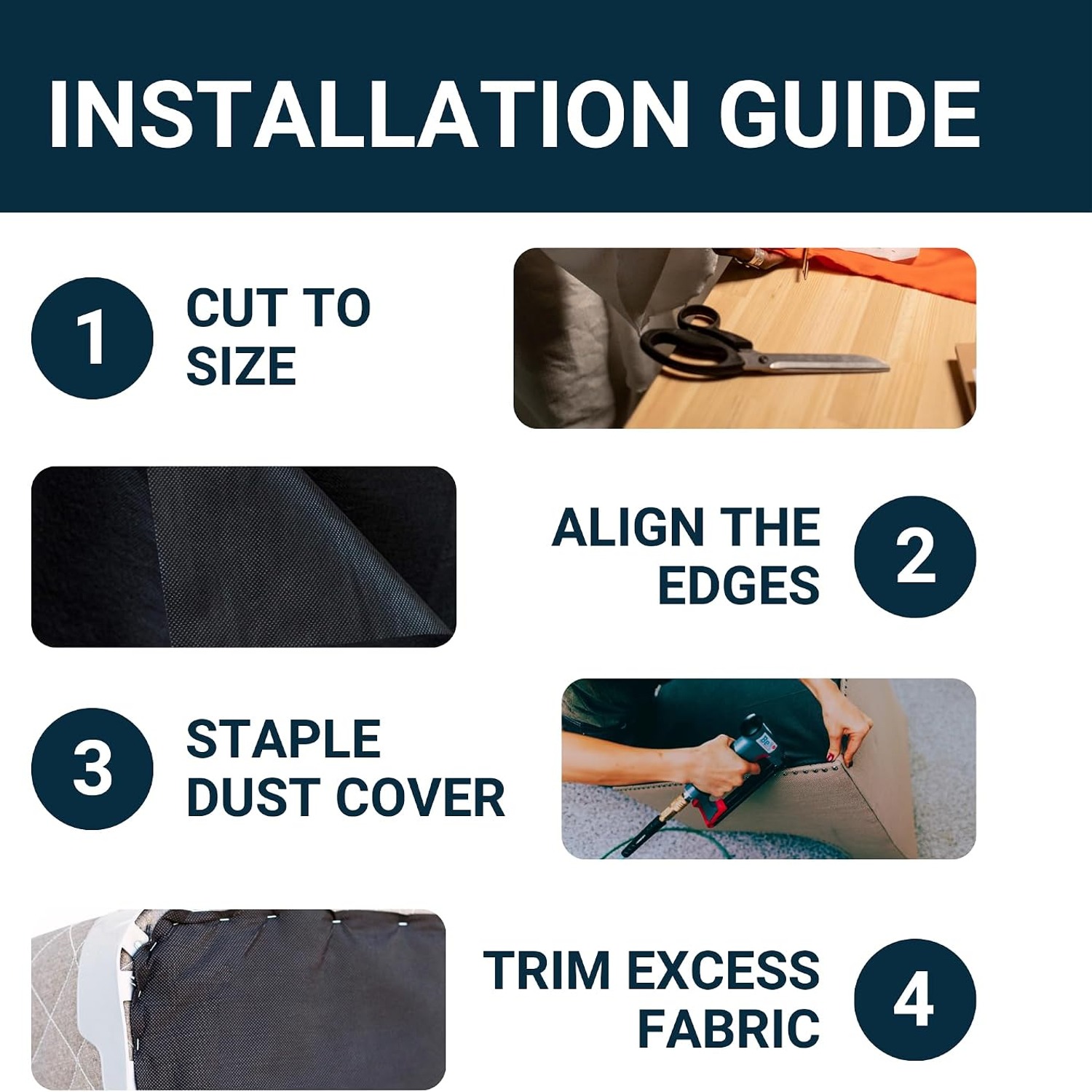
The maker does not give a universal installation method. What works on one frame may not suit another. Inspect the existing construction and choose tools and fasteners appropriate to that furniture.
The stated supply is one fabric piece. Do not assume that tools, staples, or other fittings are included. Gather what your project needs before beginning so you do not have to stop with the furniture partly dismantled.
Lay out the couch bottom fabric and check its position before securing it. Work toward a smooth, even finish without excessive pulling. Keep checking the edges as you go, especially around corners.
For recliners or other moving furniture, get model-specific guidance. Fabric and fasteners must stay away from moving parts. The maker does not confirm compatibility with those mechanisms.
Know what the material details do not tell you
The nonwoven construction and polypropylene content describe the cloth, but they do not establish every aspect of its performance. Water resistance, heat tolerance, and cleaning compatibility should not be guessed from the fiber name alone.
Likewise, a neat-looking lining does not prove that a furniture repair is complete. After fitting, check that access points remain usable and that no loose fabric can catch where it should not.
If your project has a specific technical requirement, ask for evidence before ordering. This is especially important when replacing a component that originally carried a stated performance rating. An unstated rating is not the same as a confirmed one.
Keep care gentle and practical
An underside lining usually receives less direct contact than a seat cover, but it can still collect dust or catch on nearby objects. Remove loose surface dust gently. Avoid pulling the material or pressing a vacuum attachment hard against it.
Washing instructions are not specified by the maker. Do not assume the sheet can go into a washing machine or dryer. Before using any cleaner, check the furniture care guidance and confirm that the treatment is suitable.
It is worth looking at the lining when the furniture is moved for other reasons. A loose edge is easier to notice when you can see the underside clearly. Avoid dragging the fabric across rough floors or snagging it on stored items.
Check delivery and returns before cutting
A delivery lead time is not provided by the maker. Check the estimate shown for your address before scheduling a repair, especially if you need to coordinate help moving the furniture.
Keep the original packaging while you make that decision.
The stated return period is 14 days from delivery. For a change-of-mind return, the fabric must be unwashed, uncut, unused, and in its original packaging. The customer pays return postage. Faulty or wrongly described goods are put right free of charge.
The short version
Choose this cambric dust cover fabric when you need a black underside lining for suitable furniture and the 60 by 108 inch piece fits your plan. Measure the full attachment area, not just the visible opening.
Check the frame first, choose a fitting method suited to the furniture, and keep the fabric clear of moving parts. With those checks done, you can decide whether this fixed-size sheet is the right finishing material for your repair.