

The complete guide
Choosing Paisley Charm Squares for Your Next Patchwork Project
Cutting fabric into equal squares can take a fair share of your sewing time. If you already know you want a patchwork layout, precut pieces let you move straight to arranging the prints. You still have choices to make, but the starting shape is ready.
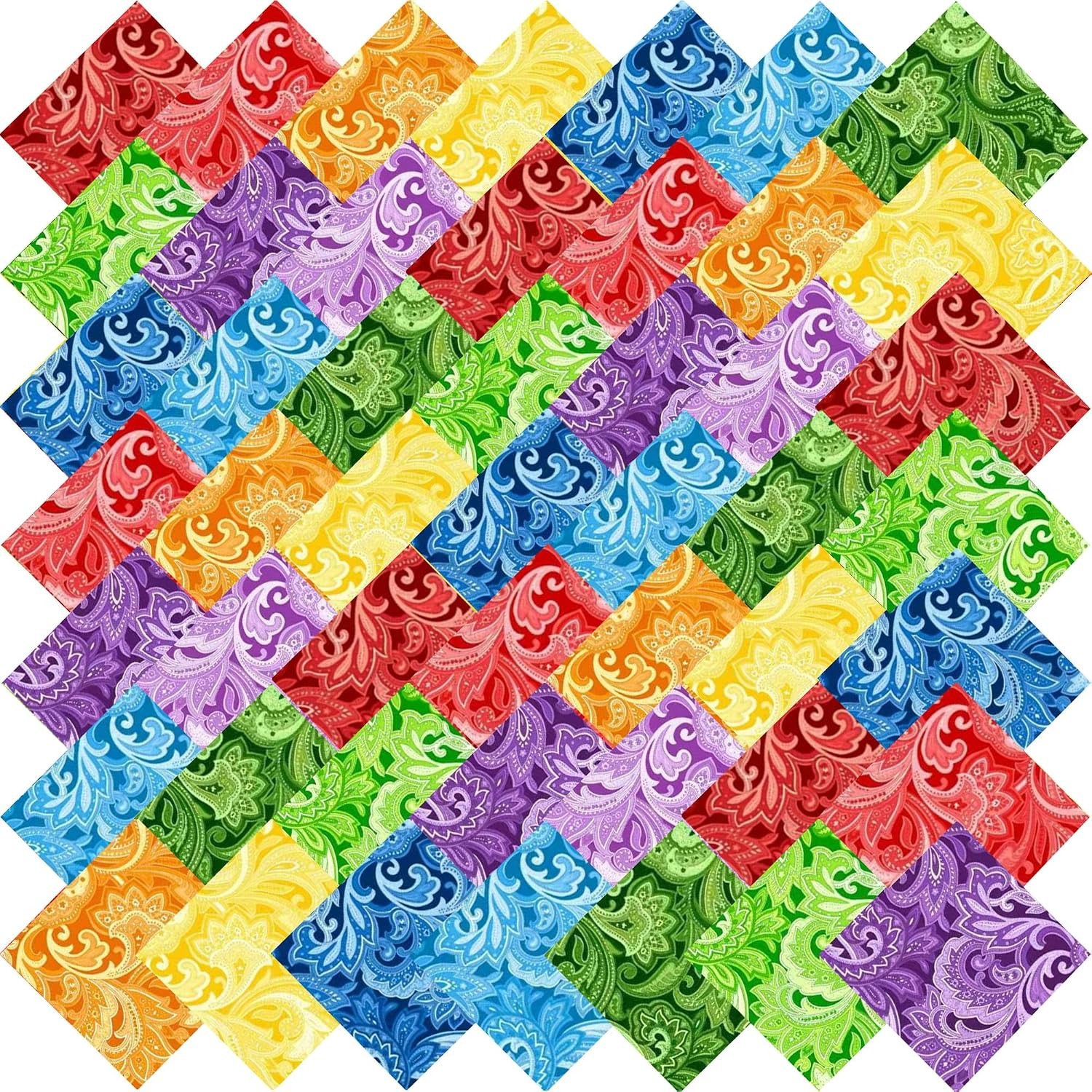
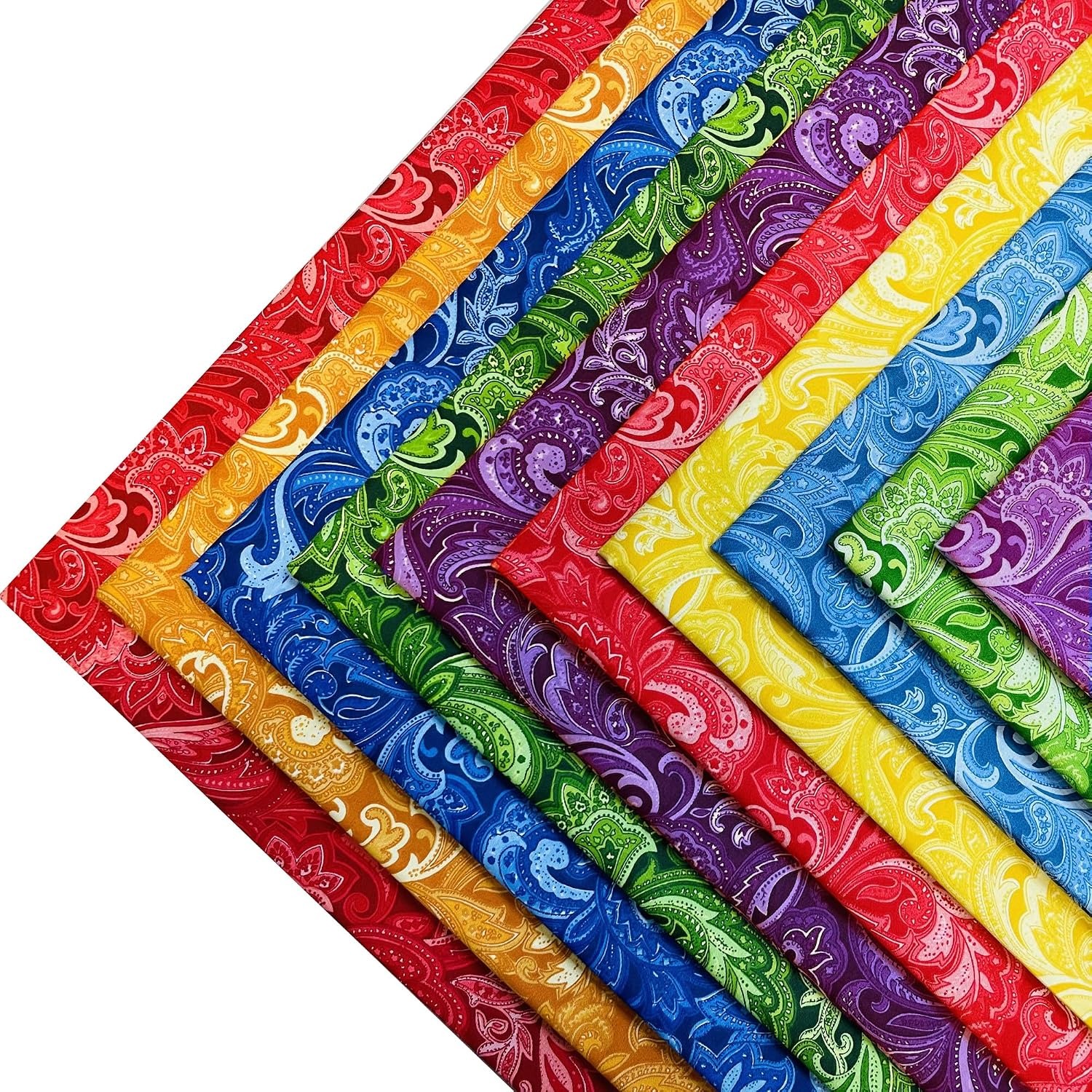
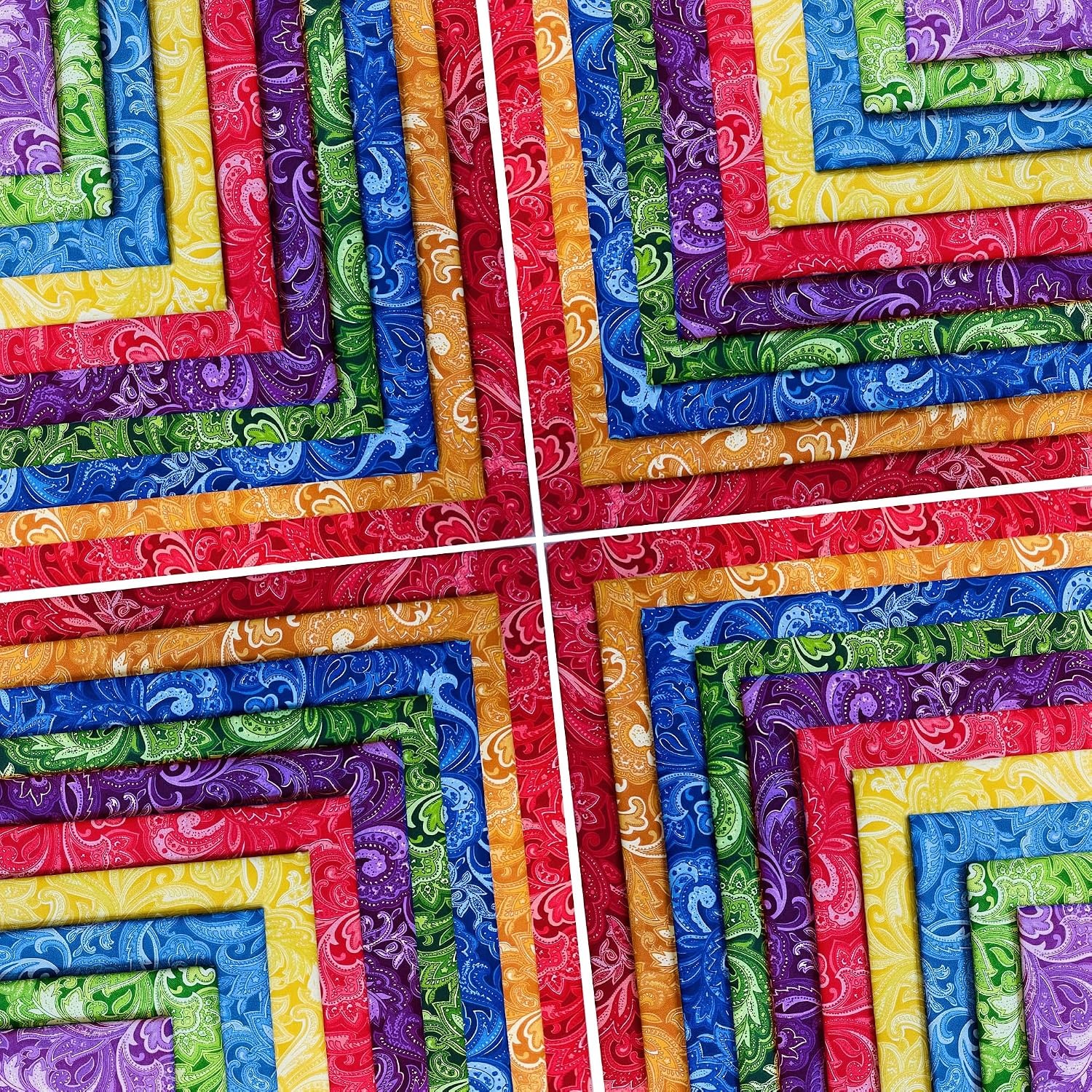
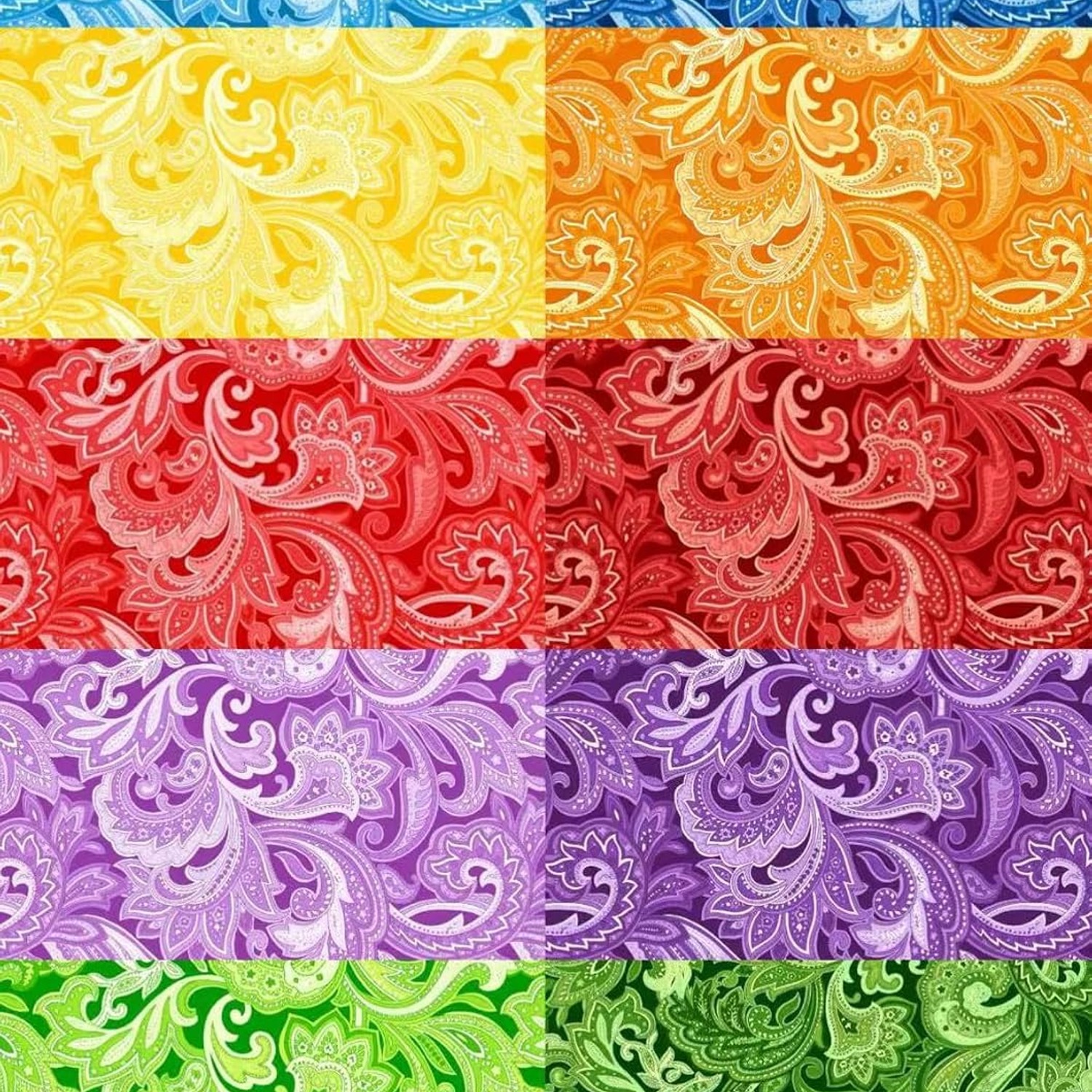
These charm pack squares come in a bundle of 50. Each piece measures 5 x 5 inches, and the pack includes ten paisley floral designs with five squares of each. That repeated mix is useful when you want a pattern to appear in more than one part of your project.
The key is to buy for the pattern you plan to sew. A pack count alone does not tell you the finished quilt size, and a 5-inch cut square will not stay 5 inches wide after joining.
What this pack gives you
This is a bundle of precut fabric, not a finished quilt or a complete sewing kit. You receive cotton squares that can become part of a patchwork panel, quilt top, or another project designed around this starting size.
There are ten designs rather than 50 different prints. Each appears five times. That matters if you want to make repeating blocks, place matching prints in separate rows, or create groups with a shared pattern.
Before choosing a layout, spread out the whole pack. Seeing the pieces together makes it easier to decide which prints should sit next to each other. You may prefer an even spread of matching designs, or you may want small clusters.
The theme is paisley floral. Exact colors and individual design names are not specified, so avoid planning a precise color match from the theme name alone. The images provide a visual reference, but screens can affect how colors look.
How 5-inch squares work in patchwork
The stated size is the cut size of each square. When two pieces are sewn together, some fabric goes into the seam allowance. That means the visible section becomes smaller.
For example, a 5-inch square sewn with a quarter-inch seam allowance on every side would show a 4½-inch square in the finished patchwork. This is a planning example, not a required seam allowance for every project. Follow your pattern.
That difference becomes important across a whole panel. A row of squares cannot be measured simply by multiplying the number of pieces by five and calling it the finished width. You need to account for the joins.
If you want to use these five inch fabric squares in a pattern written for another precut size, check the cutting instructions carefully. A larger starting square cannot always be replaced with a smaller one, even when the finished block looks similar.
Making use of the repeated designs
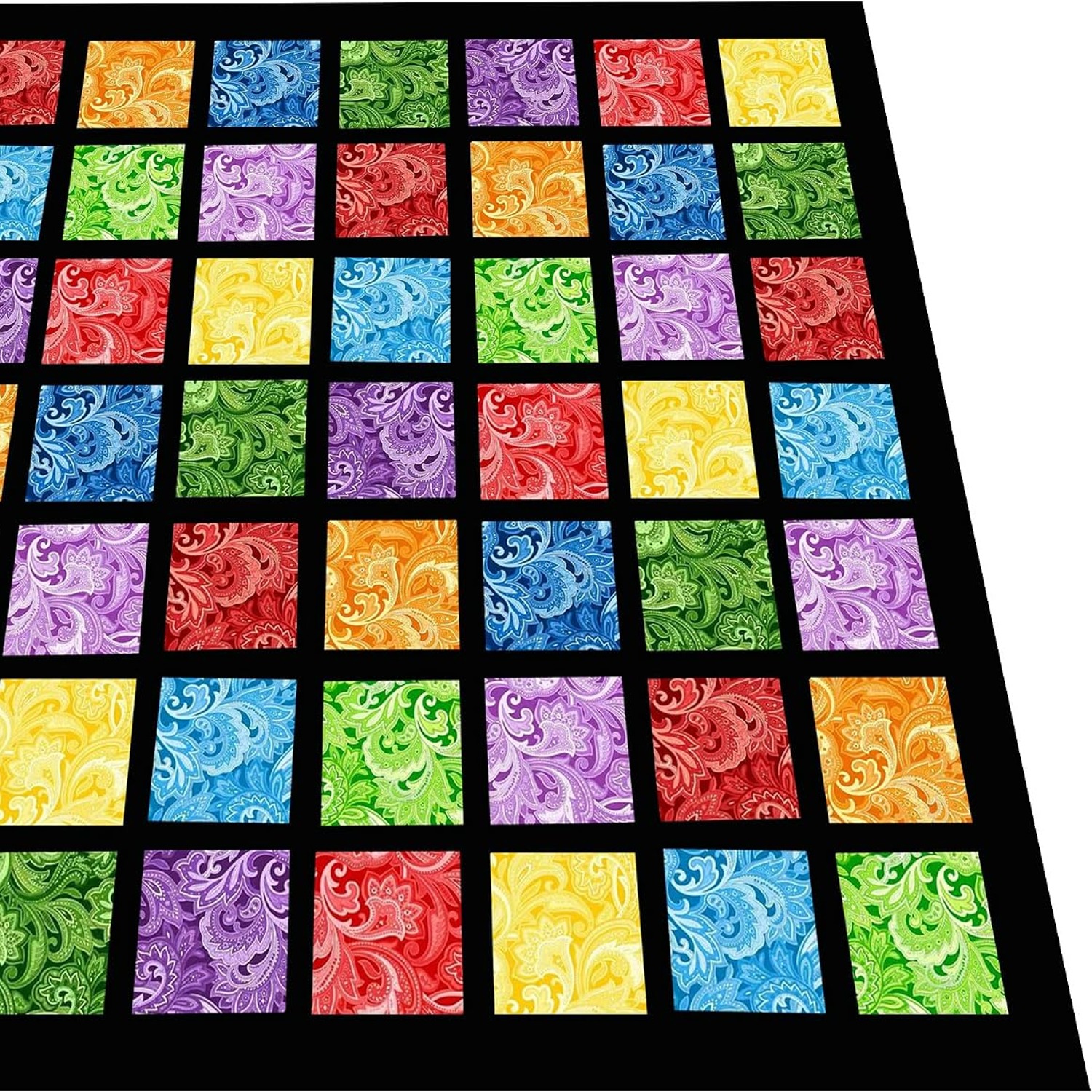
Five copies of each print give you room to plan. You could place matching squares along a diagonal, repeat a print at regular points, or keep similar designs apart.
Start by deciding whether repetition should be obvious or quiet. If you like a tidy rhythm, place matching pieces at measured intervals. If you prefer a mixed look, spread them out and avoid putting identical prints side by side.
Take a photo once you like the arrangement. It gives you a reference if the pieces move before you sew. Keeping each row in order can also save you from rebuilding the layout later.
Repeating print patchwork does not need a complex block. A simple grid can show the designs clearly. More involved cutting may change which parts of a paisley motif remain visible, so consider that before dividing a favorite square.
Understanding the fabric details
The fabric is listed as 100% cotton with a 200-thread count. The description calls the weave sateen, while the product details use satin. If that distinction is important for your work, seek clarification before ordering.
Those stated details do not answer every question about the fabric. The maker does not give a shrinkage rate, colorfastness test, or country of origin. It also does not provide enough information to promise a particular drape or performance after repeated washing.
Think about how the finished item will be used. A decorative patchwork panel and an item washed often may call for different preparation choices. Your pattern and any other fabrics you add should guide those decisions.
There is no need to test fiber content with an open flame. Use the stated composition as the product information, and contact us if you need more detail before buying.
Who these squares may suit
A beginner may appreciate having equal starting pieces without first measuring and cutting yardage. That removes one preparation step, but it does not replace the need for careful seams and a suitable pattern.
For someone with more sewing experience, a cotton charm pack can offer a contained set of prints for a small project. You can work within the assortment or combine it with fabric you already have.
The pack may also suit a sewer who enjoys arranging prints more than cutting them. Whole-square patchwork keeps the original shapes intact and lets the paisley designs remain a clear part of the result.
If you need a large uninterrupted piece of fabric, this format is not the right substitute for yardage. The squares are already cut. Joining them adds seams, which will affect both the appearance and the construction of your project.
Choosing a project and checking quantities
Start with the pattern's materials list. Look for the required starting square size, the number of pieces, and whether the instructions call for extra fabric.
One pack provides 50 squares. That is a useful count to compare with a pattern, but it is not a promise of a particular quilt size. Borders, sashing, block construction, and seam allowances all change the result.
For small sewing projects, check whether the square is large enough before you plan any cuts. A finished shape that looks smaller than five inches may still need a larger starting piece because of seams, folds, or trimming.
Also check what else the project needs. A quilt may require backing, batting, and binding. A cushion project may need a separate back and closure. Those materials are not listed as part of this fabric bundle.
If your pattern leaves spare squares, keep them until the project is complete. They may help with a test seam, a replacement piece, or a small repair later.
Combining paisley with other fabrics
Paisley patchwork fabric can be used as the main print group or as smaller sections within a larger layout. The choice depends on how much pattern you want across the finished piece.
If you add fabric from your own collection, lay it beside the squares before cutting. Look at the arrangement from a little distance as well as close up.
Color is only part of the decision. Compare the care needs of the fabrics and consider testing them together. Unknown shrinkage or dye behavior can cause trouble when different pieces share the same washable project.
Avoid buying extra fabric on the assumption that a named color will match exactly. Where a close match matters, comparing actual fabric is more reliable than comparing screen images.
Preparing and caring for the squares
Cold water is the stated washing guidance. Other details, including a drying method and pressing temperature, are not specified by the maker.
Prewashing precuts is a choice to make with your pattern in mind. Washing may affect the dimensions or cut edges, so test a spare piece first if you are unsure how to proceed. Measure it before and after if size is important.
Handle the edges gently while sorting and sewing. Repeated handling can disturb cut fabric edges, so it helps to settle on a layout before moving the pieces many times.
When pressing, follow your iron's guidance for cotton and begin with a test piece. Avoid assuming that a setting suited to another fabric will give the same result here.
Keep unused squares dry and out of direct sunlight. Storing them flat and grouped by design makes it easier to see what remains for a future project.
Checking the pack before you start
When the bundle arrives, check the count, dimensions, and designs before washing or cutting. Make sure the format fits the pattern you intend to use.
This is also the time to decide whether the prints work with your other materials. Keep the original packaging while making that decision.
For a change-of-mind return, the stated window is 14 days from delivery. Fabric must be unwashed, uncut, unused, and in its original packaging, with return postage paid by the customer. Faulty or wrongly described goods are put right free of charge.
Delivery lead time is not specified by the maker. If you are sewing for an event or a gift deadline, check the available delivery details before ordering.
The short version
Choose this pack when your project calls for 5-inch cotton squares and you want paisley floral prints with planned repeats. You get 50 pieces across ten designs, with five of each.
Check your pattern before buying, allow for seams, and test care methods before treating the full pack. With those details settled, you can spend more of your preparation time arranging the fabric and less time cutting starting squares.