
The complete guide
A Practical Guide to Choosing and Using Faux Fur Craft Squares
Small projects do not always need a large cut of fabric
A small handmade detail can call for texture rather than a whole length of fabric. Perhaps a costume needs a furry edge, or a plain cushion needs a soft patch. Buying a large piece can leave you with more material than your design needs.
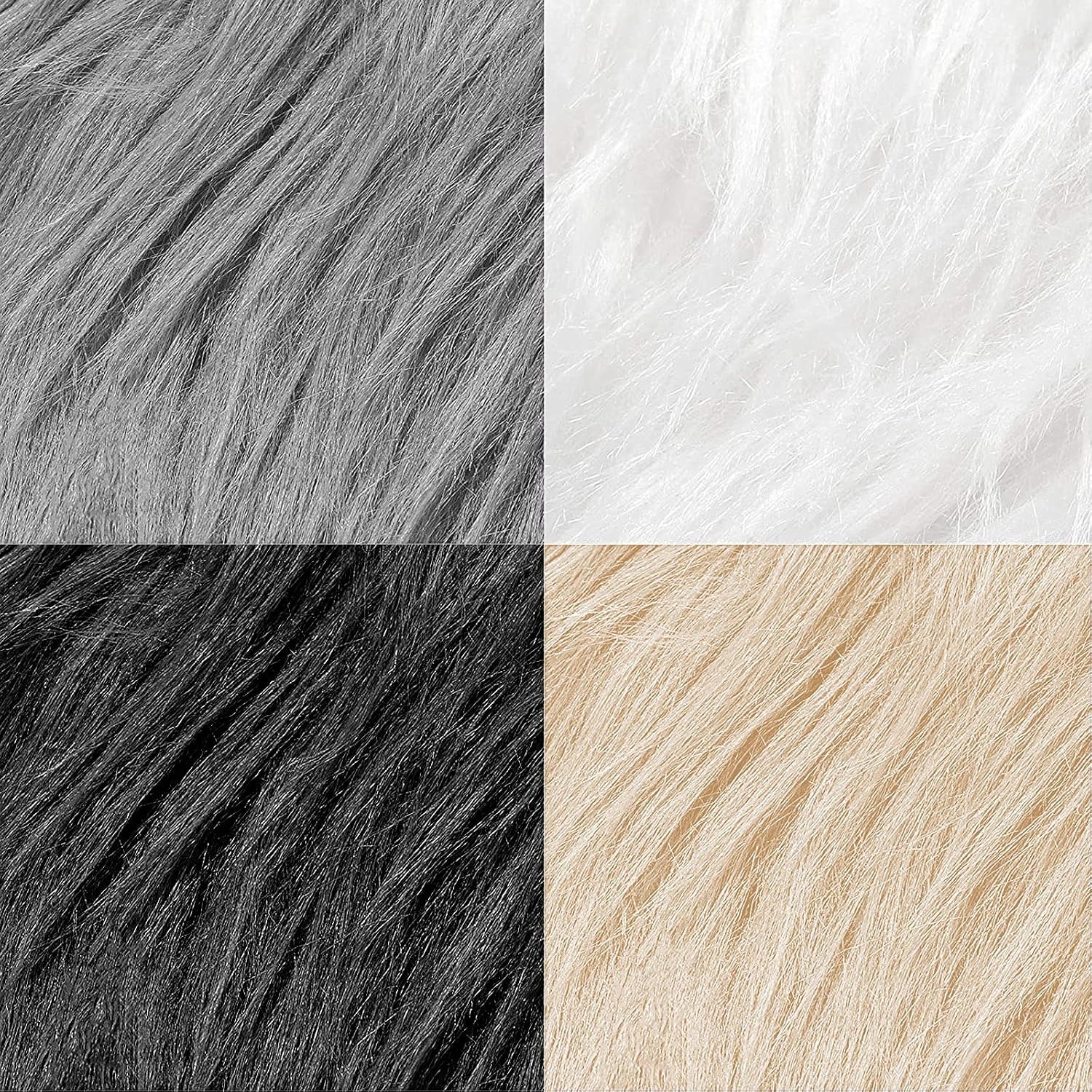
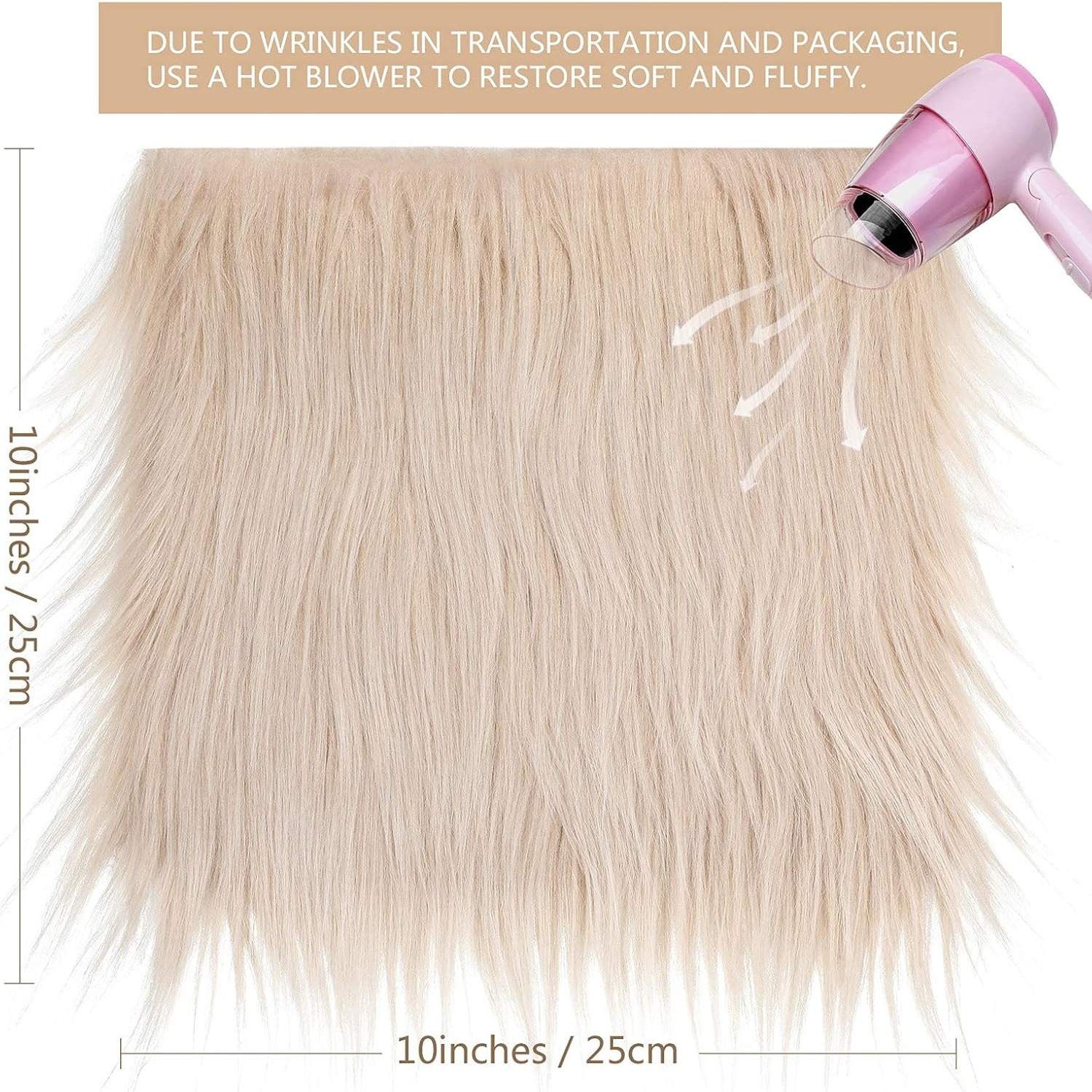
This pack offers four faux fur fabric squares, each measuring 10 x 10 inches. You get khaki, white, black, and gray. The format gives you separate pieces to plan around, with a different color available for each part of a design.
The key is to think small from the start. These are craft pieces, not full-size cushion panels or yardage for a garment. If your pattern fits within the square, with space for seams, this pack may suit the job. If it needs a broad, unbroken surface, a larger cut would be a better choice.
What gives faux fur its texture?
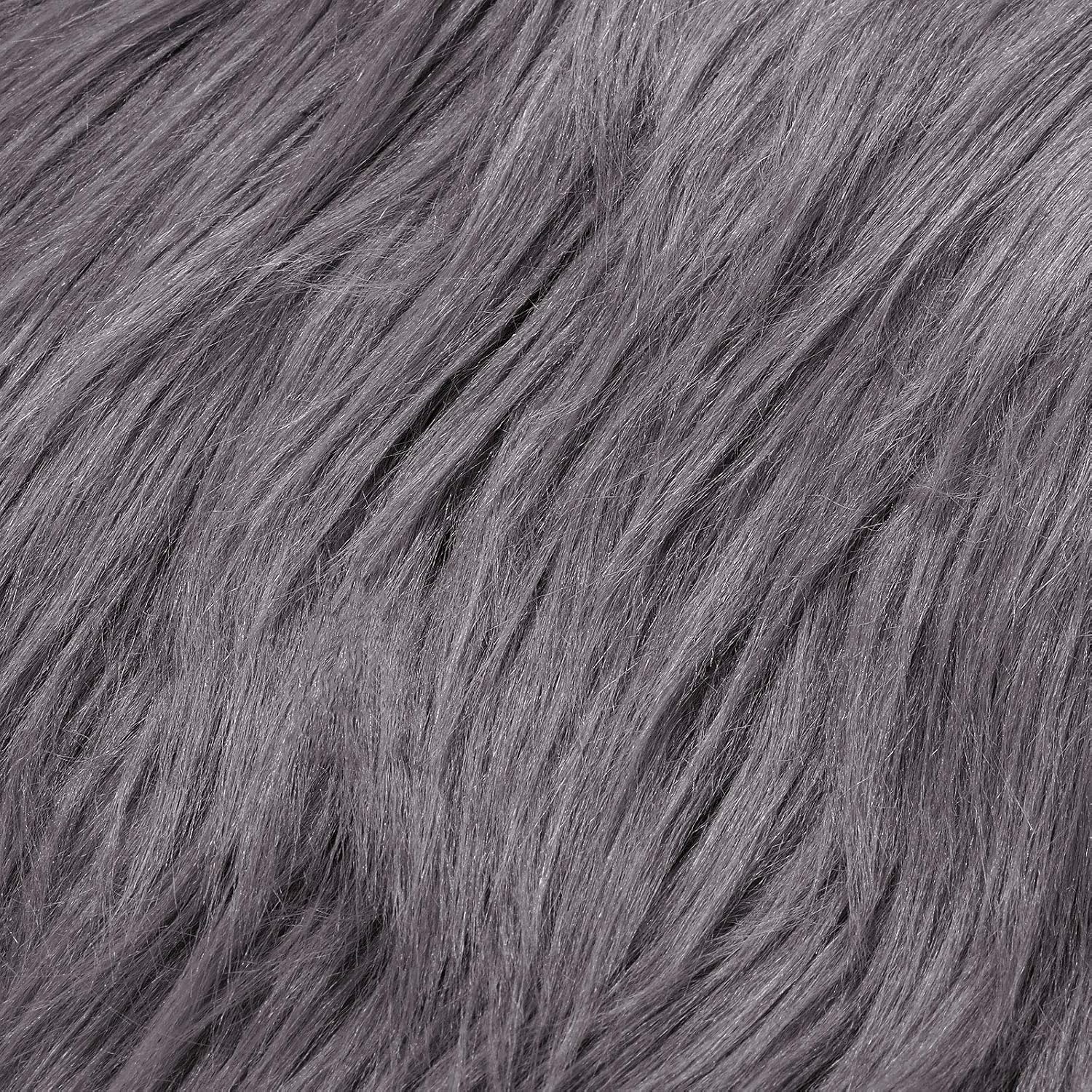
The fabric has a pile construction. Its raised surface creates the soft, fluffy appearance described in the product details.
That texture also affects how you work. The visible fibers can reach beyond the edge of the backing, so it helps to measure from the backing rather than from the outer tips of the fur. A neat-looking edge is not always the same as an accurate pattern edge.
The exact fiber blend, backing composition, and pile length are not stated. If your project depends on a particular fiber or measured thickness, ask for that information before ordering. Appearance alone cannot confirm how a fabric will behave in a demanding use.
Know what the pack can cover
Each of the four craft fur squares is 10 x 10 inches. They arrive as separate pieces, not one continuous panel. That matters when planning a project with a large front, a long border, or matching sections.
Start with a paper pattern. Include the space you need for seams, folded edges, or attachment points. Place it inside a 10 x 10 inch outline and check that every part fits. Do this before relying on the visible size of a finished decoration.
Joining squares can create a larger piece, but it changes the design. Seams use some of the available fabric, and the joins may show. The pile may also lie differently on neighboring sections. Treat a joined surface as a patchwork choice rather than an invisible way to gain yardage.
Decide whether mixed colors help your design
The pack contains khaki, white, black, and gray. This is useful when you want different accents or want to compare colors against materials you already have. It is less useful when your whole project needs a single shade.
Lay each square beside your base fabric, thread, and any trim before cutting. Look at them in the light where the finished item will usually sit. A color can seem lighter or darker as the pile changes direction.
Mixed color fur squares also invite a planned contrast. You might use a dark patch on a pale backing, or separate colors for different costume details. Keep the shapes simple if you want the texture to be the main feature.
Do not assume the pack will supply enough of one color for repeated large parts. Sketch the layout for each color separately.
Choose projects that suit the size
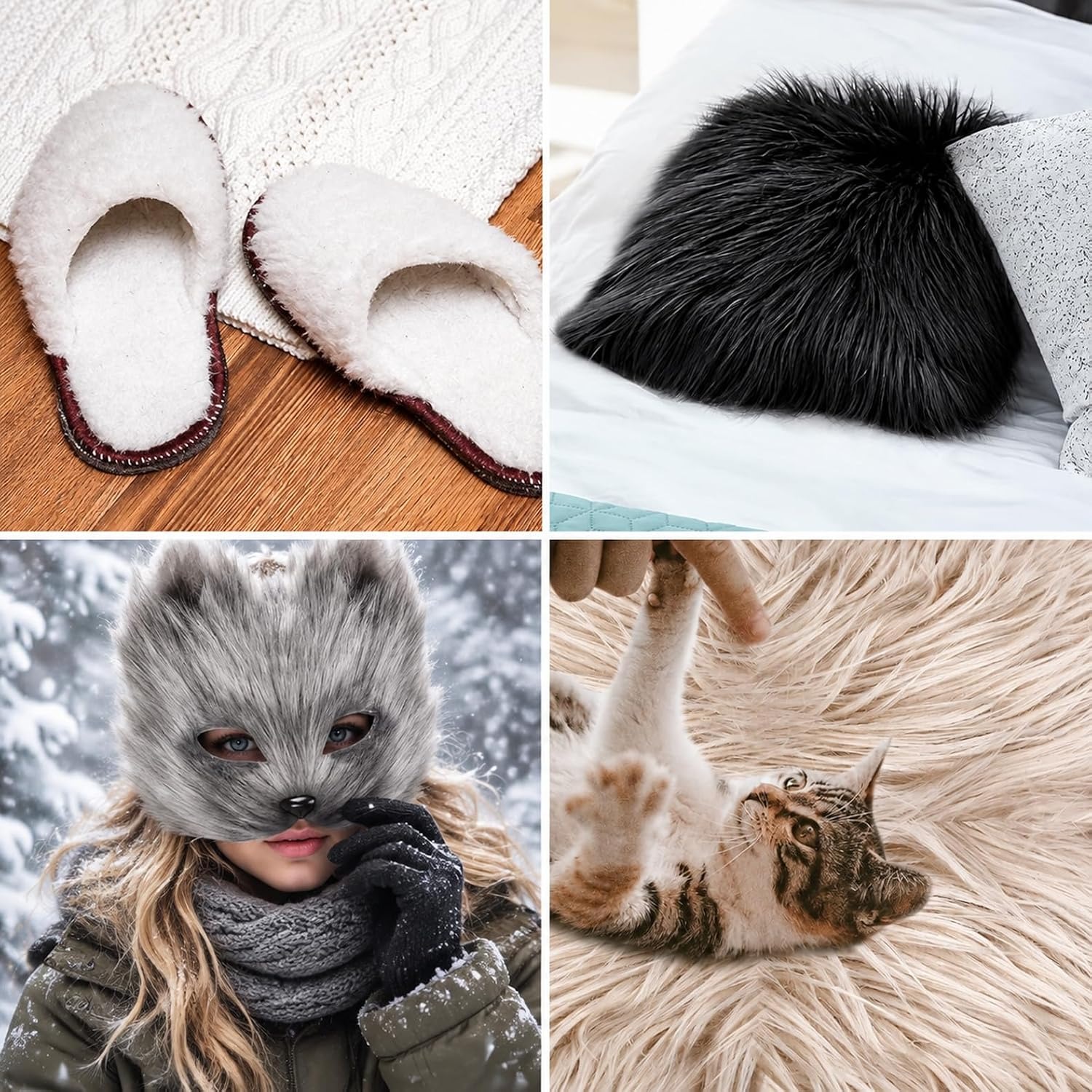
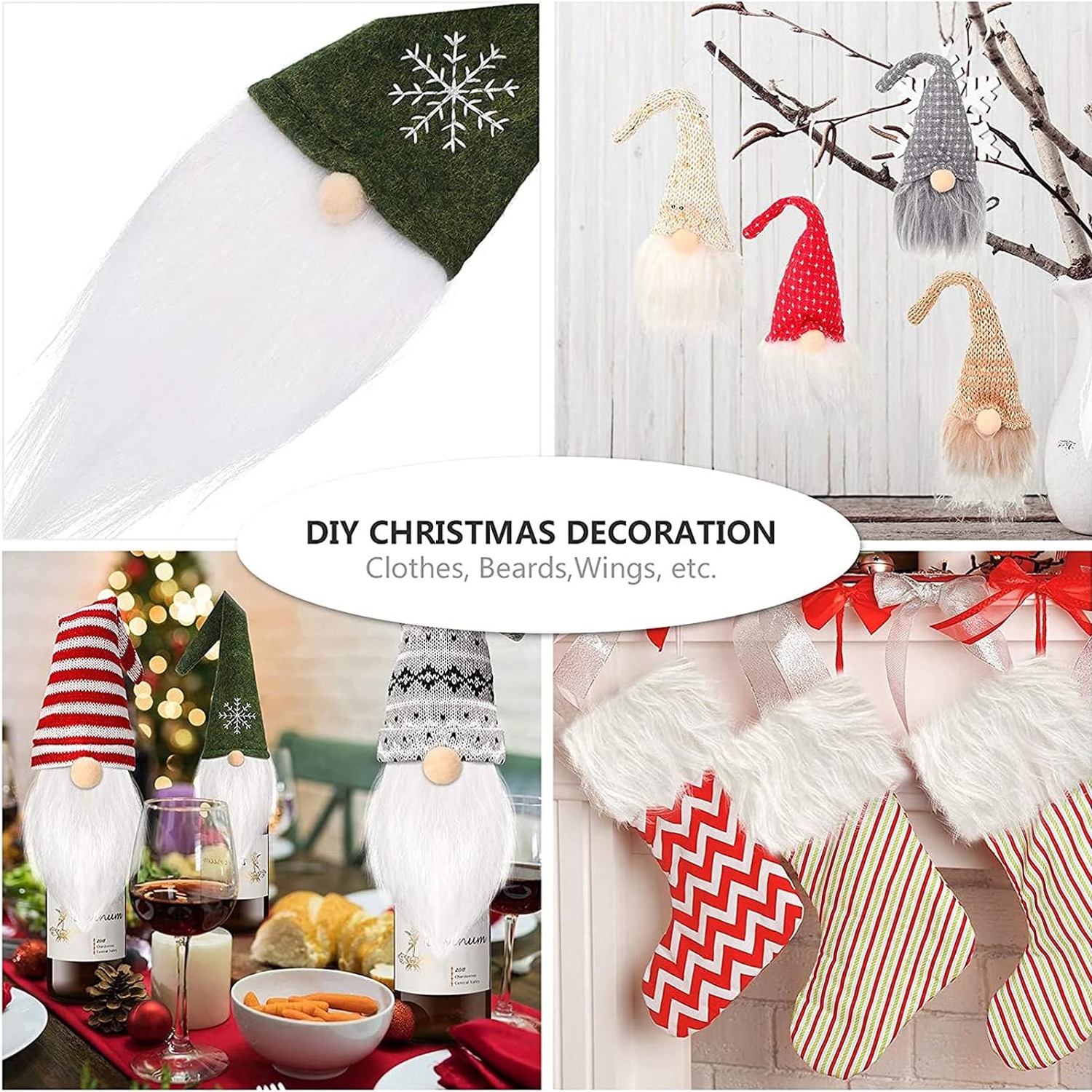
Small sewing projects are the natural starting point for this format. Decorative patches, short trim sections, and compact handmade accents let you use the texture without needing a broad panel.
For faux fur costume trim, measure the full route of the trim first. A neckline or long sleeve edge can need more fabric than it seems. Decide where joins could sit, and whether a change in pile direction would distract from the design.
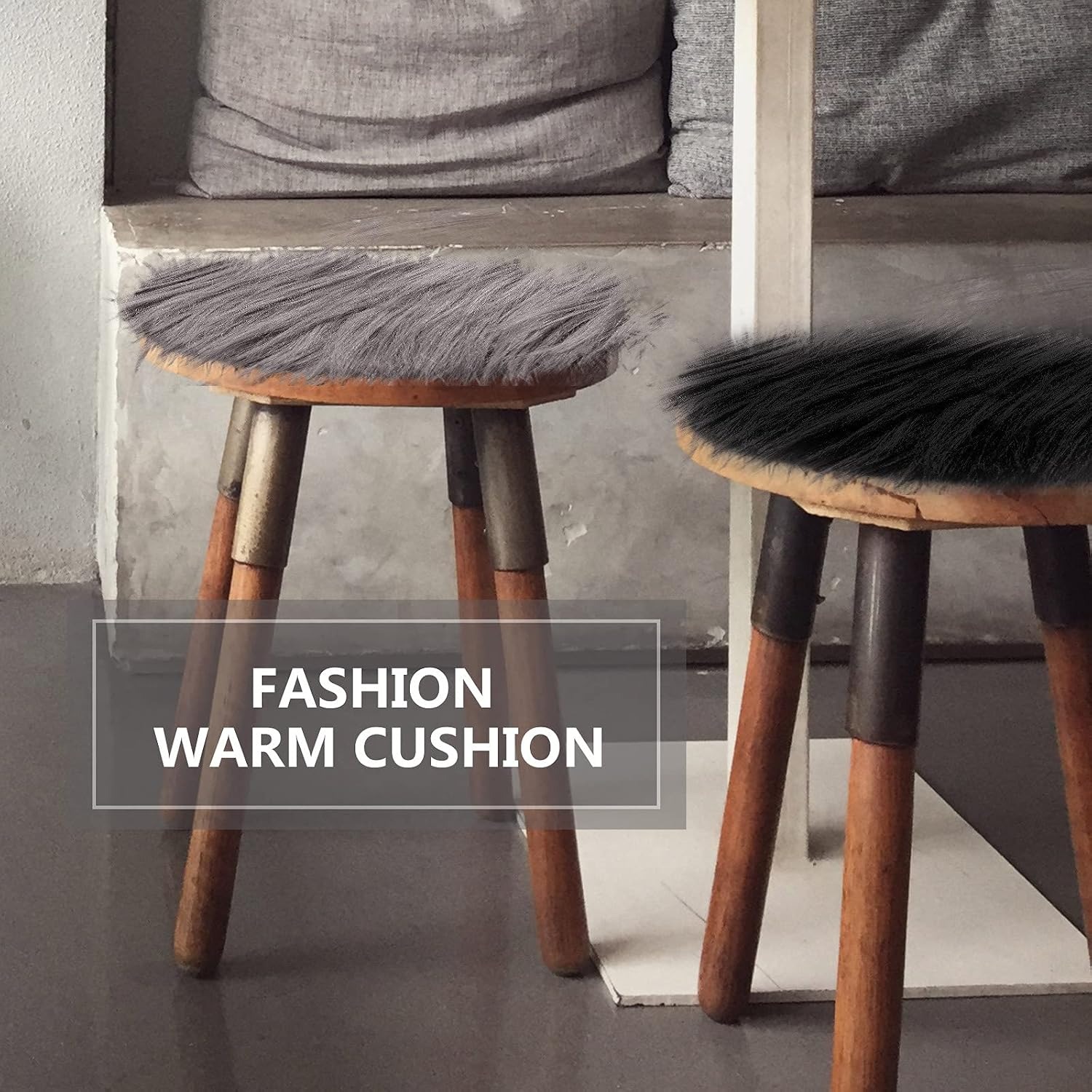
Cushion details are another option. A small front patch or decorative section is more realistic than assuming one square will cover a chair cushion. Measure the actual cushion and plan both sides if you intend to make a complete cover.
The same thinking applies to faux fur home decor. Use the squares as material for accents, not as finished household items. They do not include filling, a closure, or a ready-made cover.
Plan the pile direction before cutting
Run your hand lightly over the surface and notice how the fibers lie. The fabric may look smoother in one direction and fuller in another. Turn the square and compare the effect before deciding which way your pattern should face.
For paired shapes, mark a direction arrow on each paper pattern. That simple step helps keep both parts consistent. It is especially useful when a finished pair will sit side by side.
Place all pattern pieces before cutting any of them. Leave enough room for seams and avoid putting an important shape too close to an edge. Once you cut, you cannot recover the original square size.
If your design allows it, reserve a small offcut for testing. A trial seam gives you a chance to check your method without risking a main piece.
Cut and join with care
Mark your cutting line on the back where you can see it clearly. Work slowly, keeping the long surface fibers away from the cutting line where possible. This can help preserve the shaggy edge instead of giving every fiber a blunt cut.
Loose fibers may appear around freshly cut areas. Gather them from the workspace before moving on to the next stage. Do not take a tidy factory edge as a promise that every new cut will behave the same way.
When sewing, test your chosen needle, thread, and stitch on an offcut. The maker does not state a required needle size or stitch setting. Choose a method based on the fabric in hand and the other materials in your project.
If you plan to use adhesive, test it too. The maker does not confirm glue compatibility, and an adhesive can affect appearance or flexibility.
Think about the finished use
A decorative item and an item that gets daily wear have different needs. A costume detail may need secure attachment through repeated movement. A cushion accent may need to tolerate handling and fit the care routine of its base fabric.
The maker does not provide abrasion results, fire-resistance information, or toy-safety testing. Avoid treating a general craft fabric as if those qualities have been confirmed. For a project with safety requirements, choose materials with the relevant supporting details.
If children will help with a craft, an adult should decide which tools and steps are suitable. The product does not have a stated age rating. Scissors, needles, adhesives, and small added decorations each need their own care.
Artificial fur fabric describes the material type here. It does not tell you every property needed for every possible use.
Keep cleaning simple and gentle
The listed care instruction is hand wash only. Use that as your starting point, even if you have washed other faux fur materials by machine before. Similar-looking fabrics can have different care needs.
Follow any label included with the pieces. Handle gently, avoid hard rubbing or wringing, and allow the fabric to air dry away from direct heat. Ironing and tumble-drying settings are not given by the maker, so do not guess at a heat level.
Think about cleaning before assembly. A washable fabric does not make every glued decoration or backing washable. The care needs of the completed item depend on all its parts.
Keep leftover fluffy fabric squares and offcuts clean and dry. Avoid packing them beneath heavy supplies that press down on the pile. Save useful remnants for small details or future test seams.
Check your order before starting
When the pack arrives, check the quantity, colors, and dimensions before using it. Compare each piece with your pattern while it is still uncut. This is the simplest time to spot a mismatch between the material and your plan.
Delivery timing is not stated by the maker. If you need the fabric for a dated event or gift, check the delivery information when ordering rather than building your schedule around an assumed arrival date.
Returns are available within 14 days of delivery for fabric that is unwashed, uncut, unused, and in its original packaging. Return postage is paid by the customer. Keep the packaging until you have made your decision.
If goods are faulty or wrongly described, they are put right free of charge. Contact us with the order details and explain the problem before changing the fabric.
The short version
Choose this pack when your project needs small pieces of soft, shaggy fabric in mixed neutral colors. You get four 10 x 10 inch squares for cutting, sewing, and joining, with khaki, white, black, and gray included.
Measure first, allow for seams, and check pile direction before cutting. Plan for hand washing and avoid assuming properties that are not stated. With the size and care needs settled, you can focus on the part that matters most: making a useful detail that fits your design.