Fabric Shop Company
Company
Shop By Category
T&Cs
Shop Online
  • Width and length on every product page
  • Free tracked USA-wide delivery over $69
  • 14-day returns

Fusible interfacing | Lightweight iron-on interfacing | Non-woven interfacing

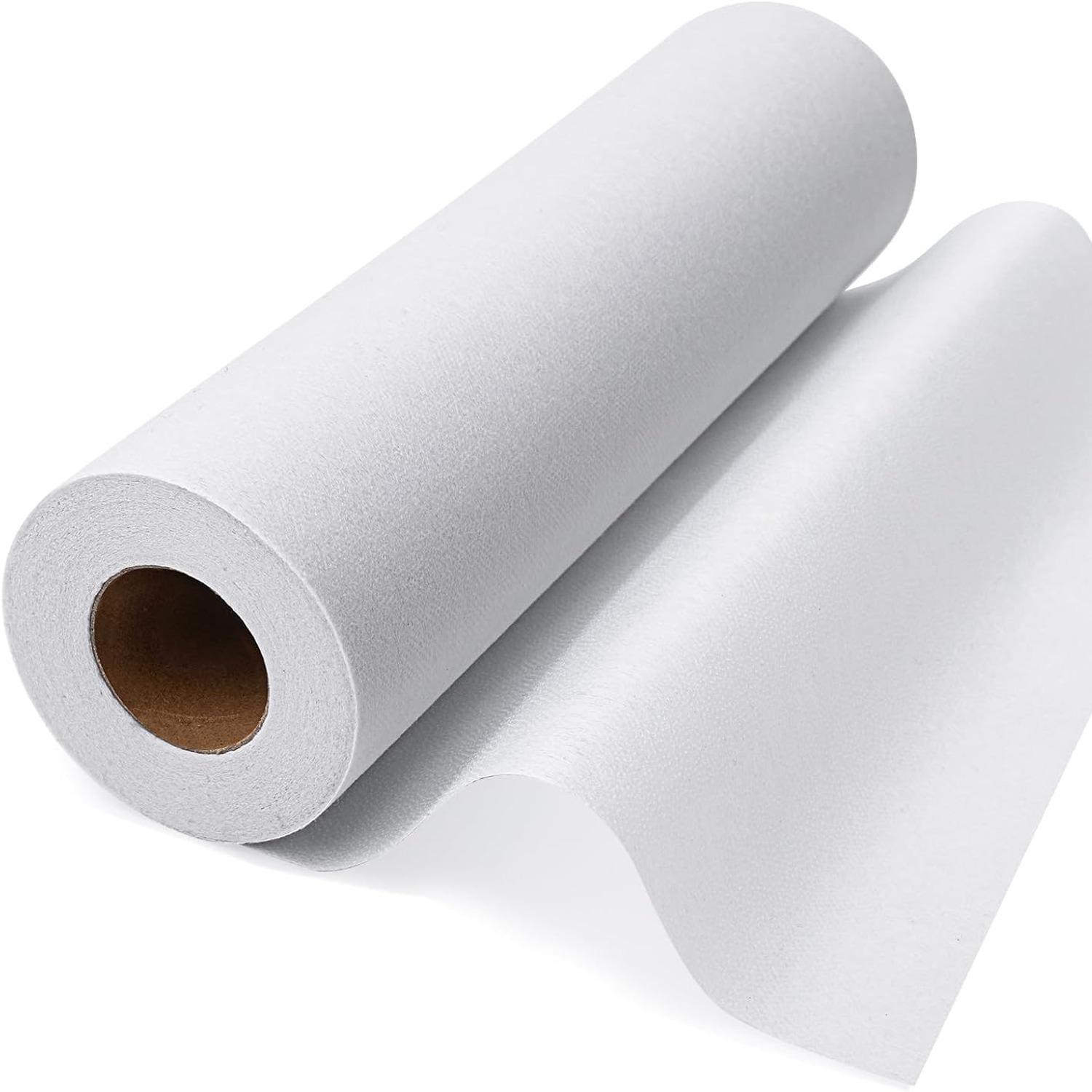
Lightweight Fusible Interfacing 30-Yard Roll

$16.99 $19.99 Save $3

What you get

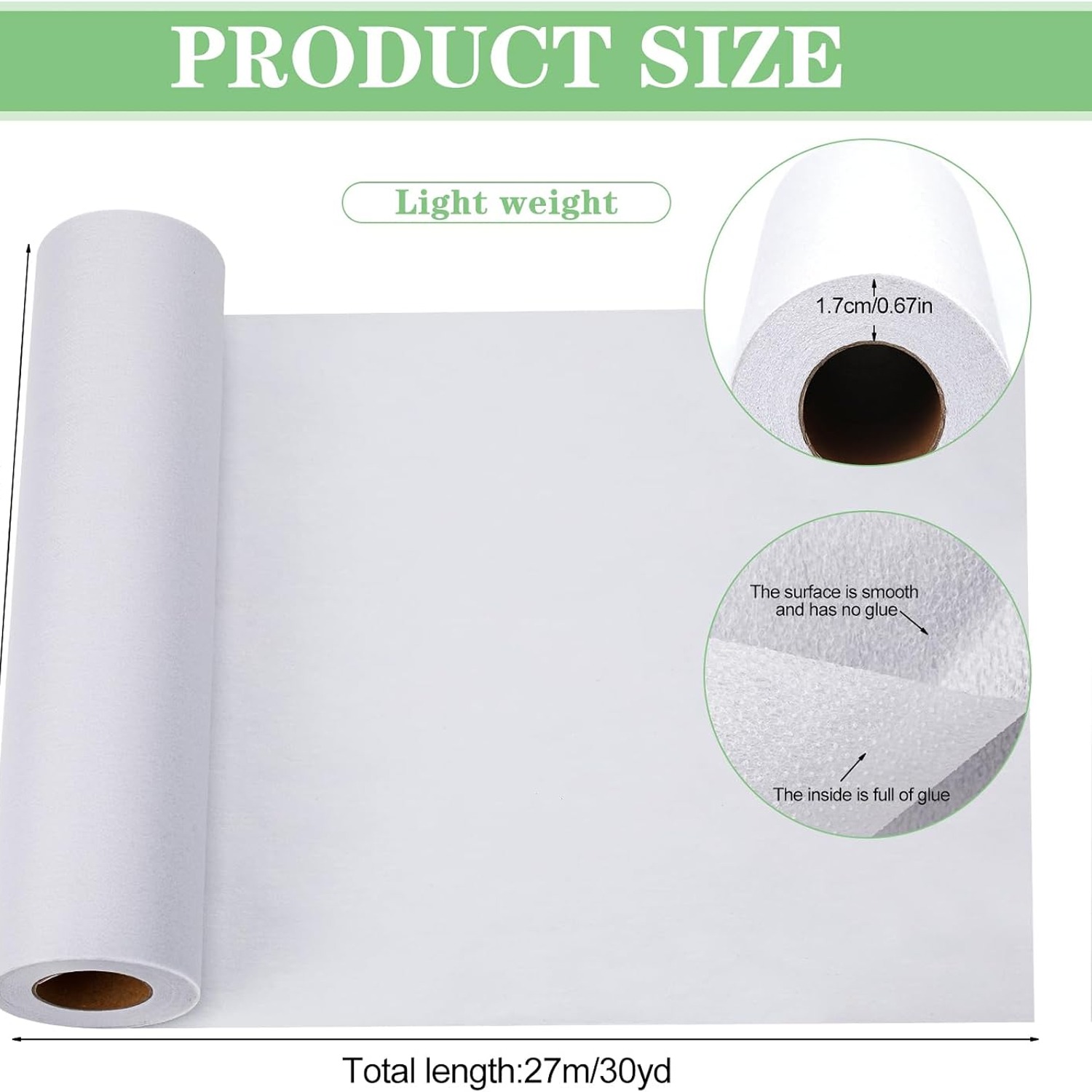
One roll of white lightweight iron-on interfacing, 11.6 in wide and 30 yards long.

The price is for this item as described. We do not cut fabric to order. If you order more than one, you receive separate items, not one continuous length.

  • Long Roll Format
  • Shape As Needed
  • Single-Sided Bond
  • Instructions Included

Price: $16.99 $19.99

  • Free tracked USA-wide delivery on orders $69+, otherwise a flat $9.95
  • Pay by card or PayPal, handled by the payment provider
  • 14-day change-of-mind returns from delivery. Conditions and return postage apply. consumer protection law of your state rights are unaffected. Full returns policy
Product specifications
Sold as1 roll, 11.6 in wide x 30 yards
Product TypeLightweight fusible non-woven interfacing
Supplied AsOne roll
Roll Width11.6 inches
Roll Length30 yards
ColorWhite
AdhesiveSingle-sided, iron-activated
IncludedPrinted instructions with pictures and text
Product Dimensions11.6 x 3.93 x 3.93 inches
Item Weight11.7 ounces
Weight0.33 kg
Shipping & returns

Tracked delivery anywhere in the USA. It is free on orders of $69 or more, and a flat $9.95 below that.

If it is not right for you, send it back within 14 days of delivery, unwashed, uncut, unused and in its original packaging, and we refund the price you paid, including standard delivery. That is a voluntary policy we offer on top of your legal rights. You cover the cost of returning it unless the item is faulty.

If it arrives faulty, damaged or not as described, we put it right at no cost to you under the consumer protection law of your state and the Federal Trade Commission Act, return postage included.

Shipping details · Refunds and returns

Long Roll FormatOne 30-yard roll provides material for cutting multiple support pieces.
Shape As NeededCut the 11.6-inch-wide interfacing to match your pattern pieces.
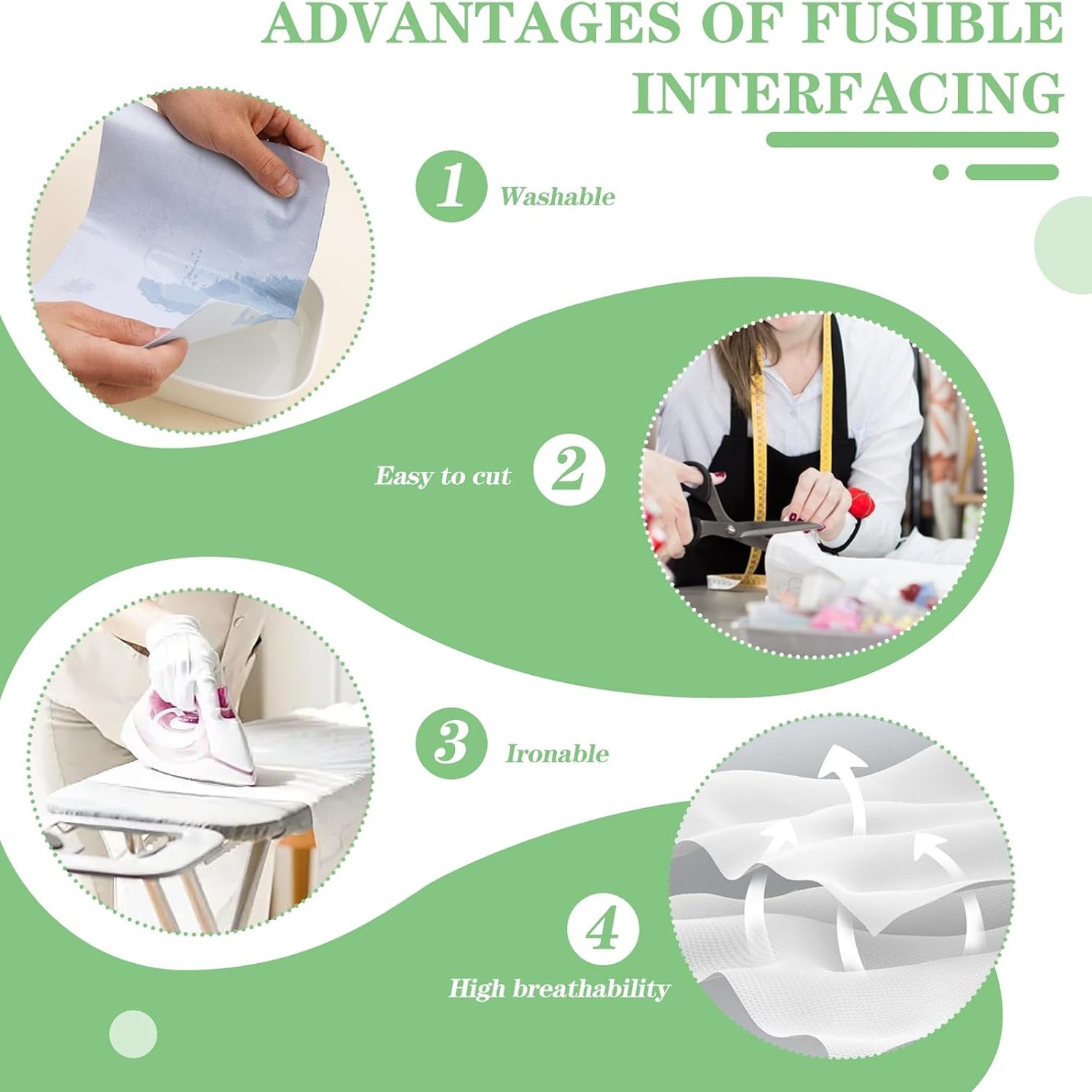
Single-Sided BondAn iron activates the adhesive on one side.
Instructions IncludedPrinted guidance with pictures helps you prepare for application.

Give your sewing projects gentle structure with lightweight fusible interfacing.

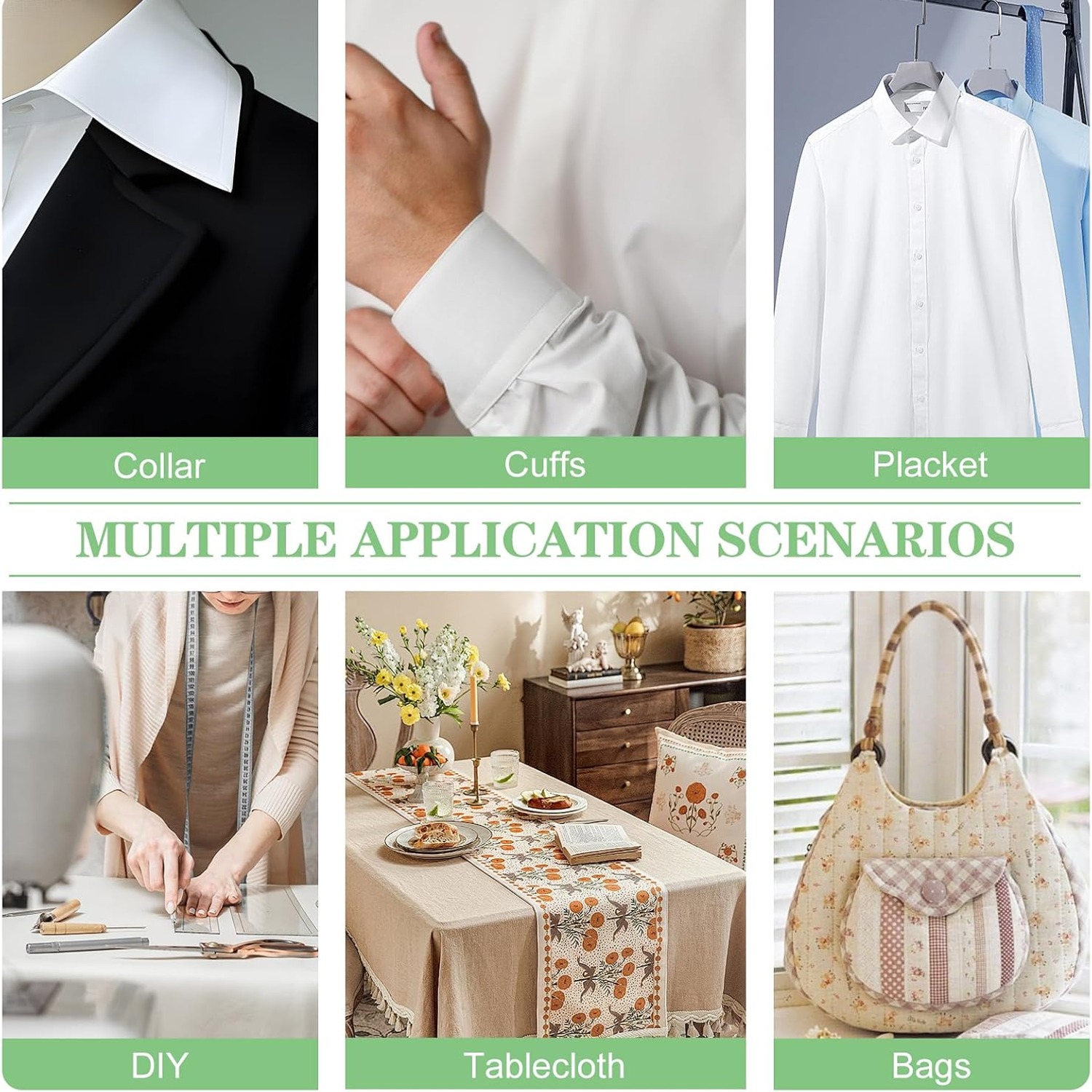
A single-sided iron-on roll lets you cut support pieces for collars, cuffs, and other areas that need extra stability.

Add light support where your sewing pattern calls for fusible interfacing.

Cut individual pieces from one roll measuring 11.6 inches wide and 30 yards long.

Use the single-sided adhesive to attach the interfacing with an iron.

Choose white interfacing for projects using light-colored fabrics, subject to a scrap test.

Refer to the included illustrated instructions before starting your project.

Lightweight Fusible Interfacing 30-Yard Roll

This lightweight fusible interfacing adds support to selected areas of a sewing project. Its non-woven format and single-sided adhesive make it an option for patterns that call for light iron-on reinforcement, including collars and cuffs.

Lightweight Fusible Interfacing 30-Yard Roll

You receive one white roll measuring 11.6 inches wide and 30 yards long. Cut the shapes you need at home using your pattern as a guide. The roll is

Lightweight Fusible Interfacing 30-Yard Roll

Heat from an iron activates the adhesive. Printed instructions with pictures and text are included in the roll, so check those directions before pressing. Test on an offcut first to judge the bond and the feel of your fabric.

Lightweight Fusible Interfacing 30-Yard Roll

White interfacing is worth considering for light-colored fabric, but the result still depends on opacity and texture. Check a sample in good light before committing to the full project, especially with fine or sheer material.

Lightweight Fusible Interfacing 30-Yard Roll

Choose this roll when you need light structure rather than padded volume. Fiber composition, exact pressing settings, and a wash-temperature limit are not specified by the maker, so refer to the enclosed guidance and your fabric's care requirements.

Not sure yet? That is fine.

Fabric has to suit the project you bought it for, and you cannot always judge color, weight and feel from a photograph. If it is not right for you, send it back within 14 days of delivery, unwashed, uncut, unused and in its original packaging, and we refund the price you paid, including standard delivery. That is on top of your rights under the consumer protection law of your state if anything arrives faulty.

If it turns up faulty, damaged or not as described, that is on us. The consumer protection law of your state and the Federal Trade Commission Act cover you, and we pay the return postage. Read the full detail on our refunds and returns page, or ask us anything before you order.

Frequently Asked Questions

What is this product?

It is lightweight fusible non-woven interfacing for sewing. You receive one white roll with iron-activated adhesive on one side.

What does fusible interfacing do?

It adds support to areas of fabric that need more structure. This lightweight version is intended for light reinforcement rather than padding.

How large is the roll?

One roll of white lightweight iron-on interfacing, 11.6 in wide and 30 yards long. The price is for this item as described. We do not cut fabric to order, and ordering more than one gives you separate items, not one continuous length.

How many rolls are included?

One roll is included. Printed instructions are supplied inside the roll.

No, it is supplied as a fixed 30-yard interfacing roll. You cut the pieces you need after receiving it.

What color is the interfacing?

The supplied roll is described as white. Test it behind your chosen fabric to check whether it shows through.

What is the fiber content?

The maker does not state the fiber composition in the maker's description. Non-woven describes its construction, not a specific fiber.

Does it have adhesive on both sides?

No, this is single-sided interfacing. It is not described as a double-sided bonding web.

How do I attach it?

An iron activates the adhesive so it can bond to the fabric. Follow the enclosed instructions and test a scrap before pressing your final pieces.

What iron temperature should I use?

The maker does not state a temperature in the maker's description. Use the enclosed guidance and check that your fabric can tolerate the required heat.

Should I use steam?

A steam setting is not specified by the maker. Read the included instructions rather than assuming steam is required.

Are instructions included?

Yes, printed instructions with pictures and text are included in the roll. Read them before cutting or applying the interfacing.

Can I use it as interfacing for collars?

Collars are one of the suggested uses. Check your pattern's required weight and test the finished feel on a scrap first.

Is it suitable as interfacing for cuffs?

Cuffs are also a suggested use. The support needed depends on the fabric and how firm you want the cuff to feel.

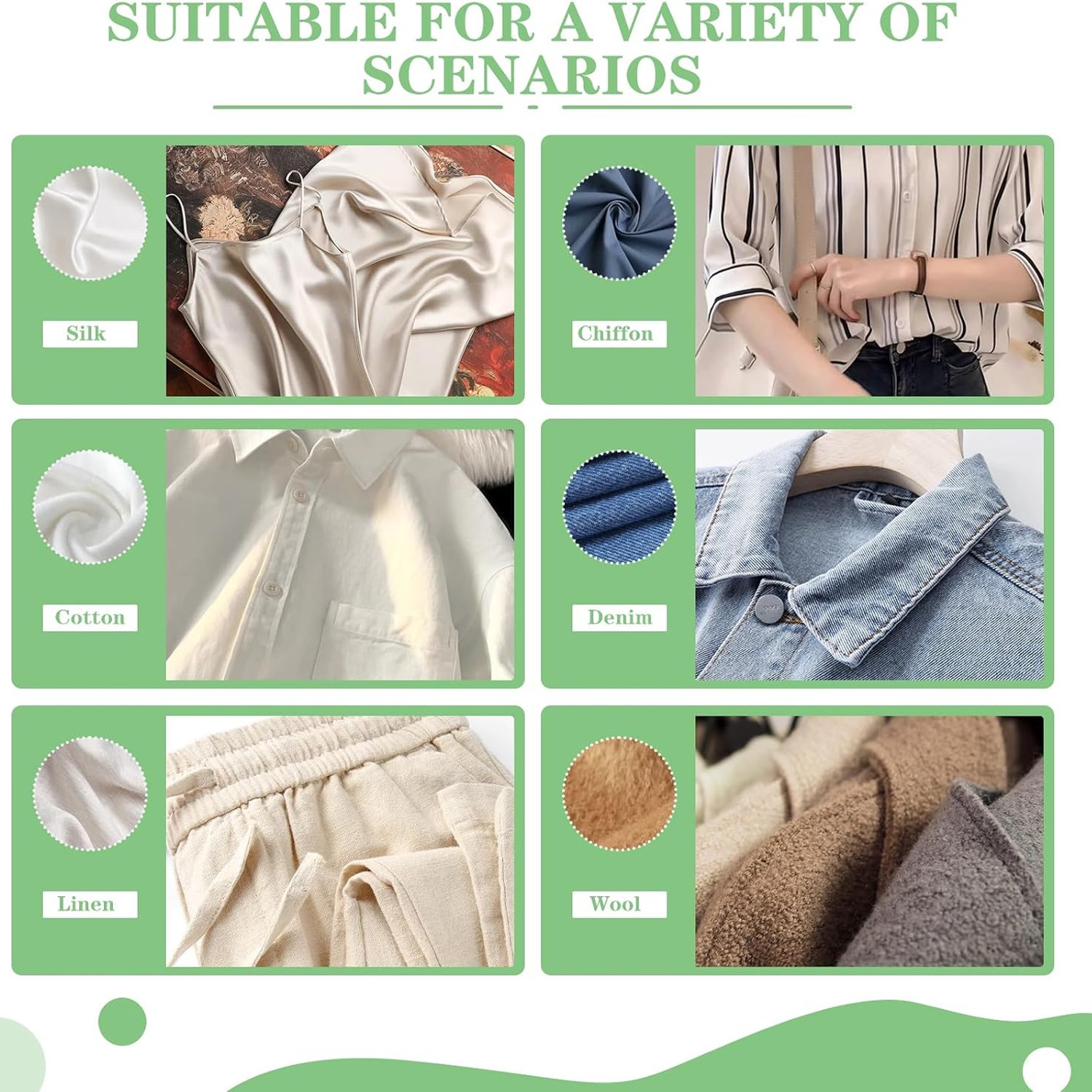
Can I use it on silk?

The maker describes use with fabrics including silk, but suitability depends on the individual fabric. Test a hidden offcut for heat response, appearance, and feel.

Can I use it on denim?

Denim is among the fabrics mentioned by the maker. Lightweight support may not give the firmness needed for every denim project, so follow your pattern and sample first.

Is it useful for light-colored fabric?

White interfacing can be a useful option for light-colored fabrics. Check for show-through, especially with thin or sheer cloth.

Is it suitable for stretch fabric?

Stretch performance is not specified by the maker. Do not assume this non-woven iron-on interfacing will preserve the stretch your garment needs.

Can I use it instead of wadding?

This is garment interfacing rather than a stated padding product. If your project needs loft or cushioning, choose material specified for that purpose.

Can I cut it into small shapes?

Yes, it is intended to be trimmed to the shapes needed for your project. Check the pattern layout against the 11.6-inch roll width before cutting.

Does it work on fabric of any width?

One roll of white lightweight iron-on interfacing, 11.6 in wide and 30 yards long.

Will it make my fabric stiff?

It is described as lightweight, but the finished feel depends on the base fabric. A small bonded sample is the most useful way to judge the added structure.

Can the finished item be washed?

The maker describes resistance to repeated washing, but no wash temperature or cycle is specified here. Follow the enclosed guidance and the care needs of the finished item.

How should I store the unused roll?

Keep it clean and dry, away from direct heat. Retain the instructions so they are available for your next project.

What are the listed product dimensions and weight?

One roll of white lightweight iron-on interfacing, 11.6 in wide and 30 yards long.

Is this suitable for a beginner?

Included illustrated instructions can help someone new to sewing interfacing. Start with a scrap test and a simple pattern rather than learning on the final garment pieces.

Could I give this as a sewing gift?

It may suit someone whose patterns call for lightweight fusible interfacing. Check that the roll width and support level match the kinds of projects they make.

How long will delivery take?

We dispatch within 2 working days, and delivery then takes up to 7 working days by tracked courier, with tracking details sent by email. Delivery is free on orders of $69 or more and $9.95 below that. We deliver within the USA only.

What are the return conditions?

You can return it within 14 days of delivery if the fabric is unwashed, uncut, unused and in its original packaging; return postage is yours to pay. If it arrives faulty, damaged or not as described, we put it right at no cost to you under the consumer protection law of your state.

What if it is not right for my project?

You can return it within 14 days of delivery if the fabric is unwashed, uncut, unused and in its original packaging; return postage is yours to pay. If it arrives faulty, damaged or not as described, we put it right at no cost to you under the consumer protection law of your state.

A Practical Guide to Choosing Lightweight Fusible Interfacing

6 min read Fabric Shop Company

When fabric needs a little more support

A collar can look neat on the cutting table but feel too soft once it is sewn. A cuff may need more body than the main fabric can provide on its own. These are common reasons a sewing pattern calls for interfacing.

Lightweight fusible interfacing adds support to chosen areas without asking you to change the whole garment fabric. The aim is to help a detail hold its intended shape while keeping the finished feel suited to the project.

This product is one roll of white non-woven interfacing, 11.6 inches wide and 30 yards long. It has adhesive on one side, activated with an iron. You cut your own pieces from the roll. Before buying, the useful questions are whether your fabric accepts heat, whether the support is right, and whether your pattern pieces fit the width.

How the iron-on bond works

Fusible interfacing uses heat to attach its adhesive side to the fabric. That makes pressing part of the construction process, not just a final tidy-up. A sound result depends on matching the application method to both the interfacing and the base fabric.

The roll includes printed instructions with pictures and text. Read those before you start. The maker does not state an iron temperature, pressing time, or steam setting, so there is no reliable universal setting to give here.

Identify the adhesive side using the enclosed guidance. Keep adhesive away from your iron and work surface. Start on an offcut rather than the final pattern piece, and follow any instructions about cooling before you handle the sample.

An iron-on fabric stabilizer is only useful if the fabric can tolerate its application. If the cloth has a restrictive care label or an uncertain response to heat, settle that question before working on the garment.

Decide how much structure you need

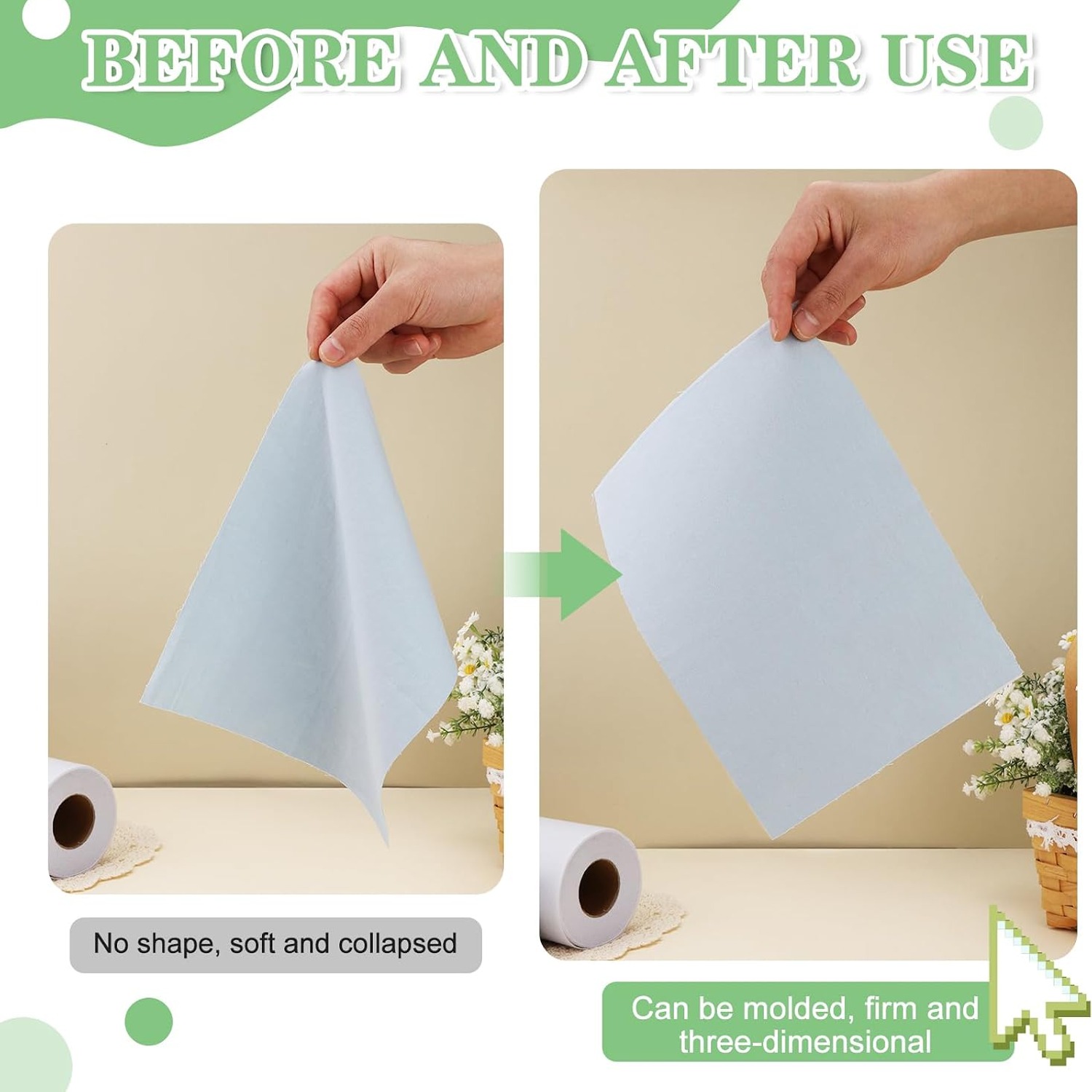
Lightweight describes the support level, but it does not tell you exactly how every fabric will feel after bonding. A fine cloth may show a clear change. A heavier cloth may feel only slightly different.

Look at your pattern first. If it calls for lightweight fusible support, this is the type of product to consider. If it calls for a firm layer, padding, or a material designed to stretch, do not treat those as interchangeable needs.

Garment interfacing should suit the detail as well as the fabric. A soft collar and a sharply structured collar can need different support even when made from the same cloth. Think about the finished result you want to wear.

A sample lets you make that choice by touch. Bend it, hold it upright, and compare it with the untreated fabric. You are looking for useful support, not simply the strongest possible bond or the stiffest result.

Check the width before the length

A long roll can be handy, but length alone does not decide whether it fits a project. This lightweight interfacing roll is 11.6 inches wide. Each piece you plan to cut needs to fit that usable width in a way your pattern allows.

Lay out the interfacing pattern pieces before ordering. Measure the widest sections, including any allowance the pattern requires. For small shaped pieces, a narrow roll may be practical. A large panel needs closer checking.

The 30-yard length gives you material to cut over multiple sewing sessions. It does not mean every pattern will fit, or that a set number of garments can be made from it. Yield depends on piece size, layout, and waste.

The listed product dimensions of 11.6 x 3.93 x 3.93 inches are separate from the unrolled length. Use the stated 11.6-inch width and 30-yard length when planning your cutting layout.

Choose with your actual fabric in hand

White fusible interfacing is worth considering for pale fabric, but color is only part of the decision. Fabric thickness, surface texture, and opacity all affect the result.

Hold a sample behind the cloth in good light. Check whether the interfacing changes the apparent shade or makes its edges easy to see. This matters especially for thin fabrics and details that sit on the outside of a garment.

The maker mentions fabrics ranging from silk to denim. That is not a reason to skip testing. Silk can vary greatly, and a heavy denim project may need more support than a lightweight layer provides.

Stretch fabric needs its own check. The maker does not state stretch performance, so do not assume this product will move with a knit. If stretch matters to the fit, use the requirements in your pattern to guide the choice.

Start with a useful scrap test

A good test uses an offcut from the actual project fabric. A different fabric from your scrap basket may not respond in the same way, even if it looks similar.

Cut a small piece of interfacing and apply it according to the enclosed instructions. Keep the test manageable, but large enough to see the surface and feel how it bends. Let it settle as directed before judging it.

Look at both sides. Check for changes in shine, visible edges, or an uneven surface. Then compare the feel with an untreated offcut. This helps you judge whether the added body suits your project.

If the finished item will be washed, a care test on the sample is useful too. Follow the available instructions for both materials. A trial can reveal a mismatch before you have spent time sewing the full garment.

Plan collars, cuffs, and small details

Interfacing for collars is one of the stated uses for this roll. Follow the pattern's instructions about which section receives support and how the interfacing is cut. Do not assume every collar is assembled in the same way.

The same care applies when choosing interfacing for cuffs. The number of fabric layers, the cuff shape, and your preferred feel all matter. Testing the layered fabric can give a clearer picture than touching the interfacing alone.

Keep matching pieces organized as you cut. It is easier to check their shape and placement before any adhesive is activated. A little care at this stage can prevent mixing up similar-looking sections.

This is cut-to-shape interfacing supplied as one fixed-size roll. You decide how to divide it for your pattern, using the instructions supplied with the product and your sewing project.

Know what the maker does not tell you

Non-woven iron-on interfacing describes the product type, but it does not identify the fiber composition. The maker does not state that composition in the maker's description. Country of origin is also not specified.

There is no stated fabric weight per area or precise thickness. The listed item weight should not be used to guess either. If your pattern requires a measured material weight, ask for confirmation rather than relying on the word lightweight.

Exact pressing settings and wash-temperature limits are not provided by the maker. Keep these gaps in mind if you are planning a project with strict care needs.

For many sewing decisions, a sample answers practical questions better than a label alone. Still, testing does not replace a specification when your project requires a particular material or performance standard.

Care for the project and the remaining roll

The maker describes the bond as able to withstand repeated washing. However, the maker gives no specific washing cycle or temperature. Treat that as a reason to check the enclosed guidance, not as permission to use any wash setting.

The finished item also contains your chosen fabric, thread, and other components. Their care needs still matter. Choose a care method suitable for the completed project, and test when you are unsure.

Store unused sewing interfacing somewhere clean and dry, away from direct heat. Keep the instructions with the roll so you do not have to guess the application method months later.

Save useful offcuts for small pieces, but keep them clearly identified. A scrap of unknown interfacing is less helpful if you cannot remember its application guidance or how it behaved with your fabric.

Check the order before cutting

Review the width against your pattern once more. This is a simple pause that can prevent an avoidable return problem.

Change-of-mind returns are accepted within 14 days of delivery only when the fabric is unwashed, uncut, unused, and in its original packaging. Return postage is paid by the customer. Cutting a test piece means the roll is no longer uncut, so review the product first.

Faulty or wrongly described goods are put right free of charge. A delivery lead time is not given by the maker, so check the delivery information for your destination before planning around a firm sewing deadline.

The short version

Choose this roll when your project calls for white, lightweight, single-sided fusible interfacing and your pieces fit an 11.6-inch width. You receive one 30-yard roll with printed instructions.

Check the pattern, test the actual fabric, and follow the enclosed pressing guidance. Those steps help you decide whether the support, appearance, and care requirements suit the garment you want to make.

Browse the shop

Need light support for your next project?

Check your pattern, fabric, and piece width before choosing this 11.6-inch-wide, 30-yard roll.

Ask us a question

Page summary

This product is one roll of white lightweight fusible non-woven interfacing, measuring 11.6 inches wide and 30 yards long. It has adhesive on one side that is activated with an iron. Users cut pieces from the roll to suit their sewing patterns. Suggested applications include support for collars and cuffs. Printed instructions with pictures and text are included. Listed product dimensions are 11.6 x 3.93 x 3.93 inches, and listed item weight is 11.7 ounces. Fiber composition, country of origin, exact pressing settings, and wash-temperature limits are not specified by the maker. Returns are accepted within 14 days of delivery for unwashed, uncut, unused fabric in its original packaging, with customer-paid return postage.