
The complete guide
A Practical Guide to Choosing Cotton Patchwork Squares
Start with the part of sewing you enjoy
A small patchwork project can involve a surprising amount of preparation. Before you sew a seam, you may need to choose fabric, measure it, and cut a stack of matching pieces. If you want several prints, that can also mean buying more yardage than a small project needs.
These patchwork squares give you a different starting point. The pack contains 200 pre-cut pieces in 50 printed patterns. Each square measures 4 x 4 inches (10 x 10 cm). You can begin by sorting prints and trying layouts instead of cutting every starting square yourself.
That does not remove all the planning. You still need a suitable pattern, a seam allowance, and any extra supplies your project calls for. It does give you a defined size and quantity to work around.
What is in the pack?
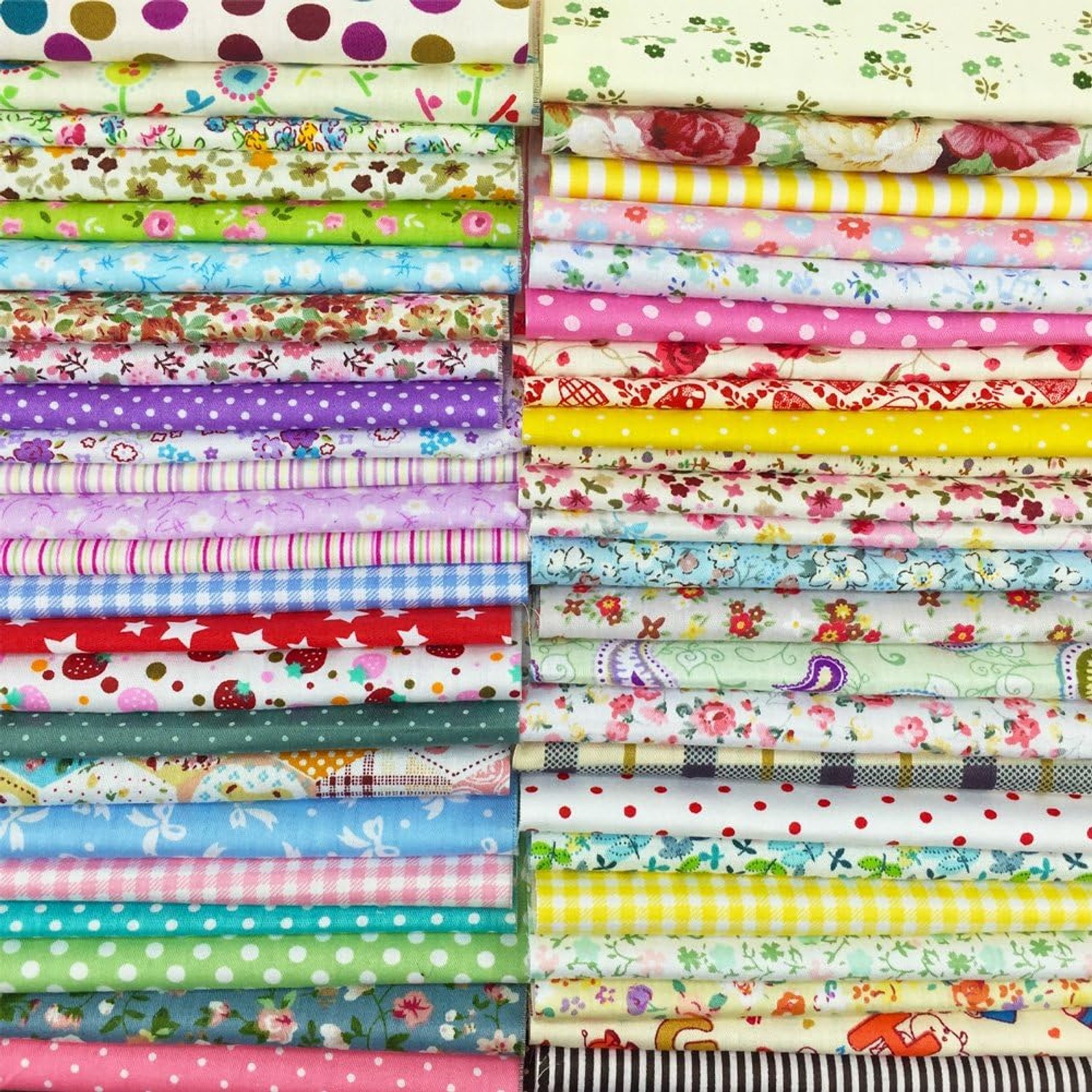
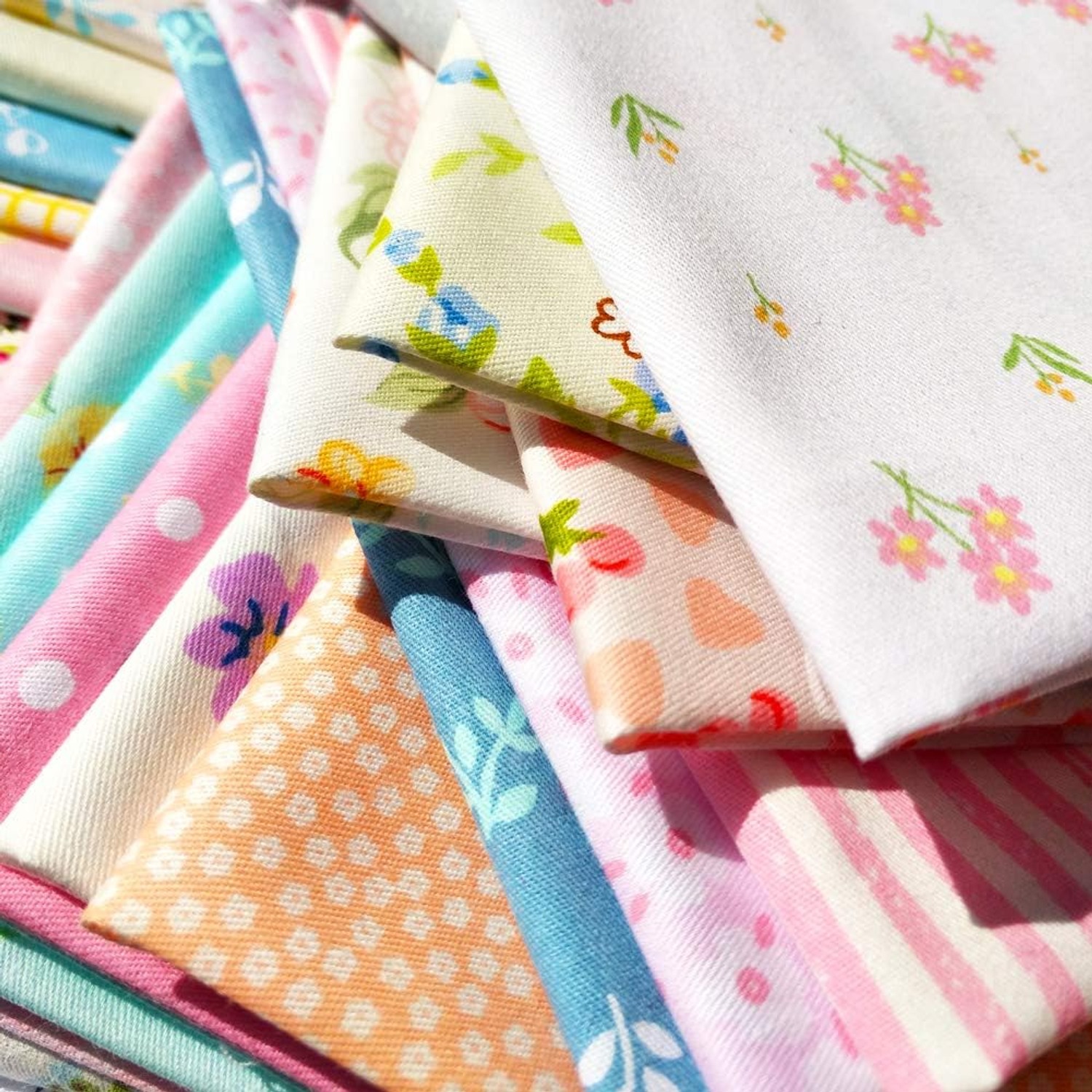
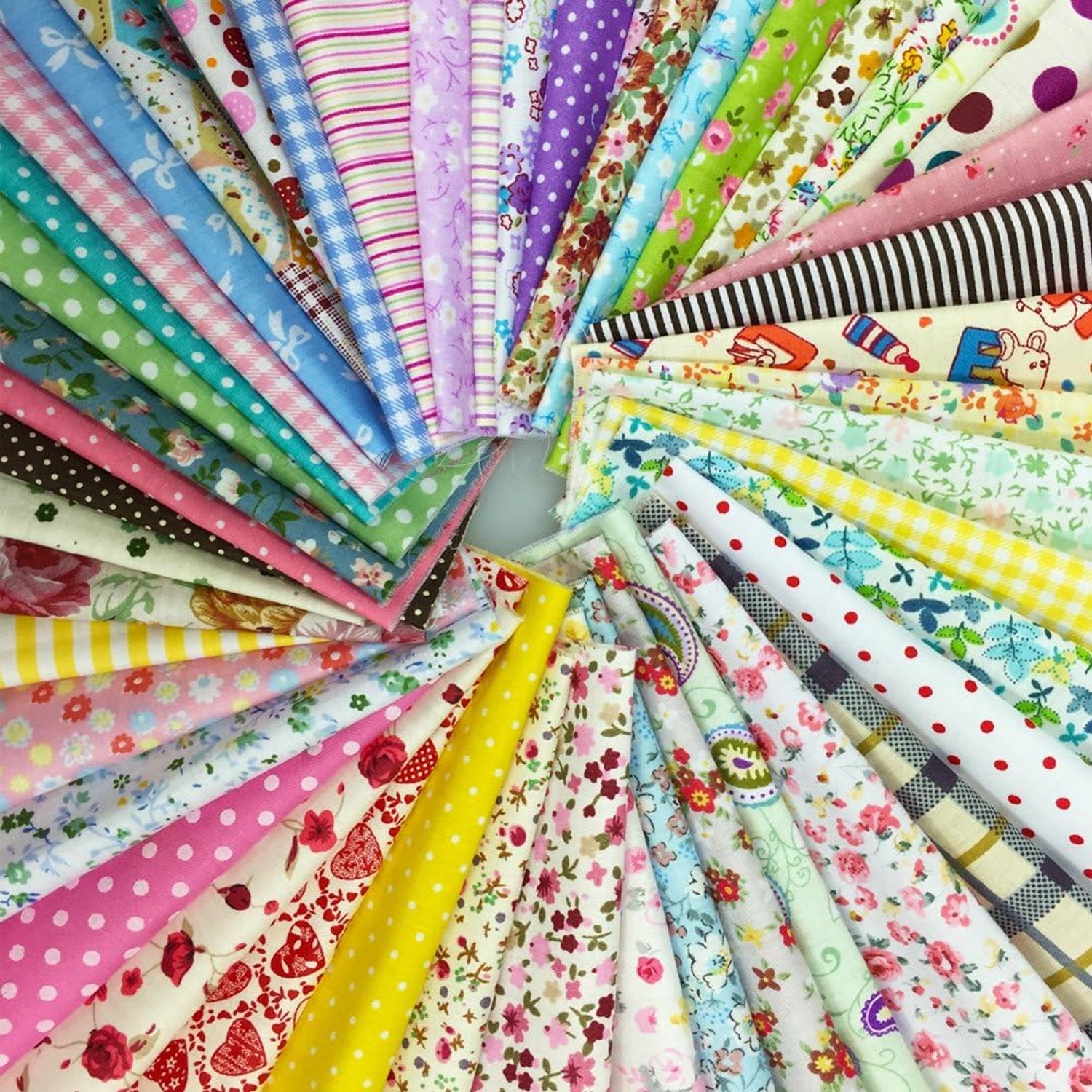
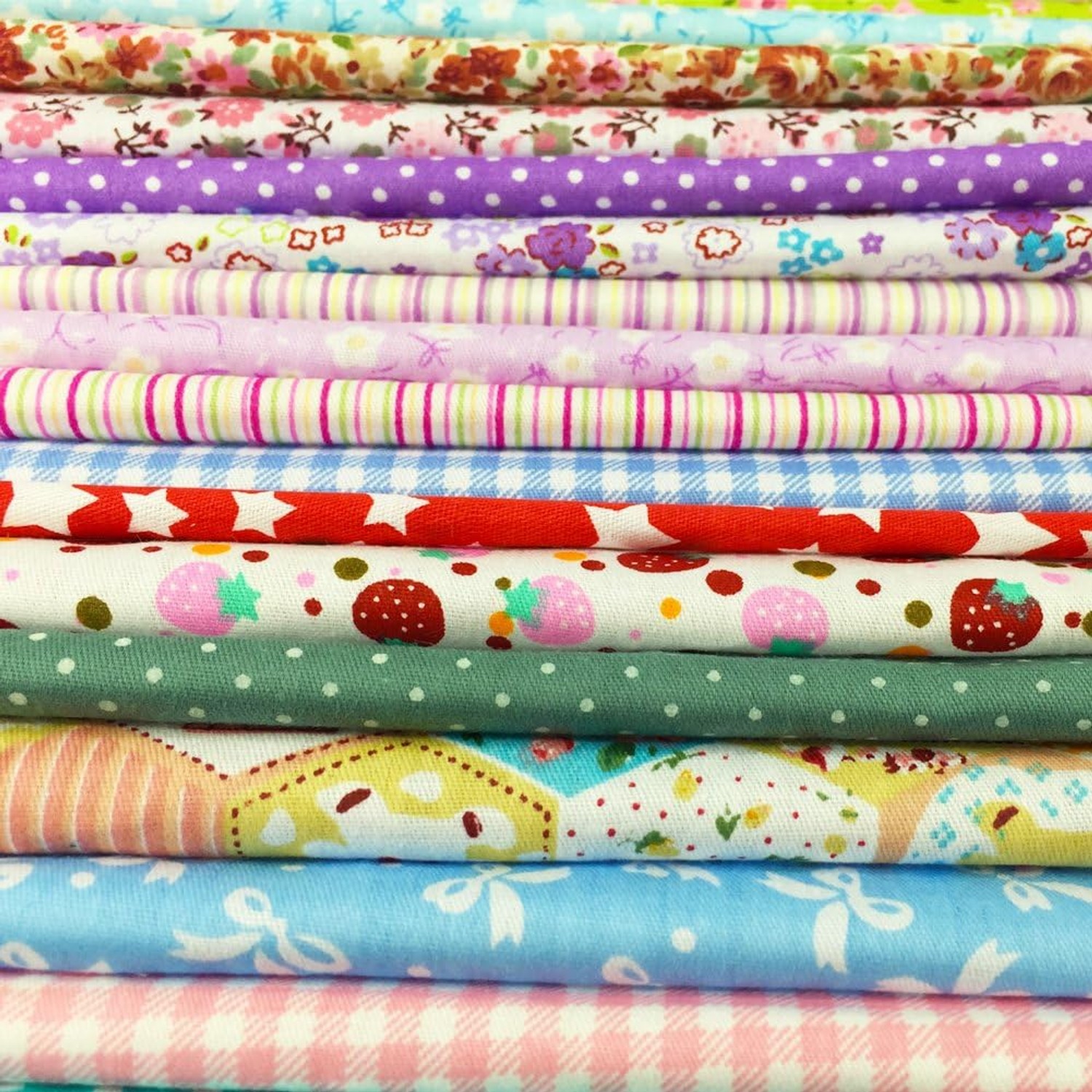
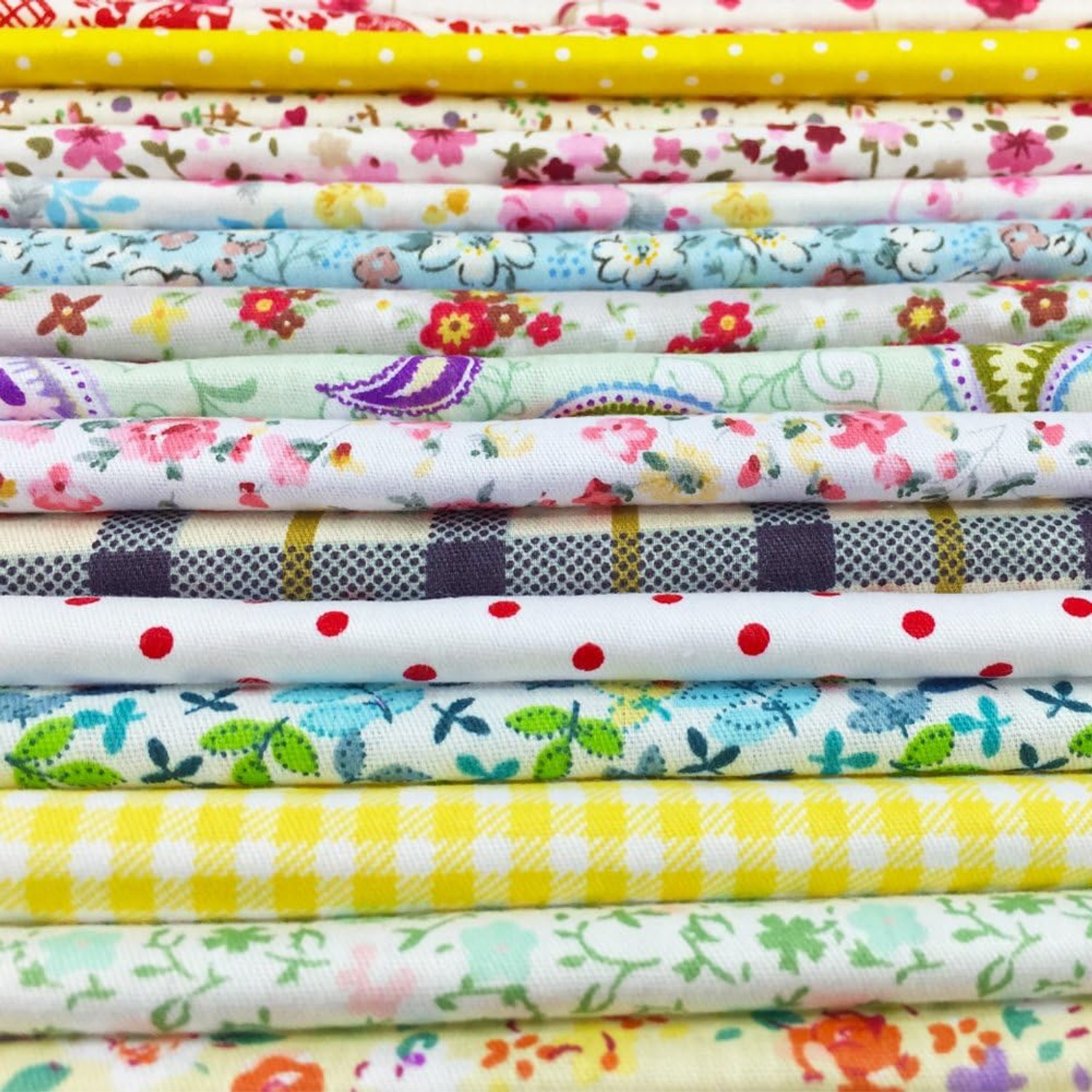
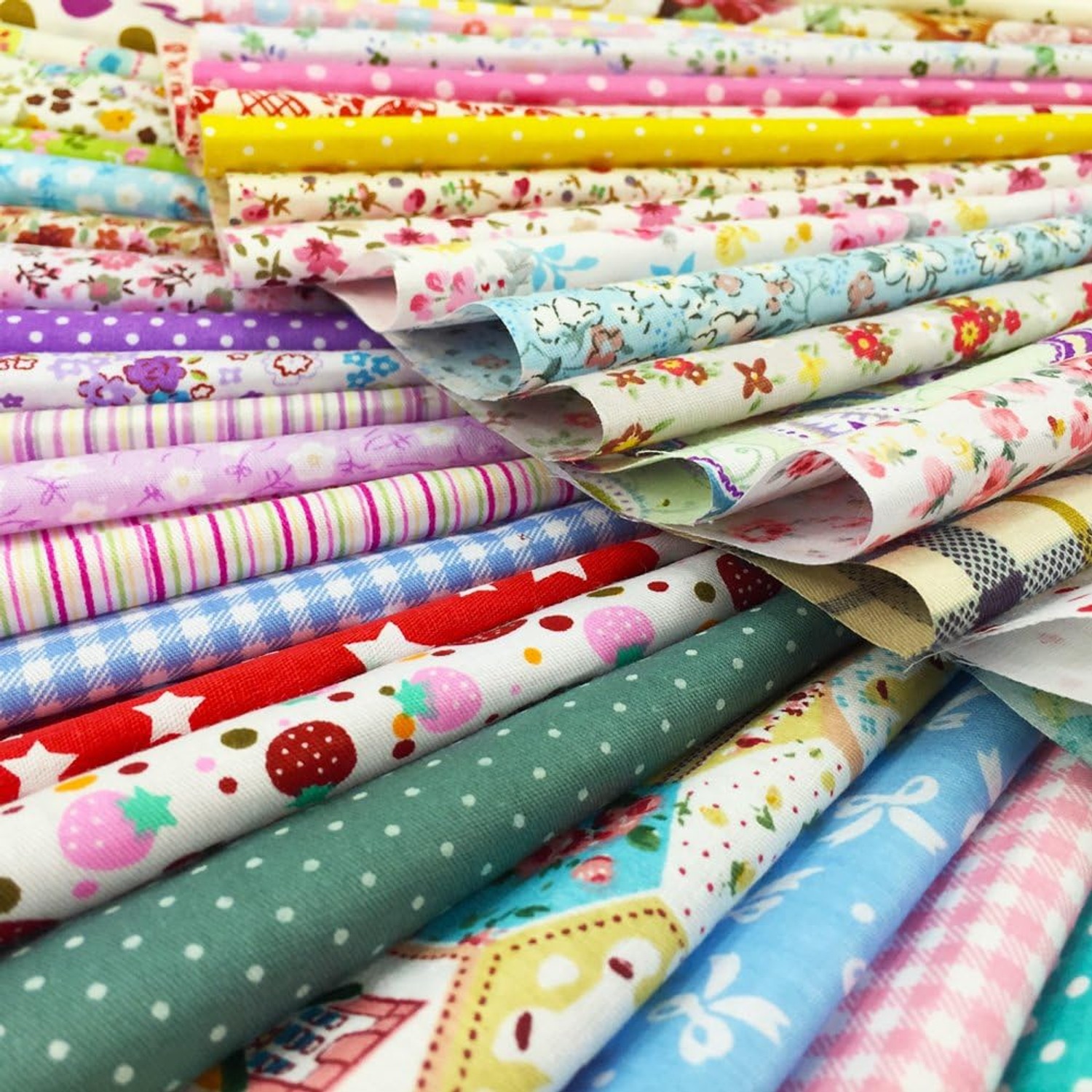
This is a bundle of 100% cotton fabric squares with a plain weave. The assortment includes various colors and print styles such as polka dots, stripes, gingham, and flowers.
The 50-pattern count gives you room to experiment with different combinations. You might group floral fabric squares together, place dots beside checks, or spread contrasting prints across a larger panel. The exact number of pieces in each pattern is not stated, so avoid planning a design that depends on a fixed number of one print before checking the pack.
These are separate squares, not continuous fabric. If your pattern needs long strips or a large unbroken panel, you will need to account for that separately.
How pre-cut squares work in patchwork
The simplest approach is to join the squares into rows, then join the rows into a panel. A repeated starting size helps you map out that panel before sewing.
The important distinction is between cut size and finished size. These are 4 inch fabric squares before sewing. Once edges are joined, part of each square sits inside the seams. That means a finished panel will be smaller than the same arrangement laid out with edges touching.
Use the seam allowance required by your pattern, and keep it consistent. Check the size of an early block before sewing a large batch.
You can also cut the squares into smaller parts. For fabric applique shapes, sketch the shape first and check that it fits inside the available piece, including any allowance your method needs.
Who this bundle may suit
This pack may suit someone who enjoys small sewing projects and wants several prints without starting with large fabric lengths. It also gives a new patchwork sewer a way to practice arranging color and joining squares.
For a more experienced sewer, the appeal may be the assortment. A quilting fabric bundle can be useful when you want a mixed-print look rather than a design built around one repeated fabric.
It is less suited to projects that require exact color matching across a large area. The maker describes various colors, but it does not provide a complete inventory of the individual prints. If your project depends on one precise shade, confirm that detail before choosing your fabric.
Choose a project before counting squares
Start with the item you want to make, rather than assuming that 200 pieces will suit any project. A small decorative panel and a bed quilt have very different needs.
Read the pattern's cutting list. Some patterns use squares of another size, while others require strips, rectangles, or triangles. Pre-cut cotton fabric squares are useful only when the starting size works with the instructions, or when you are comfortable adjusting the design.
Next, check what else is needed. This is fabric squares. It does not list backing, batting, thread, closures, or tools as included.
For a gift project, it helps to choose the pattern early. You can then check the square count and gather the other supplies before committing to a layout.
Build a layout that feels balanced
Spread out a selection of squares on a clean, dry surface. Look at color first, then at the prints. Two very different patterns may sit well together if they share a color, while similar prints can still create a strong contrast.
Try placing busy designs beside quieter ones. Striped cotton fabric can give a layout a different rhythm from flowers or scattered dots. Gingham fabric squares can add another clear pattern without needing every piece to match.
Step back and look at the whole arrangement. A layout that seems balanced up close may look darker on one side from across the room.
Take a photo before you collect the pieces for sewing. It gives you a simple reference if the order gets mixed up. Keep rows in order as you work, especially when using prints that have a clear direction.
Plan for seams, trimming, and usable area
The listed fabric area is 22.22 square feet. That is not a promise of the same area in a finished quilt or panel.
Seams use fabric, and trimming may reduce the usable size further. A design with many small joined parts generally needs more planning than a simple grid of whole squares. Work from the finished measurements in your pattern instead of treating the listed area as a finished-size guide.
It is also sensible to leave some flexibility in your design. You may decide that a certain print belongs elsewhere, or want to test a sewing method on one piece before using it across the project.
Count the pieces for your chosen layout before cutting. Keeping a few squares aside for tests can help you make decisions without changing a partly sewn panel.
Use the prints beyond a quilt top
Printed quilting squares can be used for more than rows of quilt blocks. The product information also suggests craft shapes, decorations, and costume work.
Think in terms of small components. A square may provide a decorative patch or part of a joined panel. Several pieces can be sewn together when your project needs a larger area, though the joins will remain part of the design.
For scrap style quilting, the assortment lets you try a varied look from one pack. You can keep the prints mixed or sort them into smaller groups for separate projects.
If you are making a practical item, follow a suitable pattern. The fabric itself does not establish the finished item's strength, care needs, or suitability for a particular use.
Check the fabric before washing or cutting
Open and inspect the pack before you begin.
This is also the time to consider returns. Once you wash, cut, or use the fabric, it no longer meets the stated change-of-mind return conditions. Keep the packaging while you make your decision.
If the fabric is right for the project, read any care information supplied with it. Machine washing is listed as suitable, but the maker does not specify wash temperature, drying method, or shrinkage.
Test a small piece before treating the full pack or combining it with fabric you already own. That gives you a chance to check the result before you invest time in a larger piece.
Press and store with care
Pressing can help you prepare fabric and manage seams during sewing. The product information describes the squares as suitable for ironing, but it does not give a temperature setting.
Follow the supplied directions if available. Test a small piece first, and avoid stretching the fabric as you work. Recheck measurements after any preparation that may affect size.
Store unused squares somewhere clean and dry, away from direct sunlight. You can keep them together as a bundle or sort them by color and pattern. Save usable offcuts too, particularly if you enjoy adding small fabric details to later projects.
For a finished item, consider every material used. Backing, batting, trims, or closures may have care needs that differ from the cotton squares.
Delivery, gifting, and returns
A delivery timeframe is not specified by the maker. Check the information for your destination before ordering, especially if the pack is for a class or a gift with a set date.
For gifting, consider the recipient's preferred projects. Someone who works with small patchwork blocks may find this format more useful than someone who mainly sews garments from large fabric lengths.
Returns are accepted within 14 days of delivery when the fabric is unwashed, uncut, unused, and in its original packaging. The customer pays return postage. Faulty or wrongly described goods are put right free of charge.
The short version
Choose this pack when you want 200 printed cotton squares, each 4 x 4 inches (10 x 10 cm), for patchwork and smaller crafts.
Check your pattern first, allow for seams, and plan any extra supplies separately. Then inspect the pack before treatment and test the fabric before starting a project you want to wash.