
The complete guide
Choosing and Using Medium Weight Iron-On Interfacing
A collar can look right on the cutting table yet feel too soft once sewn. A cuff may need more body, or a craft panel may need support that the outer fabric cannot provide alone. Interfacing gives you a way to adjust those areas without replacing the fabric you chose.
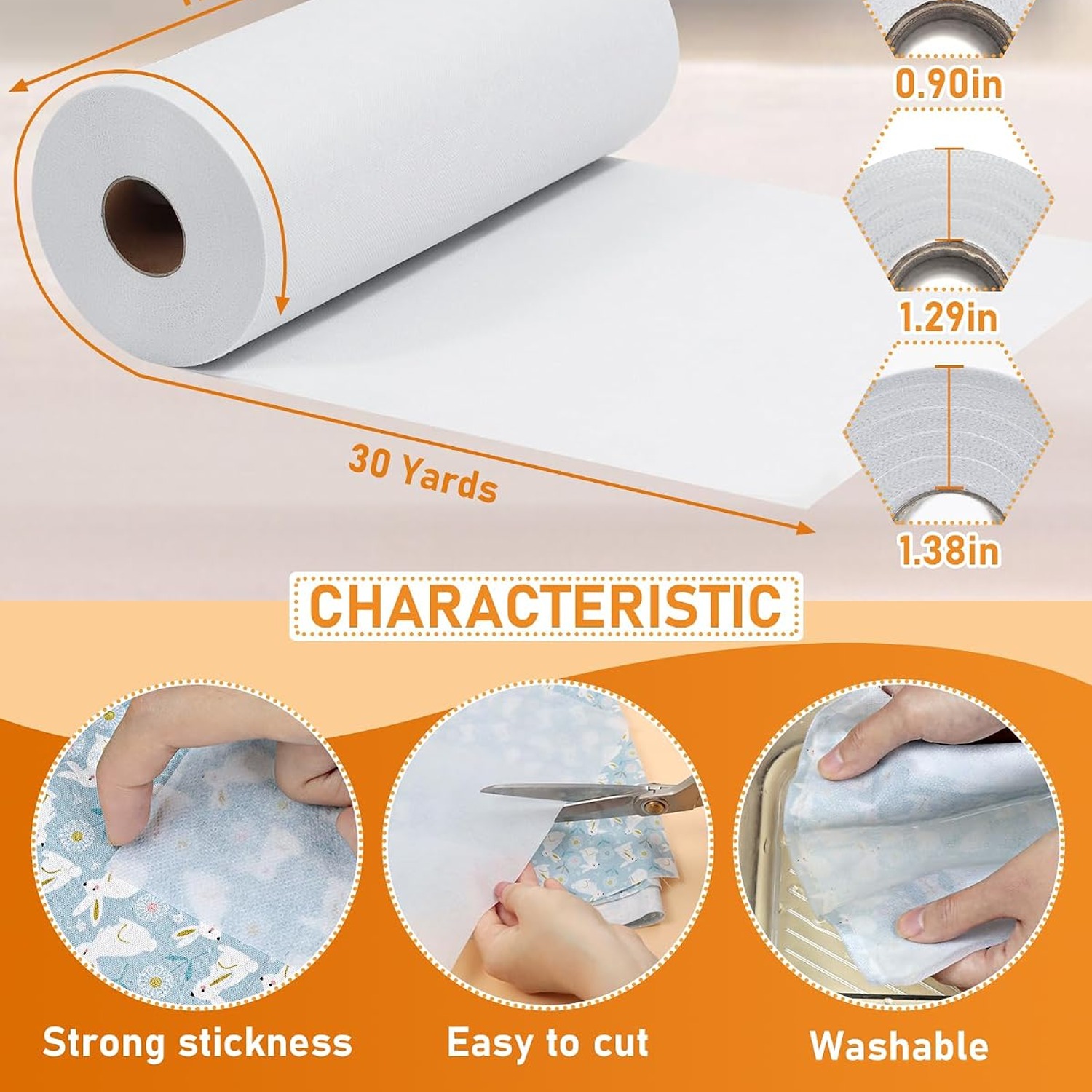
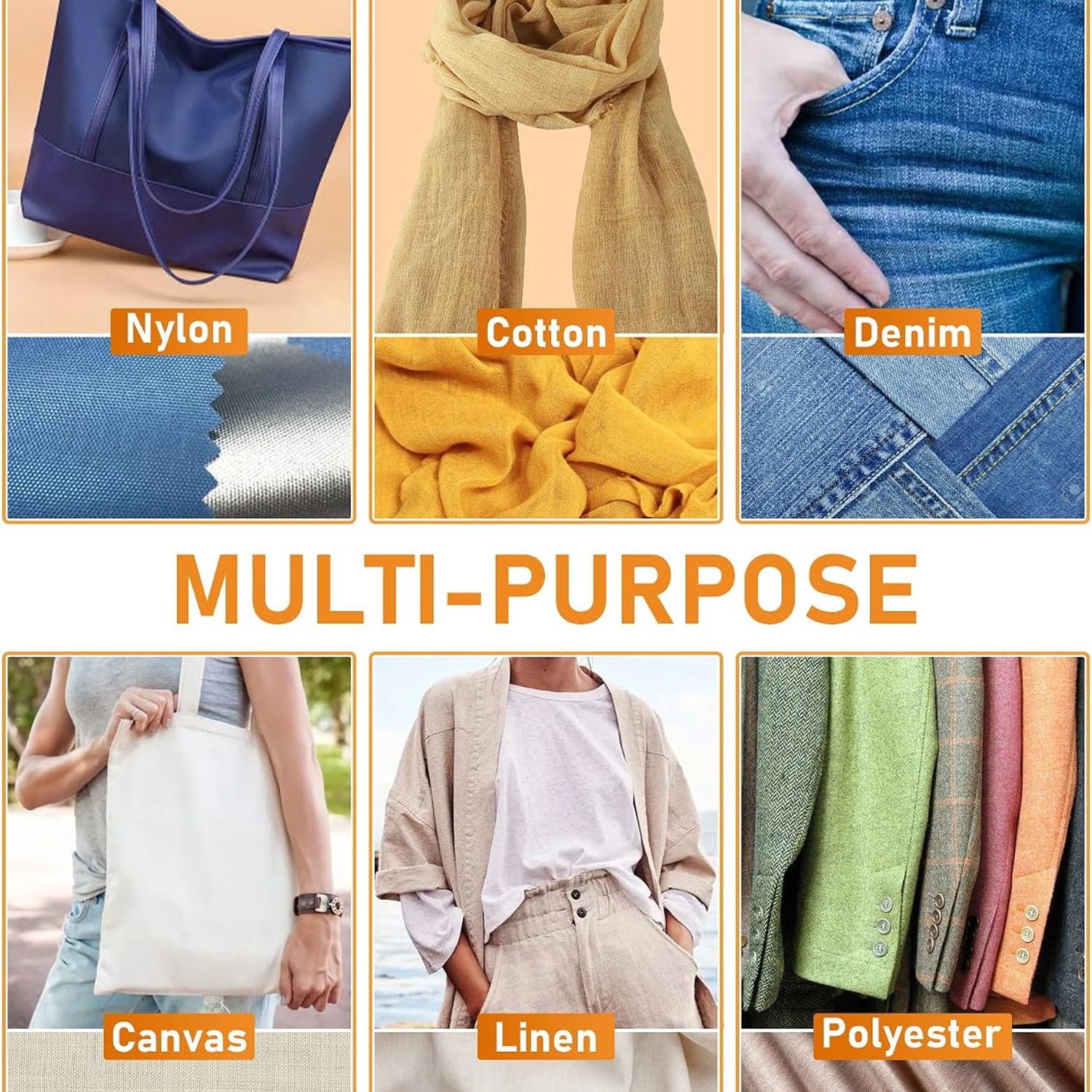
This white medium weight iron-on interfacing comes as one roll, 11.6 inches wide and 30 yards long. It is intended for clothing, crafts, and home decor. Before choosing it, focus on two questions. Does your project need medium weight support, and will your pieces fit within the roll's width?
What iron-on interfacing does
Interfacing is a supporting layer used with your main fabric. It can help a selected area hold the shape your pattern calls for. Collars and cuffs are examples named for this product, but clothing and craft projects can have other areas that need added body.
Think about the finished piece rather than support alone. A soft blouse collar and a firm craft panel may call for different results. More structure is only helpful when it suits the design. Your pattern instructions and a small fabric test are more useful than assuming one support weight fits every project.
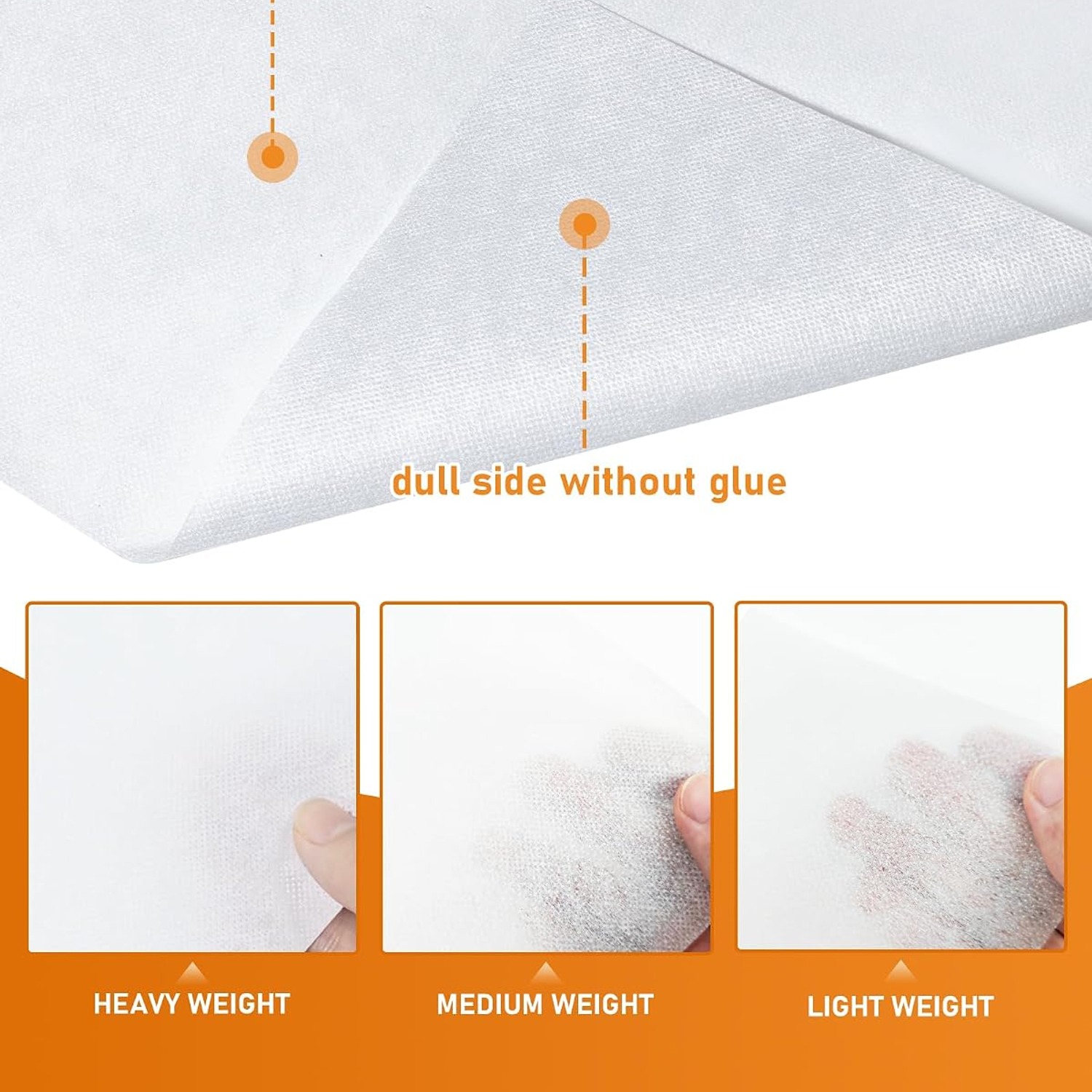
This product is medium weight. That describes its support category, not the weight of the whole roll. If your pattern asks for lightweight or heavyweight interfacing, do not treat those terms as interchangeable.
How the fusible layer works
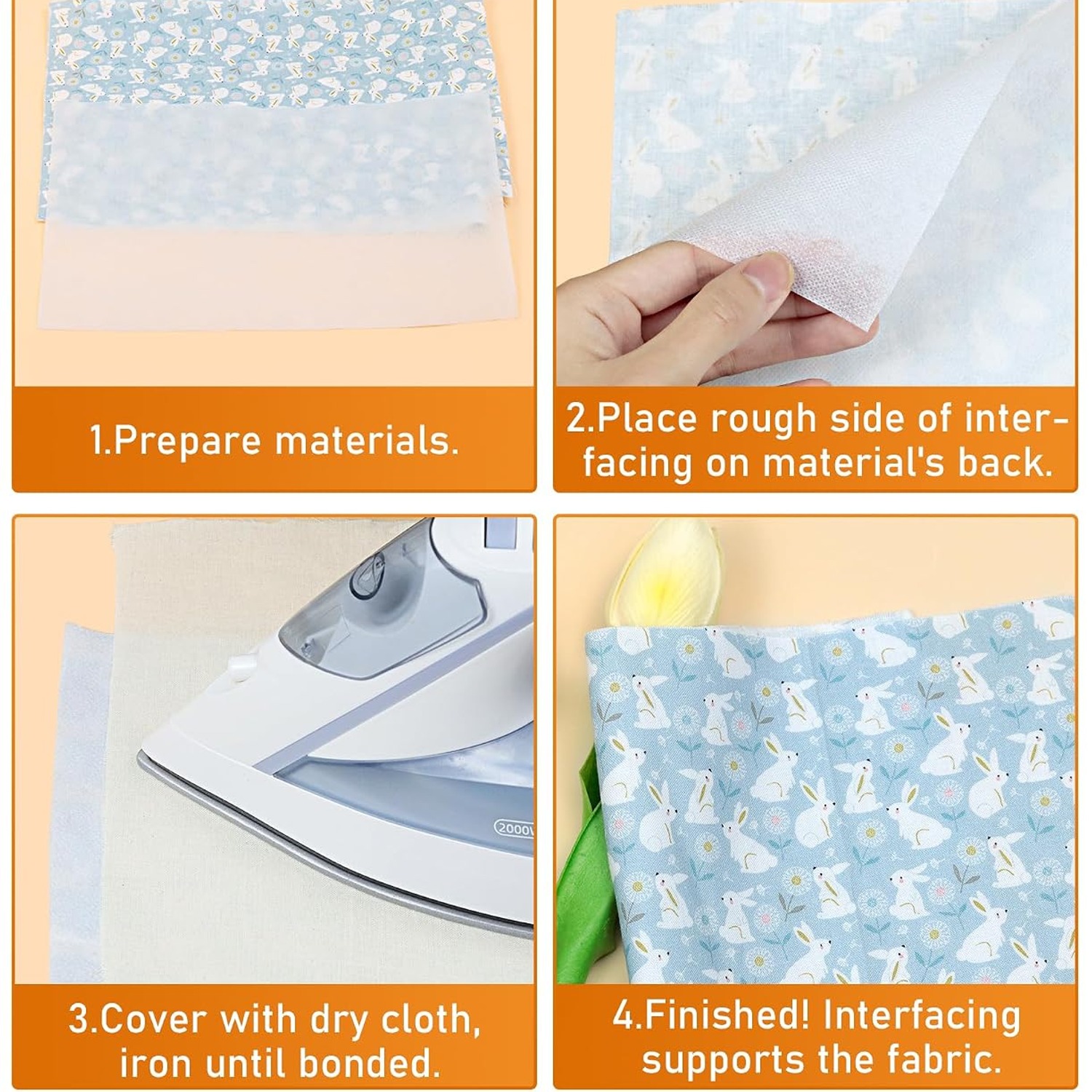
This is single sided fusible interfacing. Its adhesive is activated by heat from an iron, with the adhesive side placed against the fabric you want to support. Once applied correctly, the layers are bonded rather than simply held together by a few stitches.
The exact pressing temperature, time, and steam requirements are not stated by the maker. Those details matter, so avoid choosing a setting by guesswork. Read any directions supplied with the roll and check your main fabric's pressing limits before applying heat.
Keep the adhesive away from the iron surface. A protected pressing area also helps prevent stray adhesive from reaching your board. Prepare your work area before you begin, especially if you are cutting several small interfacing pieces.
Decide whether medium weight suits your fabric
Start with the sewing pattern. If it specifies medium weight fusible support, this product is in the right category to consider. Then look at the fabric itself and the feel you want after fusing.
A fabric can change noticeably when a support layer is added. For clothing interfacing, that change should suit the part being sewn. You may want a collar to hold its shape while still feeling comfortable, or a cuff to have more body without becoming awkward to fold.
Delicate, heat-sensitive, or stretch fabrics need extra thought. Compatibility with those fabrics is not specified by the maker. Check the fabric's care information and make a sample rather than assuming that a product listed for clothing will suit every garment fabric.
Check the width before the length
A 30 yard interfacing roll gives you a long supply, but length does not solve every layout problem. This roll is 11.6 inches wide. A pattern piece must fit within that width in a way that follows your project's instructions.
Lay out your paper pieces or measure them before ordering. Include the full area that your pattern asks you to interface. Do not measure just the visible part of a finished collar or cuff, since the cut piece may be larger.
For wider home decor or craft panels, check the width particularly carefully. Do not assume that joining narrow pieces is suitable for your design. If a project needs an uninterrupted support layer wider than this roll, choose an option that matches that requirement.
Understand what comes in the package
You receive one roll of white medium weight interfacing. It measures 11.6 inches wide and 30 yards long, and you cut your own pieces from it. We do not cut this fabric to order or sell a custom length under this product.
The product description identifies the material as nonwoven polyester. The adhesive is on one side. Although the source details refer to black and white options, the item described on this page is white.
When comparing supplies, keep the stated support weight separate from item weight. The listed item weight is 1.12 pounds, with a separate product weight field of 0.51 kg. Neither figure tells you how a fused sample will feel in your hand.
Make a sample before committing
A small sample can answer questions that a product description cannot. Use a scrap of the same fabric as your project, along with a piece of the interfacing. Follow the supplied application directions and let the sample cool before judging it.
Look at the face of the fabric in good light. Check for any change in appearance, then bend and handle the sample. Ask whether it has the body you need and whether that feel suits the garment or craft item.
Also check the bond. If you see lifting or an uneven result, pause before working on your cut project pieces. Recheck the application guidance and fabric compatibility. Avoid trying to solve an uncertain bond by adding more heat without checking what the fabric can tolerate.
Use it for collars, cuffs, and craft pieces
Interfacing for collars and interfacing for cuffs are stated uses for this roll. Follow your pattern to see which pieces need support and how they should be prepared. Adding interfacing everywhere can change the result just as much as leaving out a layer the pattern requires.
For craft interfacing, begin with the function of the finished item. Does a panel need to hold a shape, or does it need to stay flexible? A fused sample helps you judge that balance before cutting several matching pieces.
Home decor is also a listed use, but that is a broad category. Check each design on its own terms. This is a support layer, not a promise of padding, thick cushioning, or suitability for every household project.
Plan your cutting with less guesswork
Before cutting into the roll, gather the pattern pieces that need interfacing. Check the number of each piece and any instructions about placement. A simple layout on your table can reveal whether a piece fits and how much length you will need.
Keep useful offcuts clean and separate from waste. Smaller pieces may be suitable for later tests or small pattern parts, provided they remain in good condition. There is no need to make a precise project-count estimate from the roll length alone.
How many projects you can complete depends on their size, layout, and the amount of interfacing each one needs. Thirty yards is a stated length, not a guaranteed number of garments or craft items.
Care for the finished project
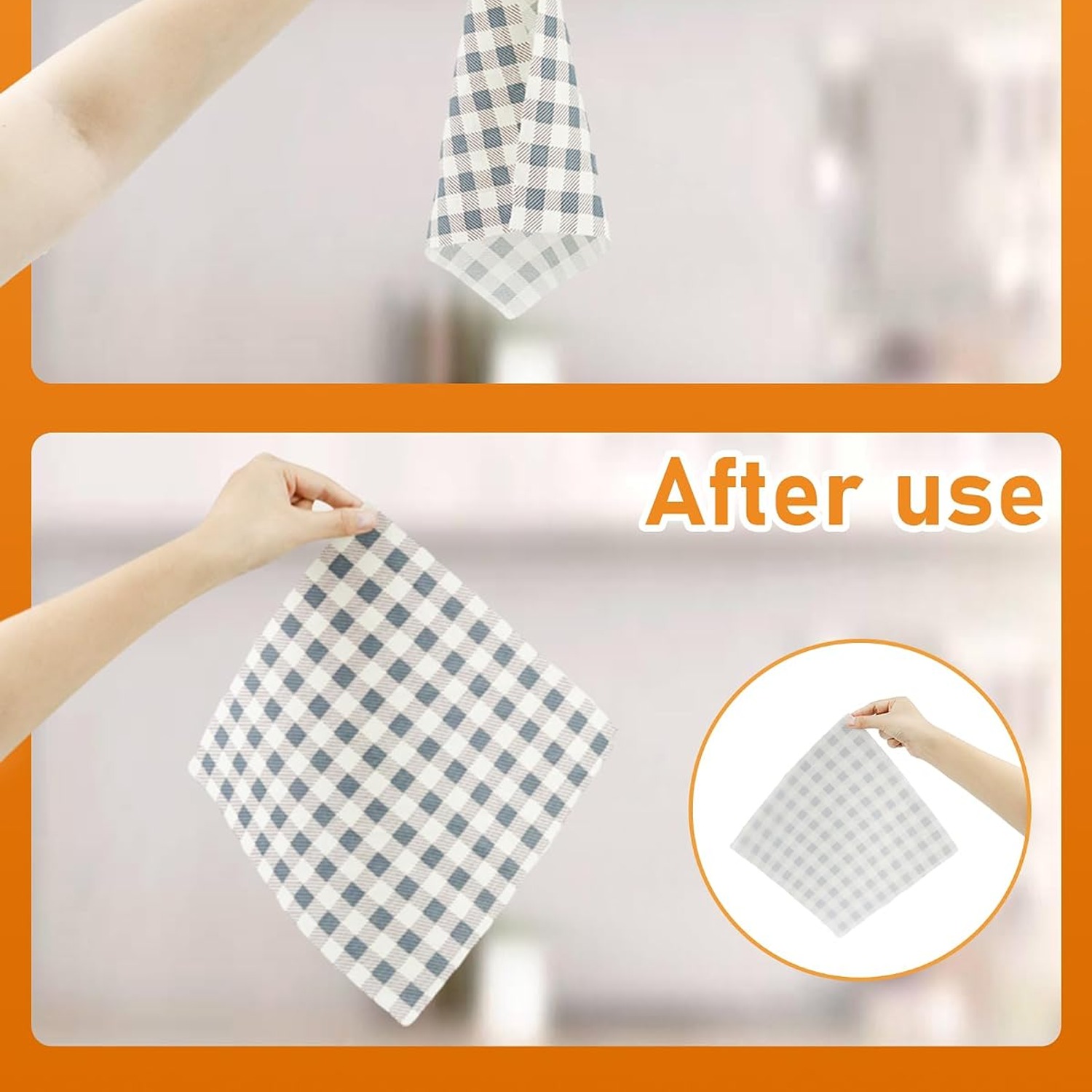
This polyester interfacing is described as washable. However, the maker does not provide a wash temperature, drying method, or detailed pressing instructions for later care. Washable should not be read as permission to use any laundry setting.
Consider the whole project, including the outer fabric and other components. Test your intended care routine on a fused sample when possible. Afterward, look for changes in the fabric, the bond, and the feel of the supported area.
Store the unused roll somewhere clean and dry, away from heat. Keeping the adhesive surface protected from dust and dirt helps you start the next project with material in good condition.
Check practical details before ordering
If you are buying interfacing for DIY projects you have not planned yet, think about the fabrics you use most often. A medium weight white interfacing may fit some of those plans, but it should not replace checking individual pattern requirements.
Sewing supplies are easier to choose when you know what someone makes. The right length is less helpful if the width or weight does not match their work.
A delivery lead time is not specified by the maker. Check the delivery information for your destination before ordering, particularly if you need the roll for a scheduled class or a project deadline.
The short version
Choose this roll when you need white, single-sided, medium weight fusible interfacing and your pieces fit its 11.6-inch width. You receive one 30-yard roll for cutting your own clothing, craft, or home decor pieces. Test with your fabric and follow the supplied pressing guidance before working on the finished project.
Check your order before cutting or washing it. Returns are available within 14 days of delivery for fabric that is unwashed, uncut, unused, and in its original packaging, with return postage paid by the customer. Faulty or wrongly described goods are put right free of charge.