
The complete guide
A Buyer's Guide to Small Felt Sheets
Small projects do not need large fabric cuts
A card decoration might need one small leaf, a bright flower center, and a few tiny shapes. Buying a large piece of every color can leave you with more fabric than the project needs. A pack of small felt squares offers a different way to build your supplies.
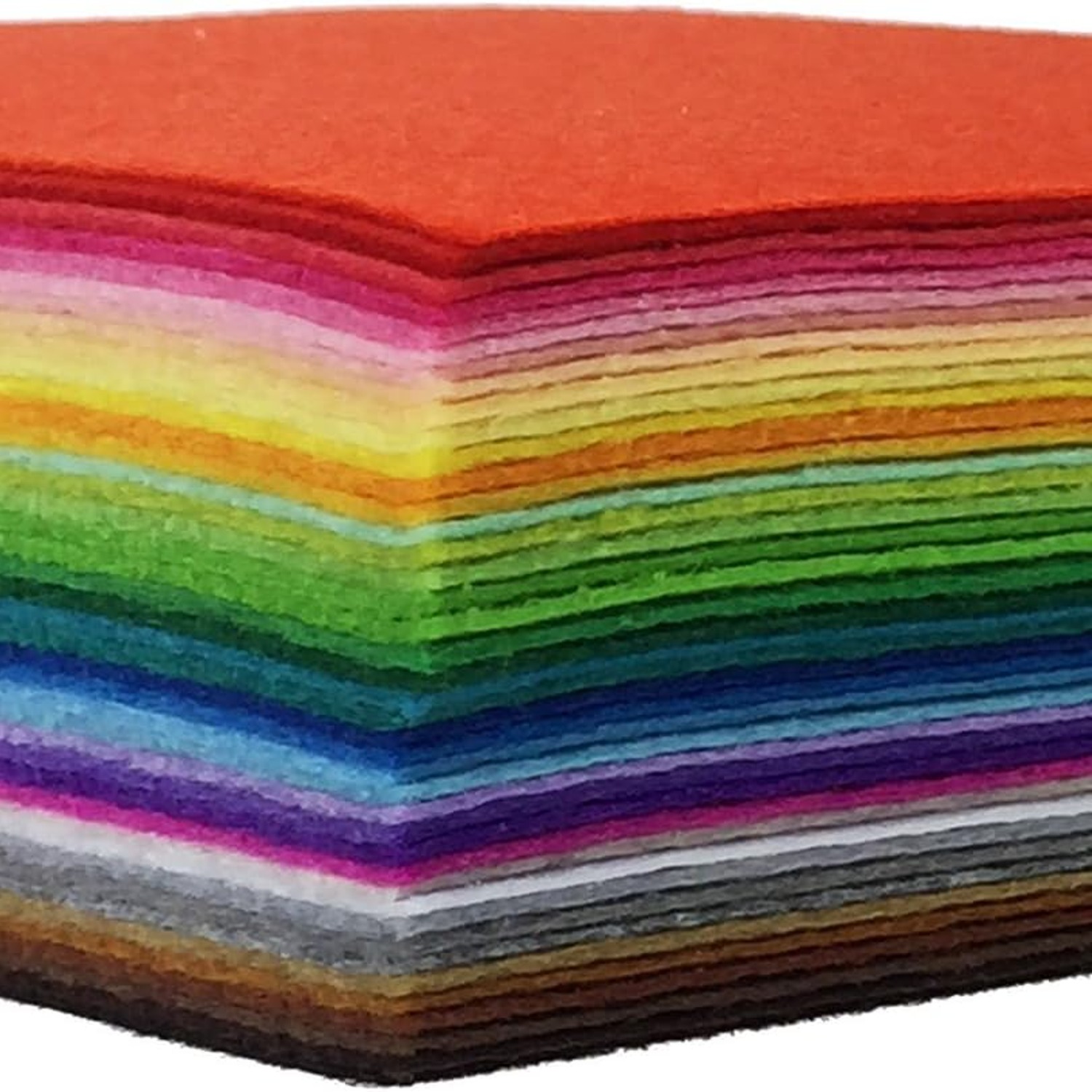
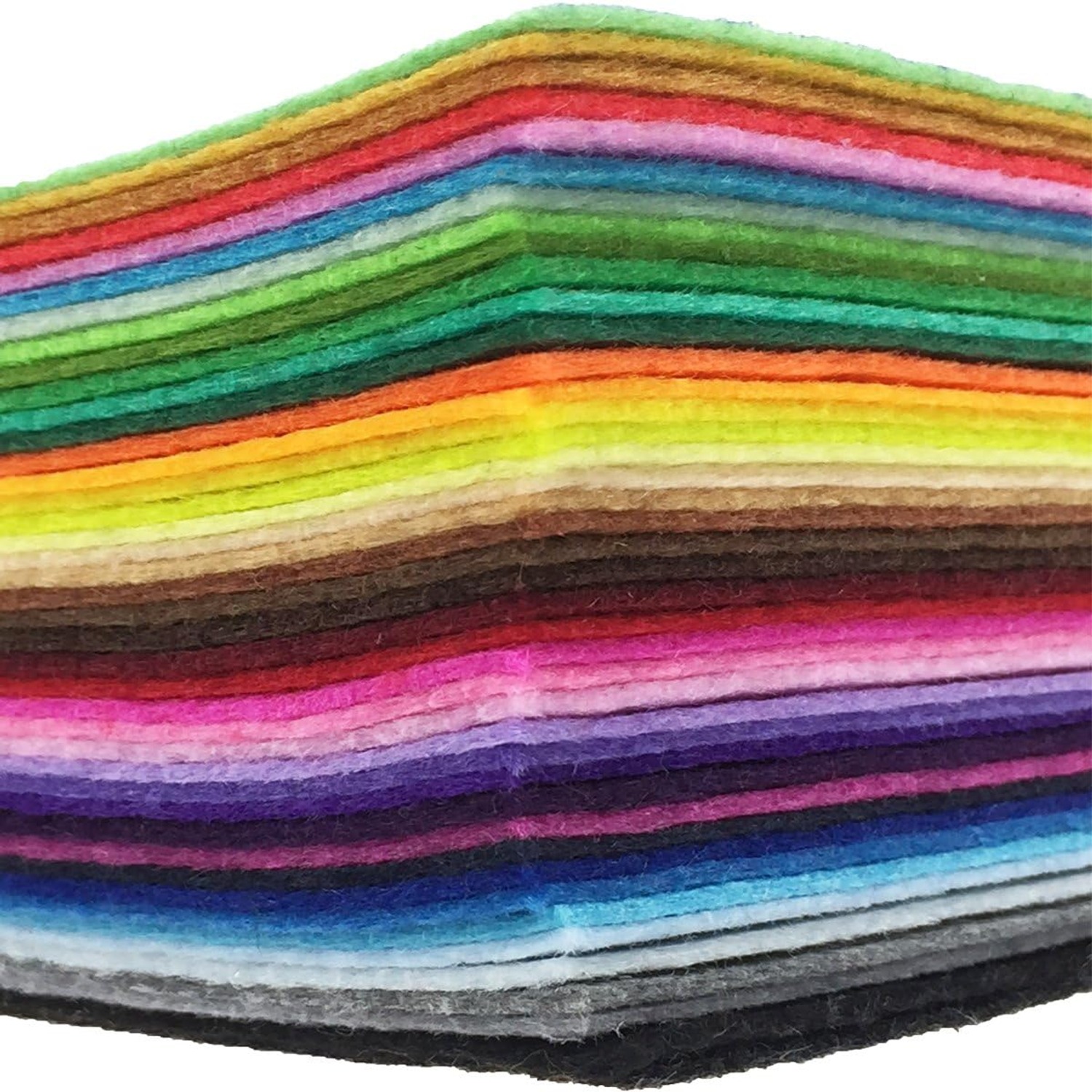
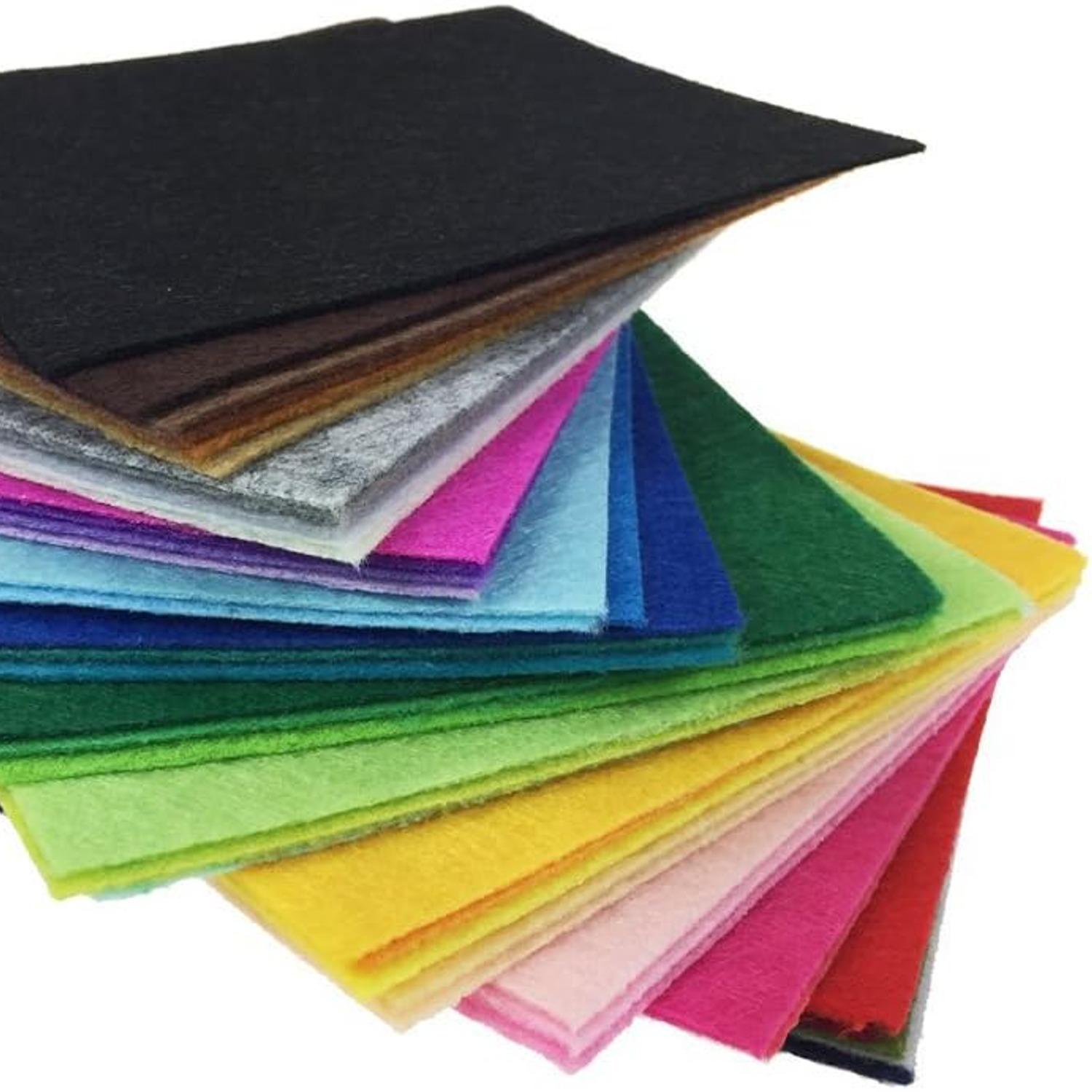
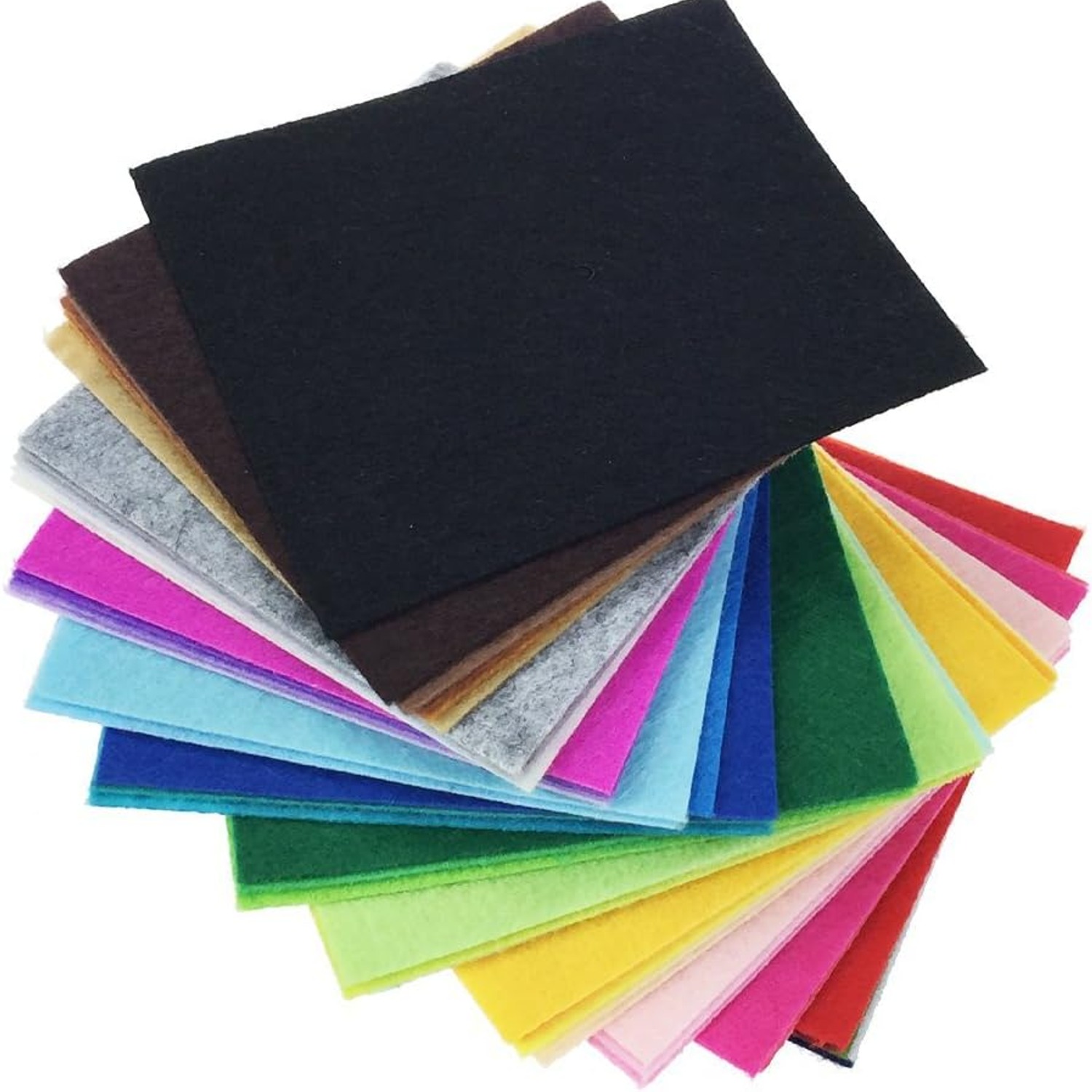
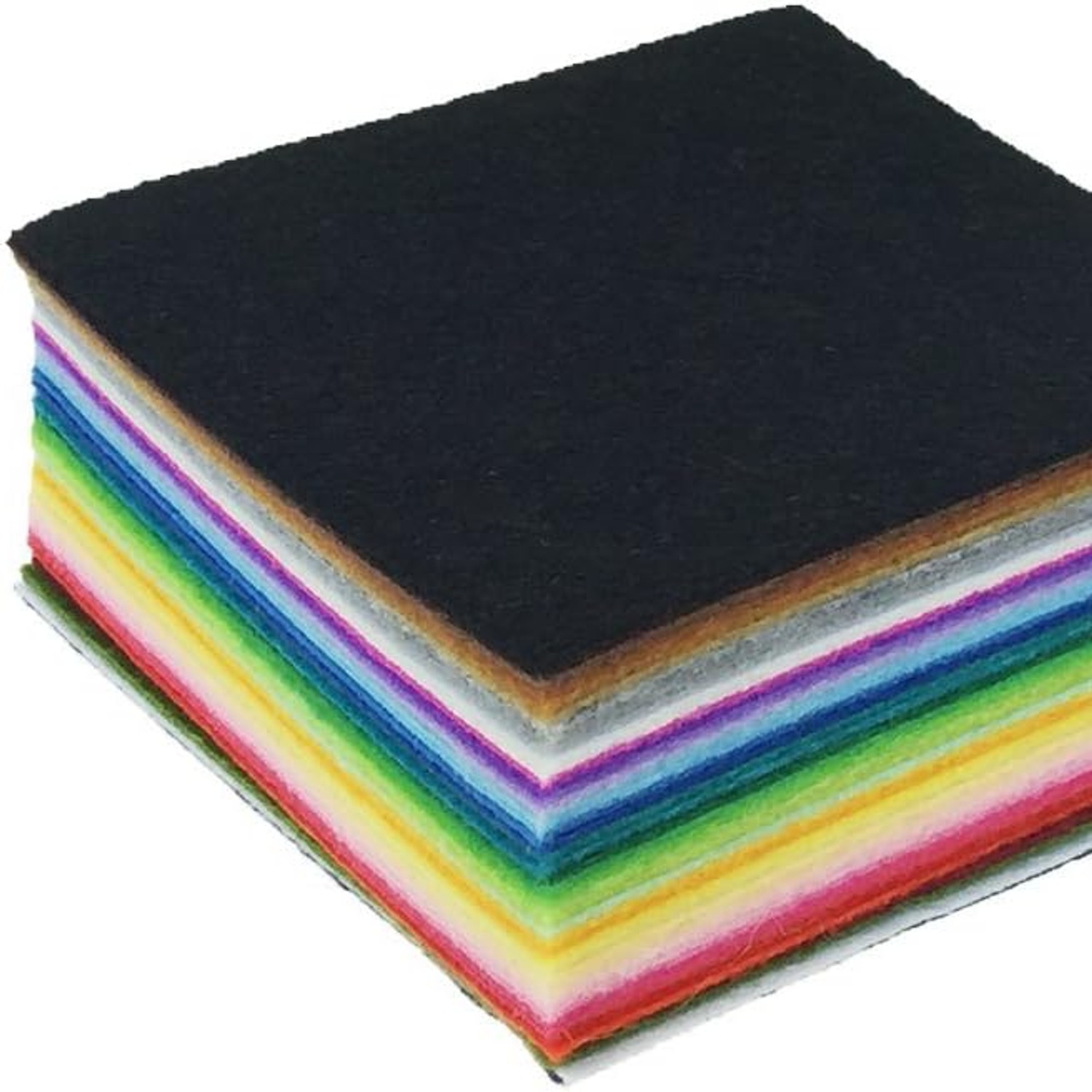
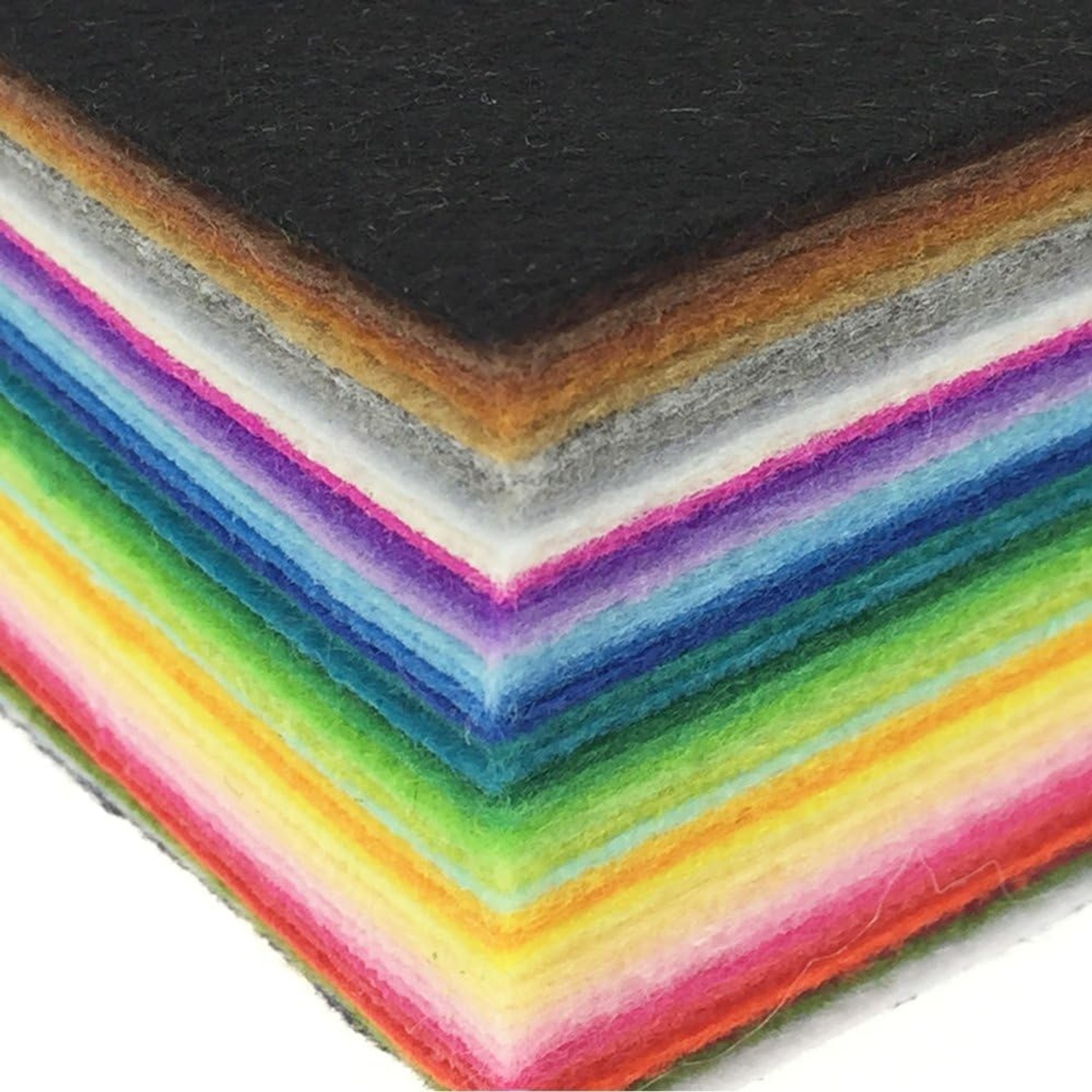
This pack contains 42 sheets in 42 different colors. Each sheet measures 4 x 4 inches and is approximately 1 mm thick. It is a choice to consider when color variety matters more than having a large amount of one shade.
The main question is whether your design fits the format. These are individual squares, not fabric sold by the yard. Start with the size of your largest pattern piece, then think about the colors and joining methods your project needs.
What this craft felt fabric is
The maker's details describe the sheets as acrylic synthetic felt with a nonwoven construction. They have solid colors and a rainbow theme. That means the assortment offers different colors, rather than a rainbow pattern printed across each sheet.
The listed uses include cutting, folding, gluing, sewing, and stapling. Painting and drawing are also possible. Those options give you several ways to approach a design, but the result still depends on your tools and any other materials you add.
Some details are not stated. There is no firmness rating, exact shade list, or adhesive backing specification. If one of those features is essential to your project, ask before buying rather than judging from thickness or photographs alone.
Check the 4 x 4 inch size first
Sheet size is the most useful starting point when choosing felt craft supplies. A design may look small on screen yet need more room once seam allowances, folded sections, or overlapping edges are included.
Draw a 4 x 4 inch square on paper. Place your pattern inside it at its actual size. If you plan to sew around the edge, include the space your pattern requires for stitching. Do the same for every piece that must be cut as one continuous shape.
This simple check also helps with quantity. Two narrow shapes may fit on one square, while a single wide shape may use nearly the whole piece. Turn paper templates around to explore layouts before cutting the felt.
If your design needs a panel larger than 4 inches in either direction, look for a larger sheet or continuous fabric. Joining small squares can be part of a design, but it will not give you an unbroken surface.
Choose variety or repeated color
An assorted color felt pack is useful when you want several shades for separate details. Think of a collage with different sections or a set of decorations where each piece can have its own color.
This pack has 42 different colors, so do not plan on receiving several full sheets of the same shade. A project that needs many identical red flowers, for example, may call for a separate supply of that color.
Exact shade names are not specified. If matching an existing item is important, an assortment may be less predictable than buying a named color with confirmed details.
For flexible designs, choose the shapes first and settle on the final palette when you have the sheets in front of you. That lets you compare the actual colors side by side instead of relying only on how a screen displays them.
Plan small shapes and layered details
Small felt squares can be considered for card decorations, applique details, compact ornaments, and collage work. These are project ideas, not a promise that every pattern will fit. The right choice depends on your template.
For layered work, count the pieces that sit on top of each other. Each sheet is approximately 1 mm thick, so several layers will create a thicker section than one sheet alone. Keep that in mind where you intend to stitch or attach the design.
Try laying the pieces out without fixing them first. You may find that a smaller top shape shows more of the color underneath, or that shifting one detail makes the design easier to read.
Keep the first version simple. A few clear shapes can help you test the material and your method before you spend time cutting a more detailed pattern.
Cutting with less waste
Before cutting, decide which shapes need the largest clear areas. Cut those first, then use the remaining spaces for smaller details. Starting with tiny pieces in the middle of a sheet can leave awkward scraps.
Paper templates help when you need repeated shapes. Check the outline at full size and choose a marking method that suits your project. Test any pen or pencil on an offcut before marking a visible surface.
Keep useful scraps rather than treating every leftover as waste. A narrow strip or small corner may be enough for a later detail. Store these pieces separately from full sheets so you can see what is available.
There is no need to cut the whole pack at once. Keep sheets intact until you know what each project needs.
Sewing, gluing, and other joining methods
The felt can be sewn or glued, giving you different ways to attach pieces. Your choice should reflect the design, the backing material, and how you plan to handle the finished item.
For felt for sewing projects, make a small trial using your intended needle and thread. Check how the stitches look and whether the layers stay aligned. Machine settings and needle sizes are not specified by the maker.
For glued projects, follow the adhesive maker's instructions. Test the glue with both the felt and the surface it will attach to. Allow the test to dry before judging the appearance and hold.
Stapling is another listed option, though exposed fasteners may not suit every finished piece. Think about where the item will be handled and whether the back will remain visible. No joining supplies are specified as part of this pack.
Adding paint or drawn details
Painting and drawing can add details that would be difficult to cut as separate shapes. Before working on your finished design, try the same marks on a spare piece.
Check how the medium spreads, how clear the line looks, and what happens after drying. A mark that works on paper may look different on nonwoven felt fabric. Product-specific paint or pen compatibility is not stated.
If you are combining painted details with glue or stitching, test the full combination. That gives you a more useful preview than checking each material alone.
Leave enough time for your chosen medium to dry according to its own instructions. Avoid stacking freshly decorated pieces until you know the surfaces are ready.
Who this assortment may suit
This pack may suit someone who enjoys small projects and wants a range of colors close at hand. It is also worth considering for shared craft sessions where different people can choose different shades.
For supervised activities with children, plan around the tools and small pieces involved. No age rating or safety certification is stated. Adults should decide which cutting and joining tasks are appropriate.
It may also make a useful gift for a person who already enjoys felt work. Check whether they prefer small decorative projects or larger patterns. Someone making large panels may have little use for 4 x 4 inch pieces, even with a broad color assortment.
Tools, adhesives, and gift packaging are not specified. If you want to assemble a project gift, check what else the recipient would need.
Care, storage, and finished projects
The stated care instruction is hand wash only. Do not assume the sheets or a finished item can go in a washing machine.
Once you add other materials, care becomes a question about the whole project. An adhesive, painted section, or backing may need different treatment from the felt. Test your cleaning approach on a sample and follow the instructions for added materials.
Store unused sheets flat, clean, and dry. Keep full sheets together and put useful offcuts somewhere easy to check before cutting into a fresh square.
A simple storage habit can also help with planning. Looking through your scraps first may reveal that you already have enough of a color for a small detail.
Check the pack before starting
When the pack arrives, review the sheet size and assortment before cutting, washing, or using it. Compare the material with the needs of your project while everything is still intact.
Returns are accepted within 14 days of delivery for fabric that is unwashed, uncut, unused, and in its original packaging. The customer pays return postage. Faulty or wrongly described goods are put right free of charge.
A delivery lead time is not specified by the maker. Check the delivery information for your destination before planning a craft session around the order.
The short version
Choose these felt sheets when your project needs small pieces in many colors.
Check your templates, allow for joins, and test your chosen craft method on an offcut. If you need a large continuous piece or several sheets of one exact shade, choose a different format.