Fabric Shop Company
Company
Shop By Category
T&Cs
Shop Online
  • Width and length on every product page
  • Free tracked USA-wide delivery over $69
  • 14-day returns

Unbleached muslin fabric | Cotton muslin 2 yards | Natural quilting muslin

Unbleached Cotton Muslin, 2 Yards

$19.99 $23.99 Save $4

What you get

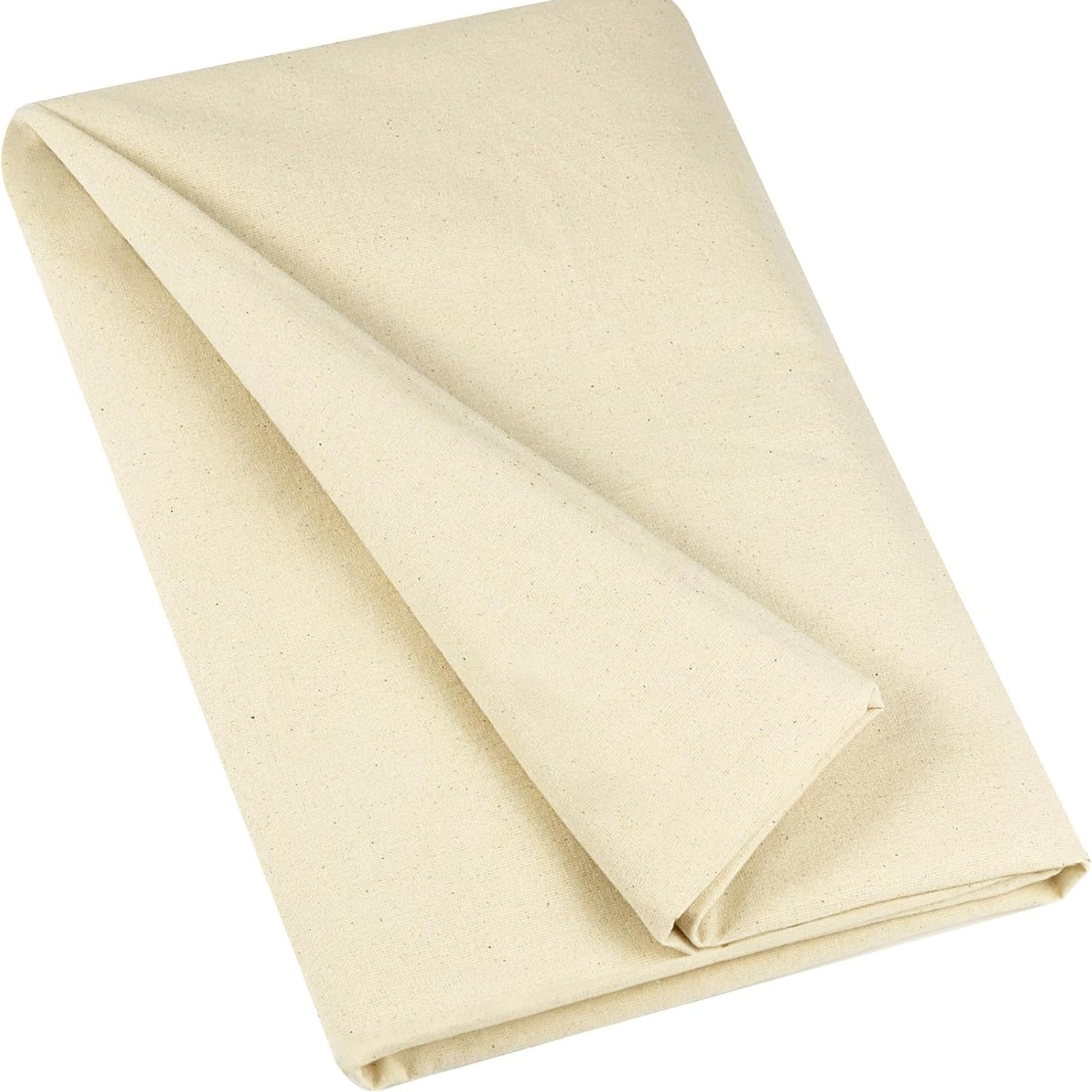
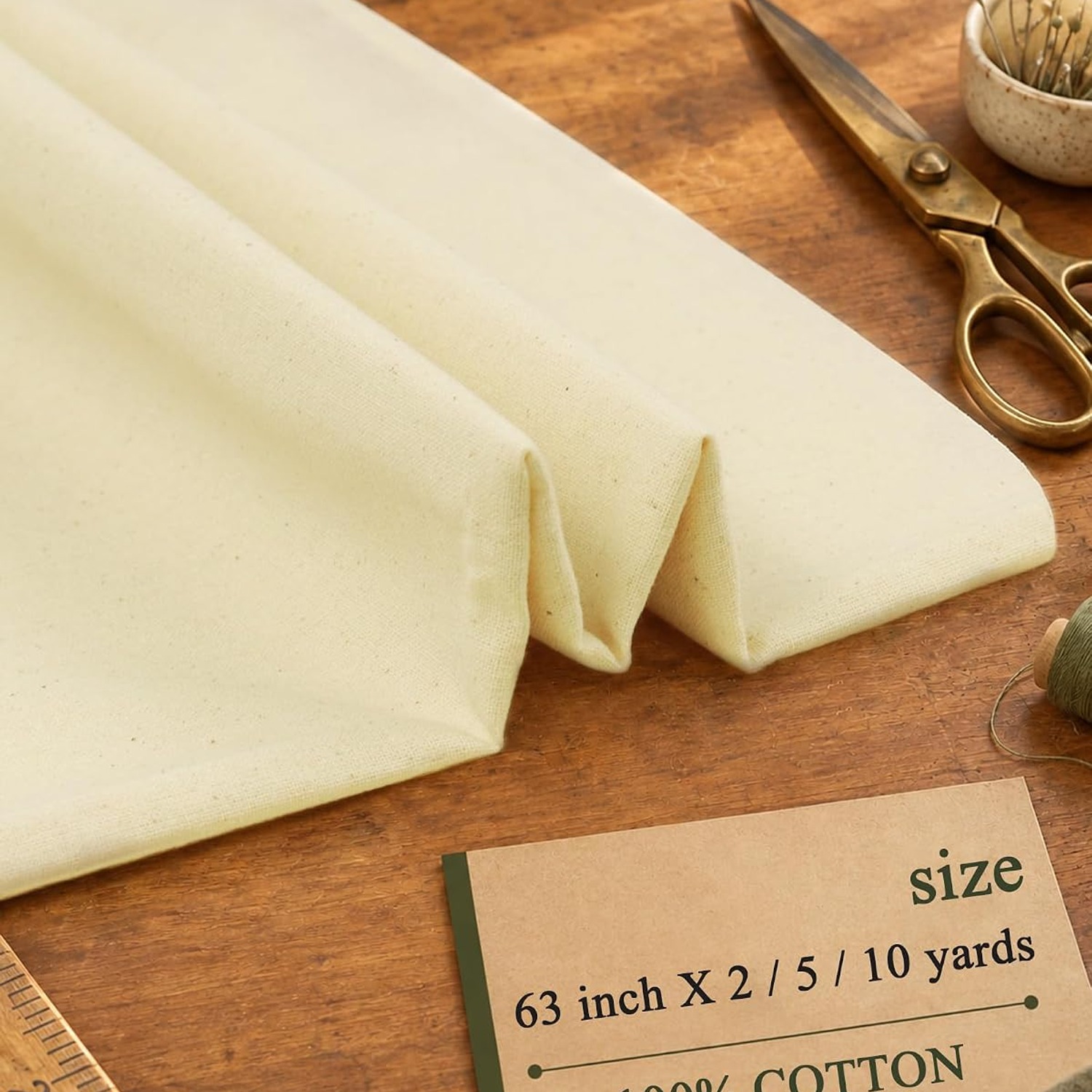
One piece of unbleached cotton muslin, 2 yards long and 63 in wide.

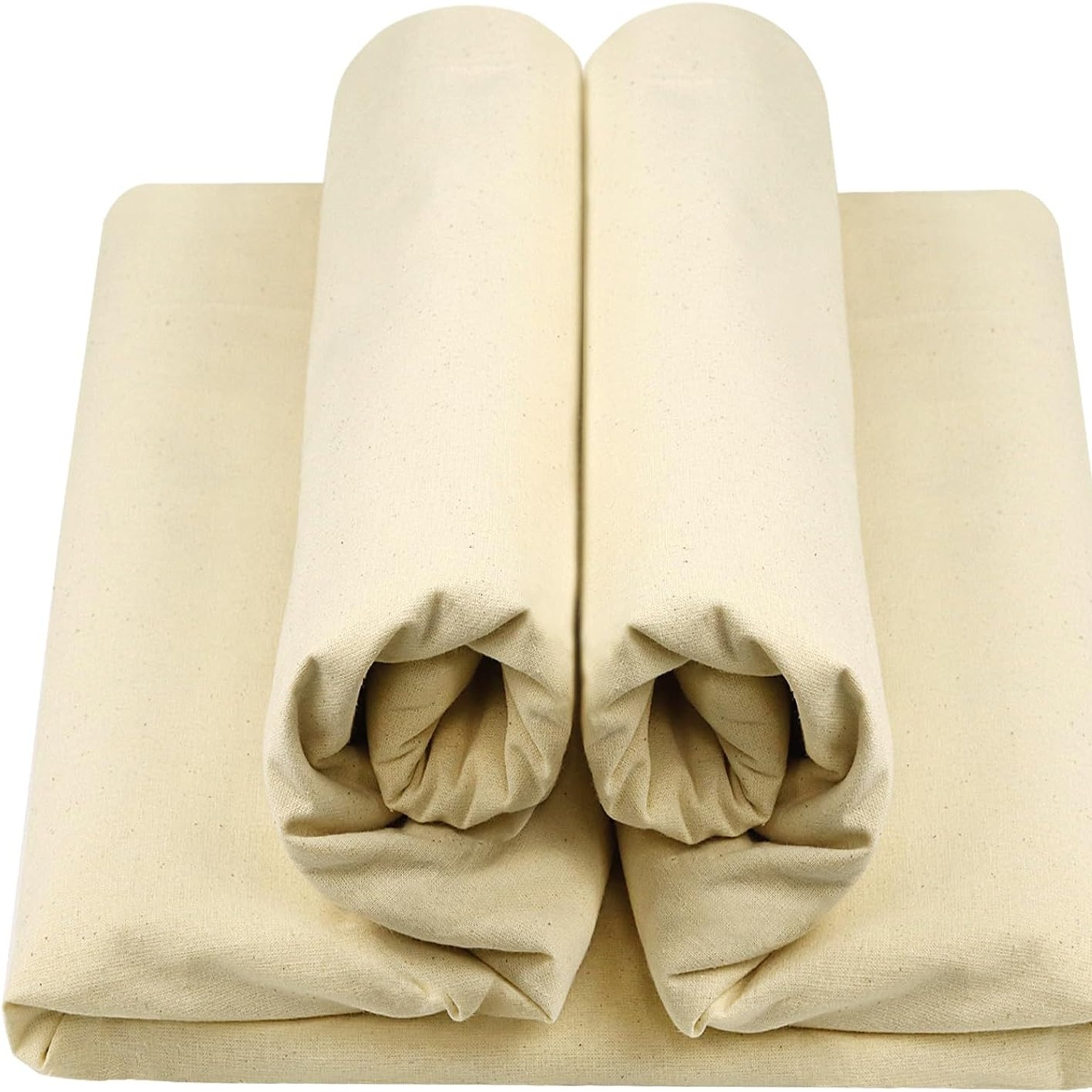
The price is for this item as described. We do not cut fabric to order. If you order more than one, you receive separate items, not one continuous length.

  • All Cotton Fabric
  • Two Yard Piece
  • Natural Unbleached Finish
  • Versatile Plain Weave

Price: $19.99 $23.99

  • Free tracked USA-wide delivery on orders $69+, otherwise a flat $9.95
  • Pay by card or PayPal, handled by the payment provider
  • 14-day change-of-mind returns from delivery. Conditions and return postage apply. consumer protection law of your state rights are unaffected. Full returns policy
Product specifications
Sold as1 piece, 2 yards long x 63 in wide
Piece Quantity1 piece
Length2 yards (72 inches)
Width63 inches
Fabric Content100% cotton
Fabric TypeMuslin
WeavePlain
Fabric Weight ClassMedium weight
FinishUnbleached
ColorNatural
PatternSolid
Product Weight0.47 kg
CareMachine wash on a low setting or hand wash; air dry
Weight0.47 kg
Shipping & returns

Tracked delivery anywhere in the USA. It is free on orders of $69 or more, and a flat $9.95 below that.

If it is not right for you, send it back within 14 days of delivery, unwashed, uncut, unused and in its original packaging, and we refund the price you paid, including standard delivery. That is a voluntary policy we offer on top of your legal rights. You cover the cost of returning it unless the item is faulty.

If it arrives faulty, damaged or not as described, we put it right at no cost to you under the consumer protection law of your state and the Federal Trade Commission Act, return postage included.

Shipping details · Refunds and returns

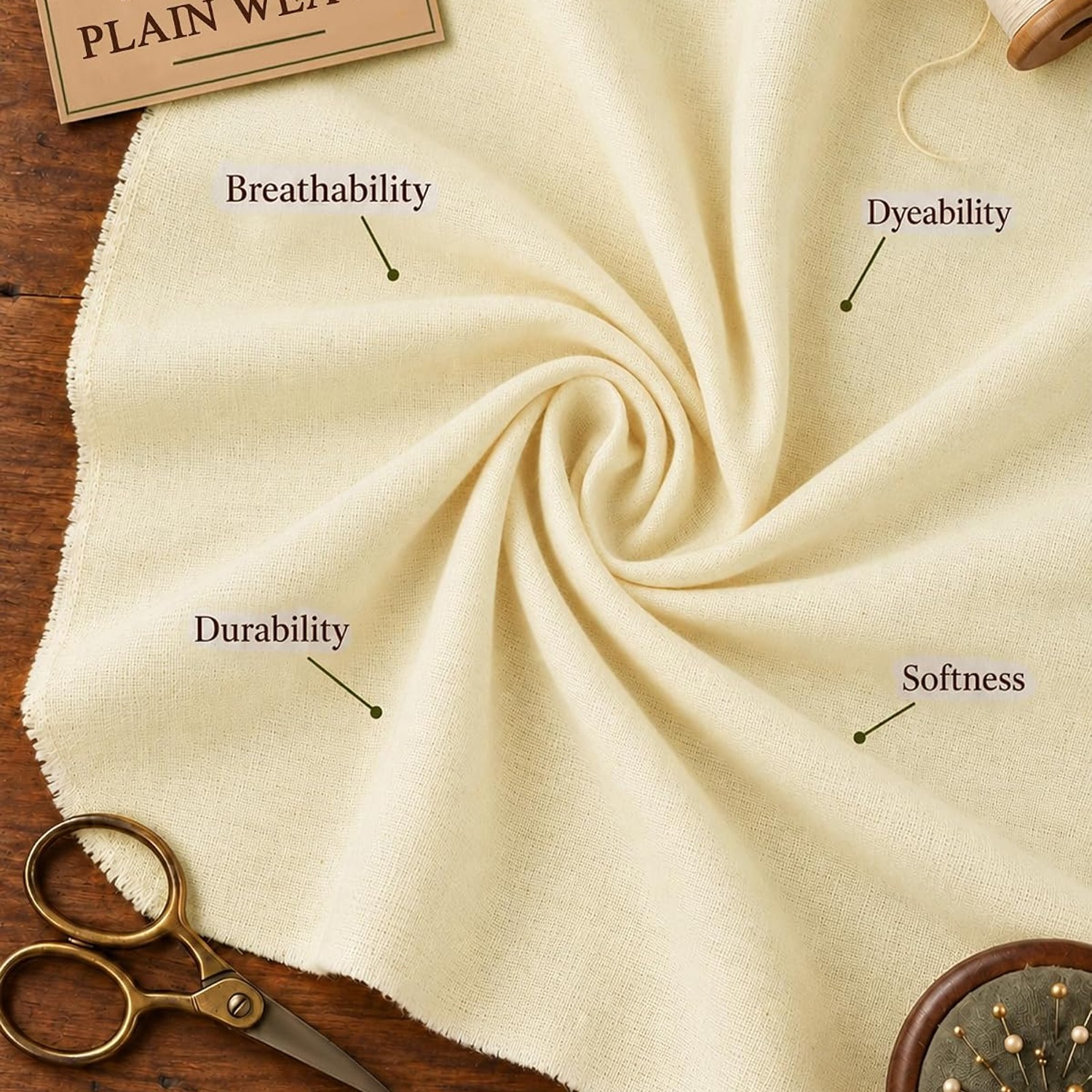
All Cotton FabricA soft, breathable base for sewing and craft projects.
Two Yard PieceOne piece measuring 72 inches long and 63 inches wide.
Natural Unbleached FinishNatural color with small cotton seed flecks.
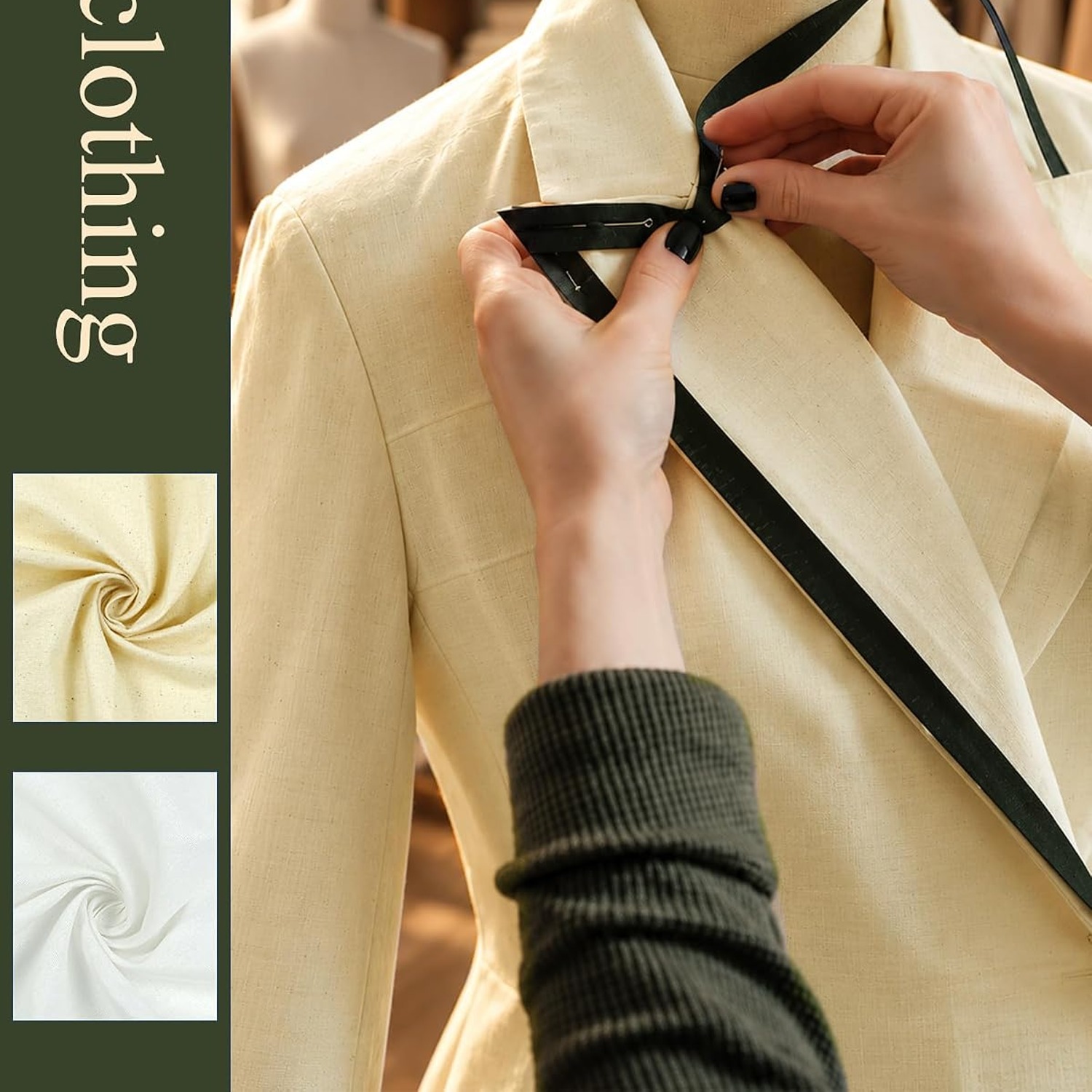
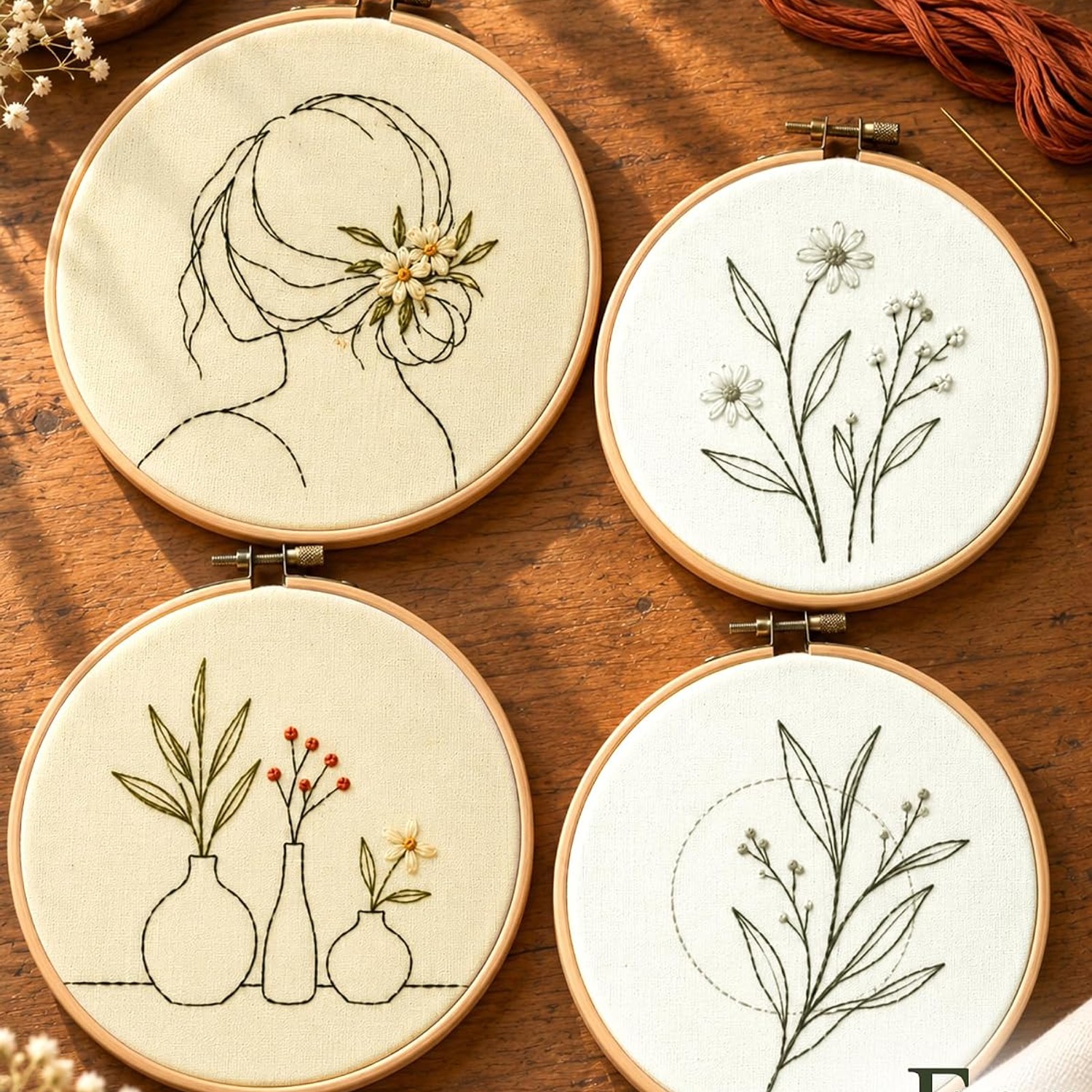
Versatile Plain WeaveSuitable for fittings, embroidery, quilting, and draping.

Bring your next sewing idea to life with unbleached muslin fabric.

Soft, breathable cotton in a plain weave gives you a practical starting point for quilting, fitting, embroidery, and everyday crafts.

Give your sewing plans a soft, breathable starting point with 100% cotton muslin.

Plan your layout around one piece measuring 2 yards long and 63 inches wide.

Bring a natural look to projects with unbleached fabric and visible cotton seed flecks.

Use the medium weight plain weave for fitting samples, embroidery, quilt backing, or crafts.

Keep care straightforward with low-setting machine washing or hand washing, followed by air drying.

Unbleached Cotton Muslin, 2 Yards

This unbleached cotton muslin is a practical fabric for projects that begin with a simple, solid base. Its soft feel and breathable cotton construction suit sewing, quilting, and craft work without a printed design competing with your stitches.

Unbleached Cotton Muslin, 2 Yards

You receive one piece measuring 2 yards long and 63 inches wide. That is 72 inches of length for arranging pattern pieces, planning a backing, or dividing into smaller craft sections. Check your full layout, including hems and seam allowances, before cutting.

Unbleached Cotton Muslin, 2 Yards

The natural finish includes small flecks of cotton seed within the cloth. These are part of the unfinished muslin's appearance rather than a defect. Choose it when a natural look fits your project, rather than when you need a bright white ground.

Unbleached Cotton Muslin, 2 Yards

The medium weight plain weave can be used for garment fitting samples, draping, embroidery, quilt backing, aprons, and other sewing projects. If your final design depends on a particular drape or level of coverage, test a sample before committing to the whole piece.

Unbleached Cotton Muslin, 2 Yards

Care is straightforward with machine washing on a low setting or hand washing, followed by air drying. No shrinkage percentage is supplied, so prepare and measure the fabric before making a finished item that needs to hold a particular size.

Not sure yet? That is fine.

Fabric has to suit the project you bought it for, and you cannot always judge color, weight and feel from a photograph. If it is not right for you, send it back within 14 days of delivery, unwashed, uncut, unused and in its original packaging, and we refund the price you paid, including standard delivery. That is on top of your rights under the consumer protection law of your state if anything arrives faulty.

If it turns up faulty, damaged or not as described, that is on us. The consumer protection law of your state and the Federal Trade Commission Act cover you, and we pay the return postage. Read the full detail on our refunds and returns page, or ask us anything before you order.

Frequently Asked Questions

What is this product?

This is one piece of unbleached cotton muslin for sewing and craft work. It measures 2 yards long and 63 inches wide.

How does muslin work as a sewing fabric?

Muslin gives you a plain woven surface that you can cut, stitch, and shape for a project. This cotton muslin for sewing is listed for uses such as fittings, quilting, and embroidery.

How much fabric will I receive?

One piece of unbleached cotton muslin, 2 yards long and 63 in wide. The price is for this item as described. We do not cut fabric to order, and ordering more than one gives you separate items, not one continuous length.

Is the 2-yard length the same as 72 inches?

One piece of unbleached cotton muslin, 2 yards long and 63 in wide.

No, this product is for a stated 2-yard piece. It is not offered here as a custom cutting service.

What is the fabric made from?

The fabric content is listed as 100% cotton. Muslin describes the fabric type, and its weave is plain.

Is this linen fabric?

No, the stated fabric content is 100% cotton. Choose it as cotton muslin rather than linen.

What color is the fabric?

The listed color is natural, and the fabric is unbleached. It is not described as bright white.

Why are there small flecks in the cloth?

Small cotton seed flecks are normal in the unfinished natural fabric. Their presence alone does not mean the cloth is defective.

Is this lightweight or medium weight muslin?

It is described as medium weight muslin. The maker does not state a fabric weight in GSM, so an exact weight comparison is not possible from the maker's description.

Is the muslin soft and breathable?

Yes, the maker describes the fabric as soft and breathable. Those descriptions do not give a measured airflow rate or a specific level of softness.

Can I use it as muslin quilt backing?

Quilt backing is one of the listed uses. Compare the 72-by-63-inch piece with your quilt top and the extra backing allowance your quilting method needs.

Can I use muslin for embroidery?

Embroidery is a listed use for this fabric. Test your chosen stitches and any stabilizer on a small section before starting the main design.

Is it suitable for garment fitting samples?

Yes, fittings and draping are listed uses. For a useful fitting sample, compare its weight and drape with the fabric you plan to use for the final garment.

Can I sew finished clothing with it?

Apparel is among the listed uses. Check a sample for drape and coverage before choosing it for a particular garment.

Can I make curtains from this fabric?

Curtains are a listed use, so natural muslin curtains are a possible project. No blackout or light-blocking performance is stated.

Can I use it for aprons?

Aprons are included among the listed applications. Check that the piece covers your pattern layout, ties, pockets, and seam allowances.

Is this cotton fabric for dyeing?

Dyeing is a listed use. Follow the dye manufacturer's directions for cotton and test a small sample before treating the whole piece.

Is the surface printed or patterned?

The listed pattern is solid. The natural cotton seed flecks are part of the fabric's unfinished appearance, not a printed design.

Should I wash it before sewing?

For a washable finished project, washing before cutting is a sensible preparation step. No shrinkage rate is stated, so measure the fabric again after washing and drying.

How should I wash this muslin?

Machine wash on a low setting or hand wash, then air dry. A precise wash temperature is not stated.

Can I tumble dry it?

The supplied care instructions say to air dry. They do not provide a tumble-drying setting, so air drying is the supported choice.

Will the fabric shrink?

The maker does not state a shrinkage percentage or say that the fabric is preshrunk. Allow for preparation before cutting a project with strict size requirements.

Where is the fabric made?

Country of origin is not specified by the maker. No origin claim is provided for this natural cotton fabric.

Does it have any certifications?

No certifications are specified in the maker's description. The unbleached description should not be read as a certification claim.

Is it suitable for someone learning to sew?

A plain fabric can be a useful starting point for practicing seams or making fitting samples. Choose a small first project and check its fabric requirements against this piece.

Could I give this fabric as a gift?

A two yard fabric piece could suit someone who enjoys quilting, embroidery, or garment sewing. Check that they want natural unbleached cotton rather than a different color or fabric type.

How long will delivery take?

We dispatch within 2 working days, and delivery then takes up to 7 working days by tracked courier, with tracking details sent by email. Delivery is free on orders of $69 or more and $9.95 below that. We deliver within the USA only.

What are the return conditions?

You can return it within 14 days of delivery if the fabric is unwashed, uncut, unused and in its original packaging; return postage is yours to pay. If it arrives faulty, damaged or not as described, we put it right at no cost to you under the consumer protection law of your state.

What if the fabric is not right for my project?

You can return it within 14 days of delivery if the fabric is unwashed, uncut, unused and in its original packaging; return postage is yours to pay. If it arrives faulty, damaged or not as described, we put it right at no cost to you under the consumer protection law of your state.

A Practical Guide to Choosing Unbleached Cotton Muslin

6 min read Fabric Shop Company

Start with the job you need the fabric to do

Buying plain fabric sounds easy until you begin checking a pattern. Is the piece wide enough? Will the cloth behave like your finished garment fabric? Does the natural color suit the embroidery you have in mind? A little planning now can save you from cutting into fabric that does not fit the job.

This unbleached muslin fabric is one piece of 100% cotton, measuring 2 yards long and 63 inches wide. It has a plain weave and is described as medium weight, soft, and breathable. Its listed uses range from garment fittings to quilt backing and crafts.

Think of it as a starting material, not a promise that every project will work. Your pattern, finish, and size requirements still matter. The most useful first step is to decide whether you need cloth for testing an idea or for making the finished item.

Understand the natural finish

Unbleached muslin has a different appearance from bright white fabric. This piece is listed as natural in color, with small cotton seed flecks visible in the unfinished cloth. Those flecks are normal for this fabric, not a sign that it has been damaged.

That look can suit a project where you want the fabric itself to remain visible. It is worth considering for a simple sewn item or an embroidery background. If your design relies on a clean white ground, however, the natural finish may not be what you want.

The word unbleached describes the finish. It does not establish an organic claim, a certification, or a country of origin. None of those details is specified here. Choose this natural cotton fabric for its stated content and appearance rather than for claims that the maker does not make.

What plain weave means for your project

Plain weave is a basic woven structure in which threads pass over and under each other. Here, it provides the cloth used for cutting, sewing, draping, and stitching.

The fabric is described as medium weight, but there is no GSM figure. That leaves some room for judgment when comparing it with cloth you already own. Product weight is not a substitute for a fabric weight specification, so avoid using the listed package weight to predict how a garment will hang.

Feel and drape matter most when the cloth must copy another fabric. For a small craft item, that comparison may be less important. For a fitted garment sample, it can affect what you learn from the test.

Check the full 72-by-63-inch layout

The supplied piece is 72 inches long and 63 inches wide. Before ordering, lay out your pattern pieces on paper or check the pattern's yardage chart for that width.

Do not compare length alone. A pattern may assume a narrower or wider fabric, which changes how pieces fit beside each other. Long apron ties, wide panels, and pieces cut on the fold can all affect the layout.

Include seam allowances and hems in your plan. If you intend to wash the fabric before sewing, leave room for preparation too. The maker does not state a shrinkage rate, so it is not wise to plan every last inch around the unwashed measurements.

This is a fixed two yard fabric piece, not a custom cutting service. Plan around the stated piece rather than expecting a made-to-measure length.

Use it for fitting and draping

Dressmaking muslin is useful when you want to try a shape before cutting your final fabric. This product lists fittings and draping among its uses, making it an option for that stage of a sewing project.

A sample lets you check where a seam sits or whether a pattern needs more room. Mark changes clearly, then transfer them back to the pattern before cutting the next version.

Still, a fitting sample has limits. Cotton muslin will not necessarily behave like a stretchy knit, a heavy coating, or a very fluid fabric. Compare the materials before treating the sample as a guide to the finished garment.

For muslin for draping, start with enough fabric around the area you are shaping. Leave room to pin and adjust. Cutting too close at the start can make a small correction harder than it needs to be.

Plan quilt backing with allowances in mind

Muslin quilt backing is one of the listed uses for this fabric. Whether this particular piece fits depends on the size of your quilt and the backing allowance required by your quilting method.

Measure the quilt top, then check the extra fabric needed at each edge. If someone else will quilt it, ask for their backing requirements before you cut. The finished quilt size alone is not enough to settle the question.

Natural quilting muslin also affects the look of the back. The solid color keeps the background simple, while the cotton seed flecks remain part of its character.

If your project needs a larger backing, plan any joining seams before sewing. Do not assume a single 72-by-63-inch piece will cover a quilt simply because it is sold in the quilting category.

Choose a surface for embroidery and crafts

Muslin for embroidery offers a plain background without a printed pattern. That can make it easier to judge where a design will sit and how its colors look against the natural cloth.

Test your planned stitches on a small section first. Dense stitching, thread choice, and the way you support the fabric can change the result. A sample gives you a chance to adjust before working on the main piece.

Unbleached fabric for crafts can also be divided into smaller sections for separate projects. Make a cutting plan before starting, especially if one larger piece must be kept intact.

Keep usable offcuts. They can serve as test areas for stitching or dye before you make a change to the main project. A little labeled sample is often more useful than trying to remember which setting or method you used.

Consider clothing, curtains, and aprons

The listed applications include apparel, curtains, and aprons. That gives you several possible directions, but each asks something different from the fabric.

For clothing, check the drape and coverage in the kind of light where the garment will be worn. A fabric described as medium weight does not come with a stated opacity rating. Hold a sample against your intended layers before deciding.

For natural muslin curtains, measure the window and decide how much fullness and hem depth you want. No blackout performance is stated. Choose another fabric if blocking light is a firm requirement.

For cotton apron fabric, lay out the main body along with the pockets and ties. Small extra parts can use more of the piece than expected, especially when you want them cut in a particular direction.

Test before dyeing the whole piece

Dyeing is a listed use for this cotton muslin. If changing the color is part of your plan, choose a dye with directions for cotton and follow those directions closely.

Test a small section first. The natural starting color can affect how you judge the result, and a trial lets you see whether the shade suits your design.

Keep track of the method used for your sample. If you change the dye amount or process for the main piece, the test may no longer be a useful guide.

No specific dye result or colorfastness performance is stated for this fabric. Treat dyeing as a project step that needs its own checks, not as a guaranteed outcome.

Prepare and care for the fabric

The supplied care instructions are machine washing on a low setting or hand washing, followed by air drying. A precise wash temperature and tumble-dryer setting are not provided.

For a washable finished item, prepare the fabric before cutting. Wash it using the stated care method, let it air dry, and measure again. The maker does not say that it is preshrunk or give a shrinkage percentage.

Once you add thread, trim, or dye, consider those care directions as well. The finished item's care needs may depend on more than the cotton base.

Keep the uncut fabric clean and dry while deciding what to make. Inspect it before washing, since washing changes its eligibility for a change-of-mind return.

Check timing and returns before starting

No delivery lead time is specified in the maker's description. If the fabric is for a class, gift, or scheduled project, check the delivery information for your destination before ordering.

Returns are available within 14 days of delivery when the fabric is unwashed, uncut, unused, and in its original packaging. The customer pays return postage. Faulty or wrongly described goods are put right free of charge.

This makes the first inspection important. Check the piece and decide whether its natural appearance suits your plan before making permanent changes.

The short version

Choose this cotton muslin when you want a natural, unbleached plain weave for sewing, fitting, quilting, embroidery, or crafts. You receive one piece measuring 2 yards long and 63 inches wide.

Check the layout, allow for preparation, and test the technique that matters to your project. Those simple steps will tell you more than a broad fabric description alone.

Browse the shop

Does this piece fit your plan?

Check your pattern layout against the 2-yard length and 63-inch width before choosing your fabric.

Ask us a question

Page summary

This product is one piece of unbleached cotton muslin measuring 2 yards (72 inches) long and 63 inches wide. The fabric is 100% cotton, with a plain weave, solid natural color, and a medium weight description. It is described as soft and breathable. Small cotton seed flecks are normal in its unfinished natural surface. Listed uses include quilting, backing, embroidery, garment fittings, draping, apparel, curtains, crafts, and dyeing. Care instructions are machine washing on a low setting or hand washing, followed by air drying. Product weight is 0.47 kg. Fabric weight in GSM, shrinkage rate, country of origin, and certifications are not specified by the maker. Delivery lead time is not specified.