
The complete guide
A Practical Guide to Choosing Black Marine Vinyl Fabric
Start with the job you need the fabric to do
A worn seat or unfinished headboard can leave you searching for fabric that looks right and works with your tools. The hard part is often deciding how much material you need and which product details matter. A good-looking surface alone does not tell you whether a piece will fit.
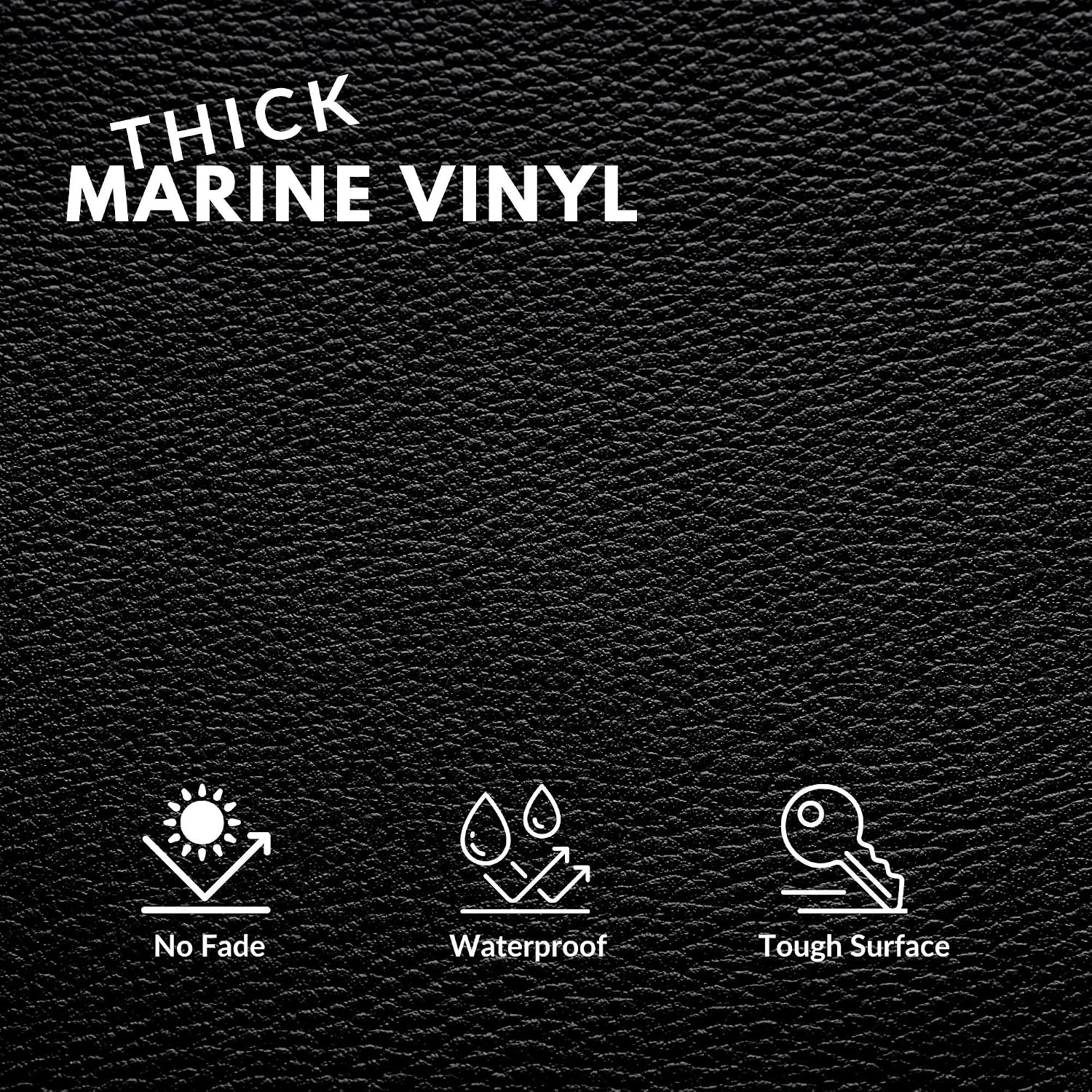
This marine vinyl fabric is solid black faux leather, supplied as one piece measuring 1 yard long and 54 inches wide. It is intended for uses that include boat seating, boat accessories, indoor and outdoor upholstery, headboards, and crafts.
That range gives you several possible starting points. Still, the right choice depends on your own pattern and the demands of the finished item. Before ordering, work out the size, fitting method, and performance details your project needs.
Understand what you are buying
This is fabric for making or recovering an item. It is not a fitted seat cover, a padded cushion, or a ready-to-install upholstery kit. You will need to plan the shape and supply any other materials your project calls for.
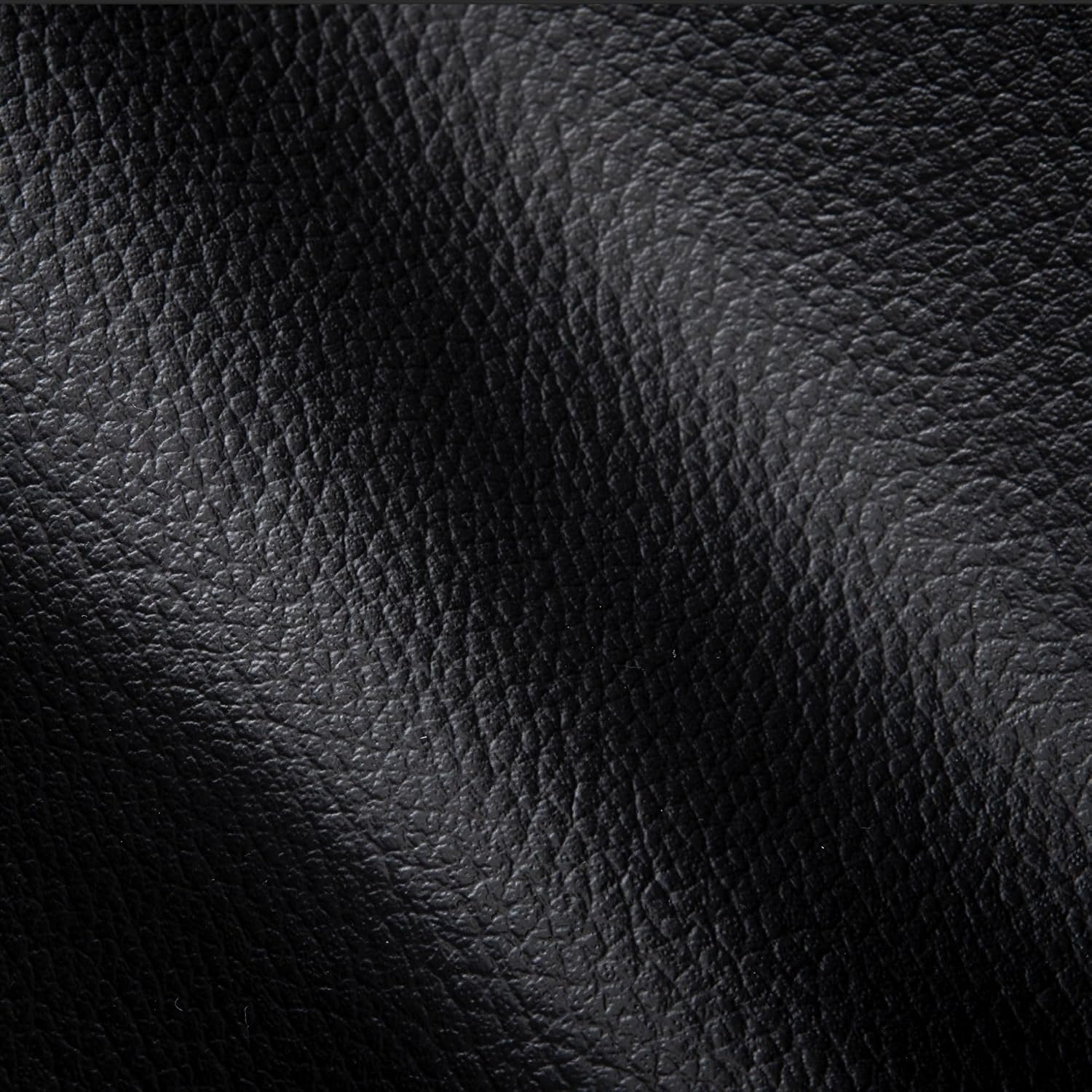
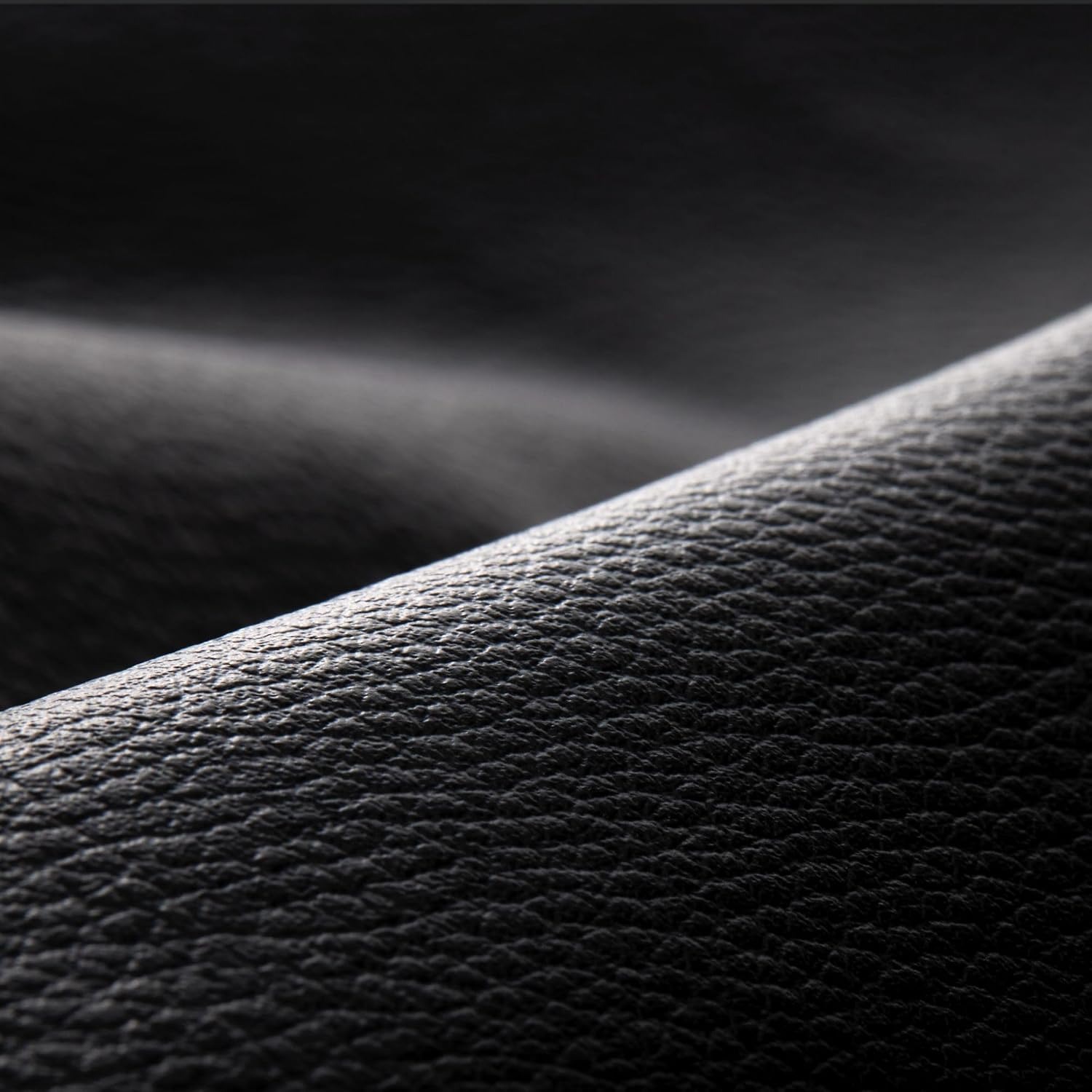
The material is listed as vinyl with a faux leather finish. Its color is black, and its pattern is solid. That makes it an option when you want a plain surface rather than a printed fabric.
The supplied piece measures 36 x 54 inches. Think of it as one fixed rectangle, not an order that will be cut to your requested dimensions. If you need a larger uninterrupted panel, check that requirement before buying.
Water resistance and finished upholstery
Water resistance is a stated feature of this fabric. That matters when comparing materials for seating or accessories that may encounter moisture. It does not, however, mean that everything made from the fabric will be waterproof.
A finished cushion includes more than its outer surface. Stitching, openings, edges, and the materials underneath all play a part in how it handles water. Needle holes and joins need thought during construction.
When choosing water resistant upholstery fabric, consider the whole design. Decide how the item will be used and where moisture could collect or pass through. Do not rely on a surface description to answer every question about the finished project.
The maker does not provide measured water-resistance results. If you need a particular test standard, confirm it before committing to the material.
Decide whether it suits your setting
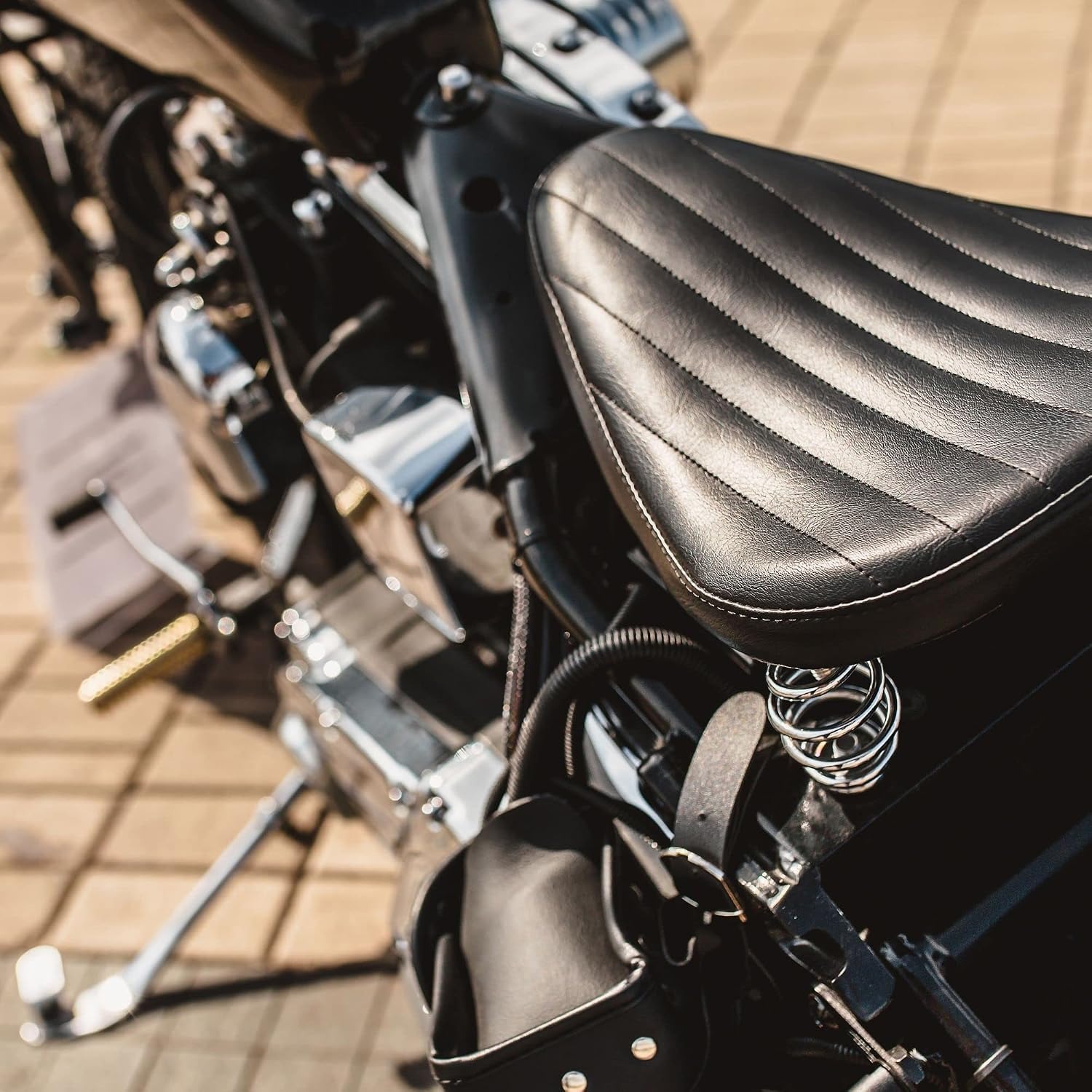
Boat seats and boat accessories are listed applications. If you are comparing marine seat fabric, begin with the seat itself. A simple flat pad has different fitting needs from a shaped cushion with separate side panels.
Indoor and outdoor upholstery are also listed uses. That does not provide a measured service life for every location. Exposure, construction, and care will affect the demands placed on your finished item.
The maker does not state measured UV or abrasion ratings in the maker's description. For a project that depends on those figures, ask for confirmation rather than guessing from the word “marine.”
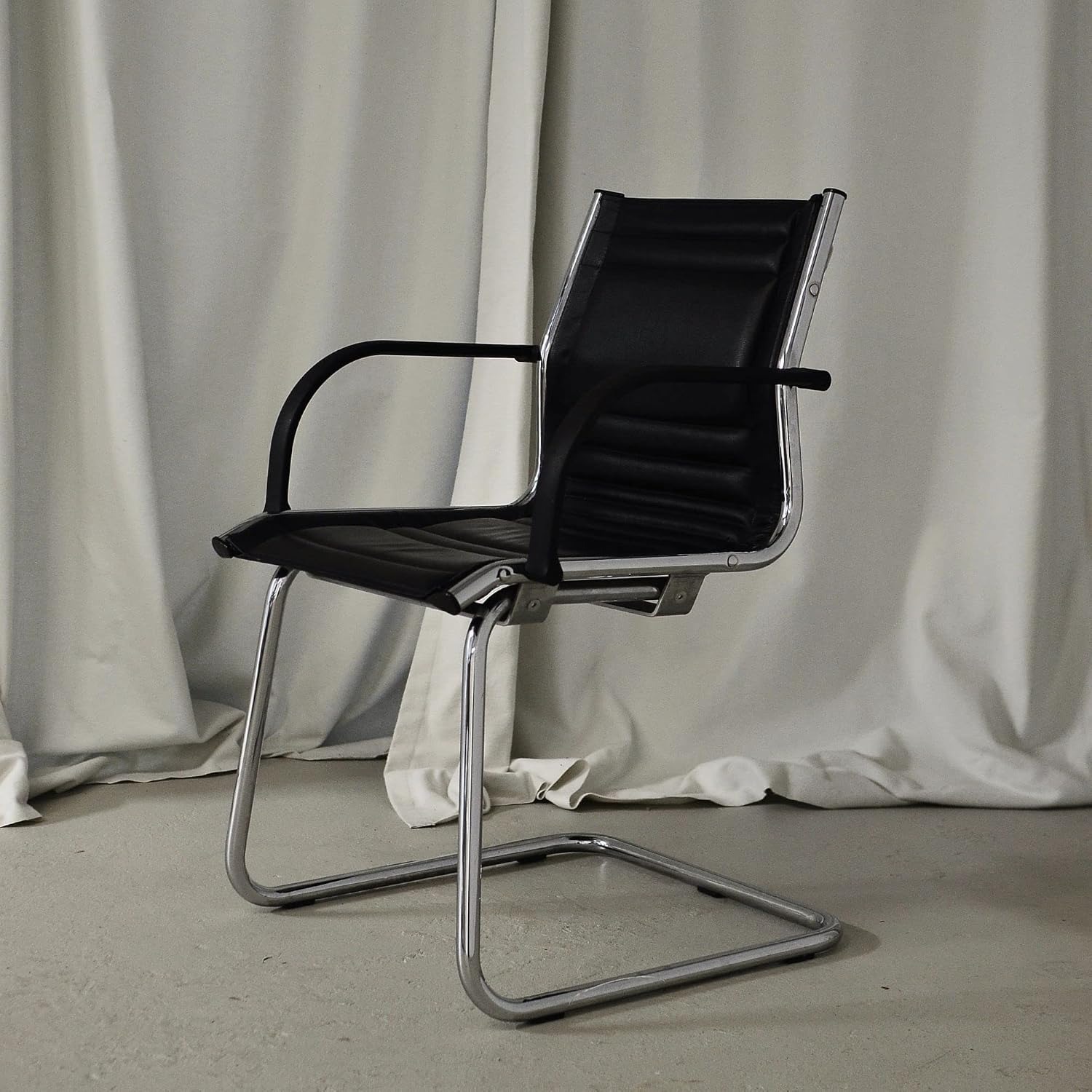
The same careful approach applies indoors. Vinyl fabric for chairs should be chosen around the chair design, the intended use, and any requirements that apply to that setting. A material can match your color scheme without answering every technical question.
Measure the full cover, not just the seat top
It is easy to underestimate upholstery fabric by measuring only the visible face. A cover may also need side panels, seam allowances, folded edges, or enough material to pull around a base.
Start by drawing each panel on paper. Mark the finished size, then add the allowances needed for your chosen construction method. Keep those two measurements separate so you do not accidentally cut to the finished size.
Next, arrange the patterns inside a rectangle measuring 36 x 54 inches. This shows whether one yard vinyl fabric is enough for your layout. Check each panel rather than comparing only the total area.
Leave room to correct small mistakes where your layout allows it. A tight plan may fit on paper but offer no spare material if a cut needs changing. If the fit is uncertain, resolve that before ordering.
Think about the look of solid black vinyl
Black faux leather fabric can be useful when you want a plain finish that does not compete with other details. On a small project, that might mean matching several accessories. On a chair or headboard, it may mean keeping the fabric visually simple.
A solid pattern removes the need to line up a printed motif. It does not remove the need to plan panel placement and check the visible surface before cutting.
If you are matching existing upholstery, judge the match in person. A product photograph cannot settle every question about how two surfaces look together. Inspect the fabric beside the item you intend to recover, in the light where it will be used.
Keep it uncut while making that decision. Cutting first leaves fewer options if the appearance is not what you expected.
Choose a workable fastening method
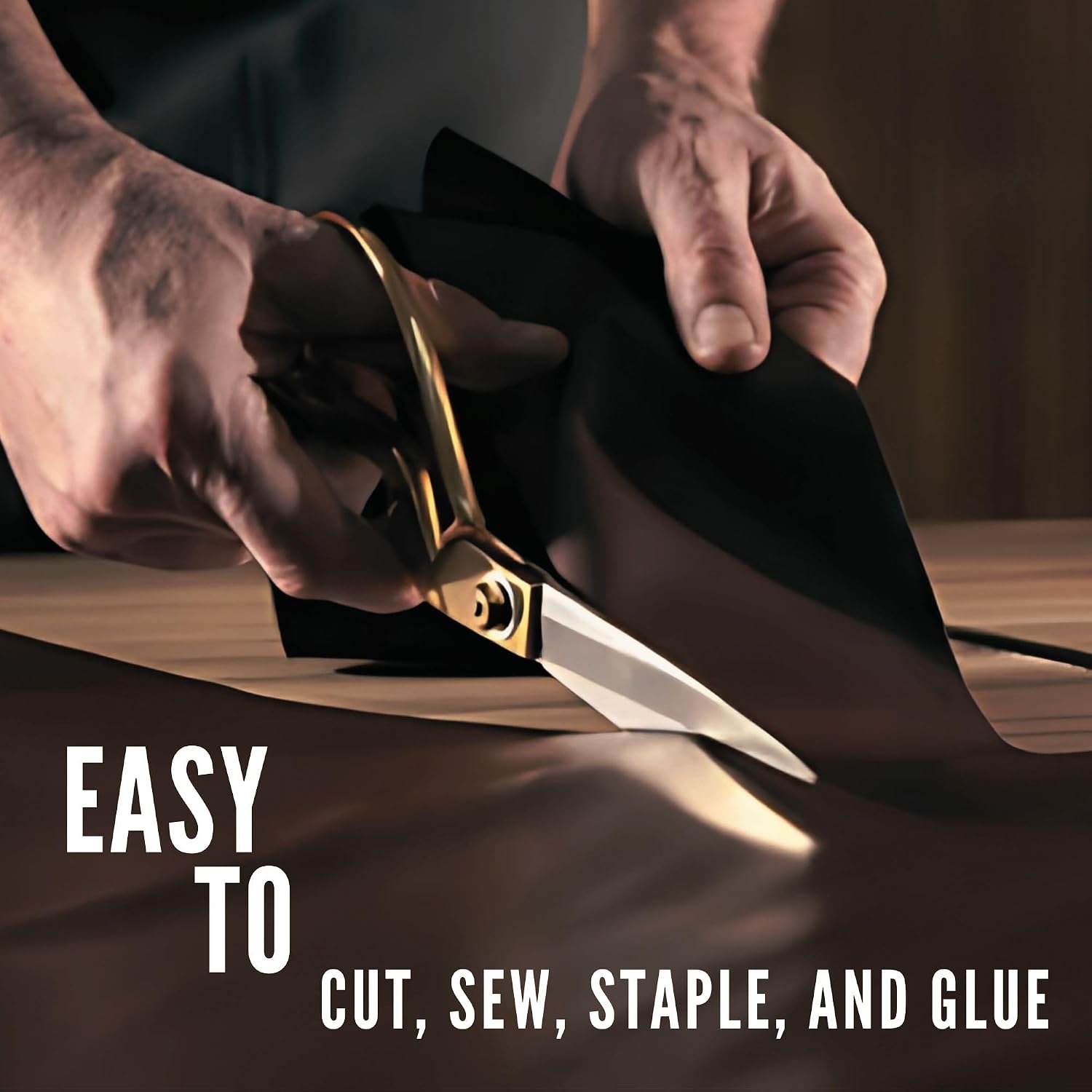
The maker says this fabric can be cut, sewn, glued, or stapled. Those options suit different kinds of projects, but none removes the need to check your tools and supporting materials.
For sewing, test on an offcut before joining your main panels. The maker does not state a required needle, thread, or machine setting. Your own equipment needs to handle the material and the number of layers in your design.
For gluing, choose an adhesive that is suitable for both vinyl and the surface underneath. Follow the adhesive instructions and check a small test area before applying it widely.
For stapling, inspect the base and work out where the fabric will fasten. Include enough material to reach those points. Avoid cutting away your fitting allowance before you have checked the layout.
Know which specifications are missing
Thickness and backing composition are not stated by the maker. These are useful details if you need a certain feel, a particular adhesive bond, or compatibility with a sewing machine.
The maker's description also does not give a country of origin or measured performance ratings. Do not treat missing information as proof that a requirement has been met.
Before buying DIY upholstery fabric, separate preferences from essentials. A preference might be a plain black finish. An essential might be a documented performance result required for your particular job.
If an essential detail is missing, ask about it first. That is easier than discovering a mismatch after you have cut the piece or removed an existing cover.
Use a small project to check your plan
A craft project or small accessory can be a useful way to work through your construction choices. The point is not to assume every method will work. It is to test the method you intend to use.
For example, a trial seam can show whether your equipment handles the planned layers. An adhesive test can help you check the bond and appearance before working on a larger panel.
If you are using headboard upholstery fabric, make a plan for the corners and the material needed behind the board. If you are making a seat cover, consider how separate panels will join.
Good preparation keeps the main piece intact for as long as possible. Mark carefully, check the measurements again, and cut only once you are satisfied with the layout.
Care for the fabric without guesswork
Hand wash only is the stated care instruction. Do not substitute machine washing just because that is how you clean other fabrics.
Test any cleaning product on a small hidden area before wider use. Avoid abrasive tools, and let the material dry before putting it away. If you add other materials during construction, check their care needs too.
A finished item may contain padding, thread, adhesive, or a support board. Those parts can affect how it should be cleaned. Plan care around the whole item rather than the vinyl surface alone.
No detailed stain-removal method is given in the maker's description. If a particular cleaner is important to your routine, confirm its compatibility before use instead of assuming it is suitable.
Inspect before cutting and keep return options clear
When the fabric arrives, check its dimensions, color, and condition. Compare it with your pattern and any nearby upholstery before washing or using it.
A delivery lead time is not stated by the maker. Check the delivery information for your destination, especially if the fabric is part of a time-sensitive repair.
Returns are available within 14 days from delivery when the fabric is unwashed, uncut, unused, and in its original packaging. The customer pays return postage for a change-of-mind return.
Faulty or wrongly described goods are put right free of charge. If something seems wrong, keep the material intact and raise the issue before starting work.
The short version
Choose this black vinyl fabric when its faux leather finish, listed uses, and fixed 36 x 54-inch size match your project. Plan every panel and allowance before buying.
Treat water resistance as a material feature, not a promise that your finished cover will be waterproof.