
The complete guide
A Practical Guide to Choosing Gray Headliner Fabric
A tired roof lining can make the whole interior feel worn. Loose edges, marks, or a sagging covering may have you looking for new fabric, but choosing a replacement takes more than finding the right color. The sheet needs to cover your board, suit its shape, and work with your planned fitting method.
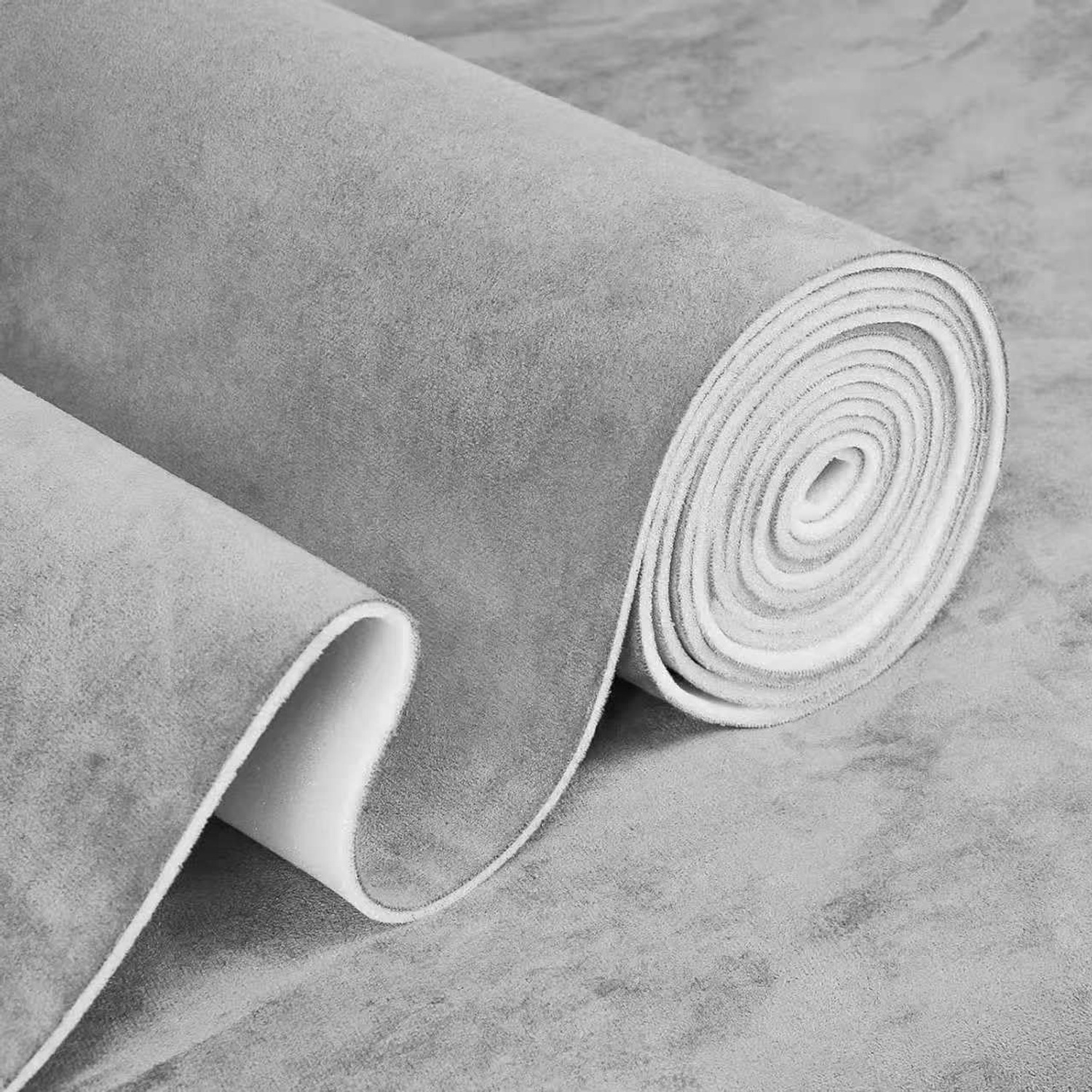
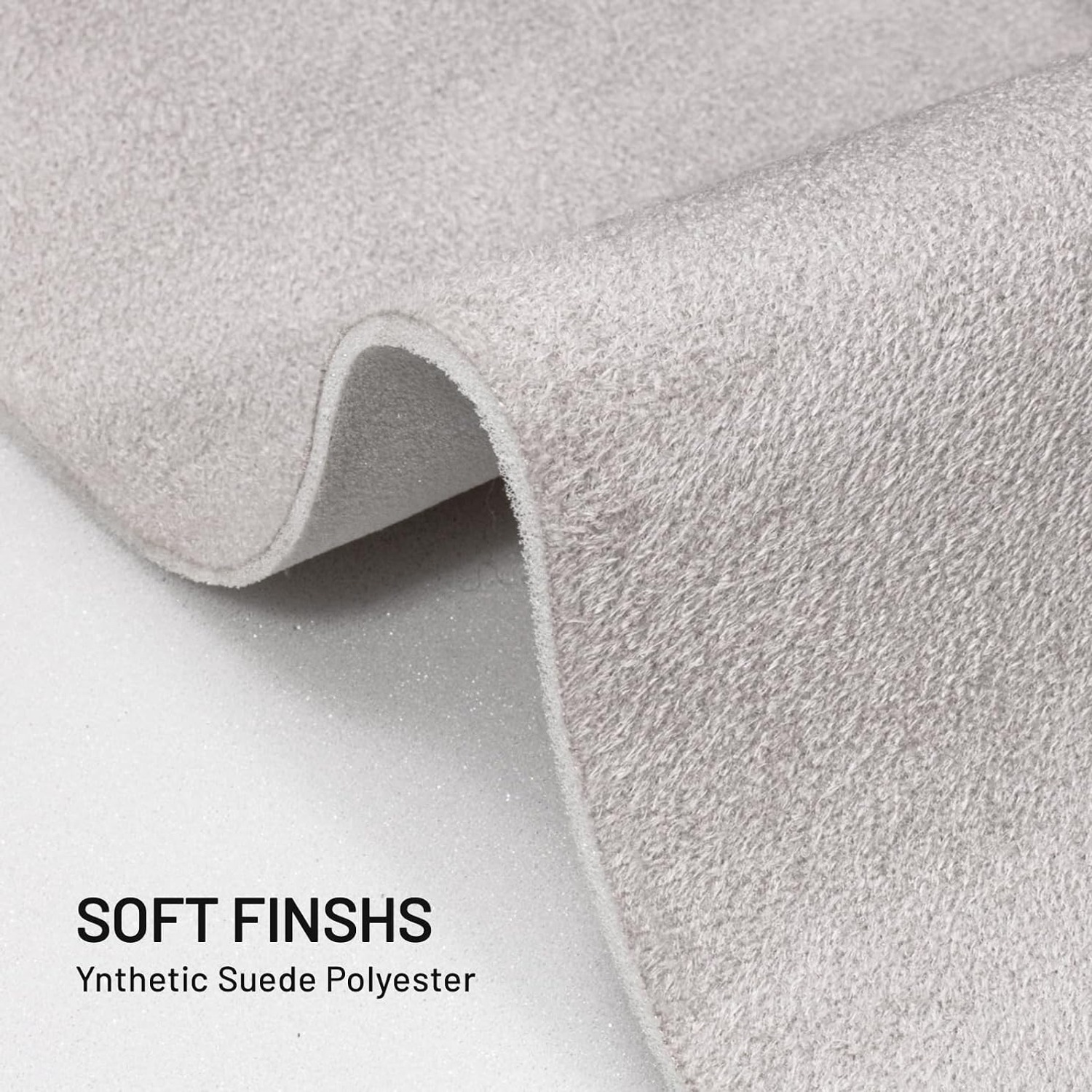
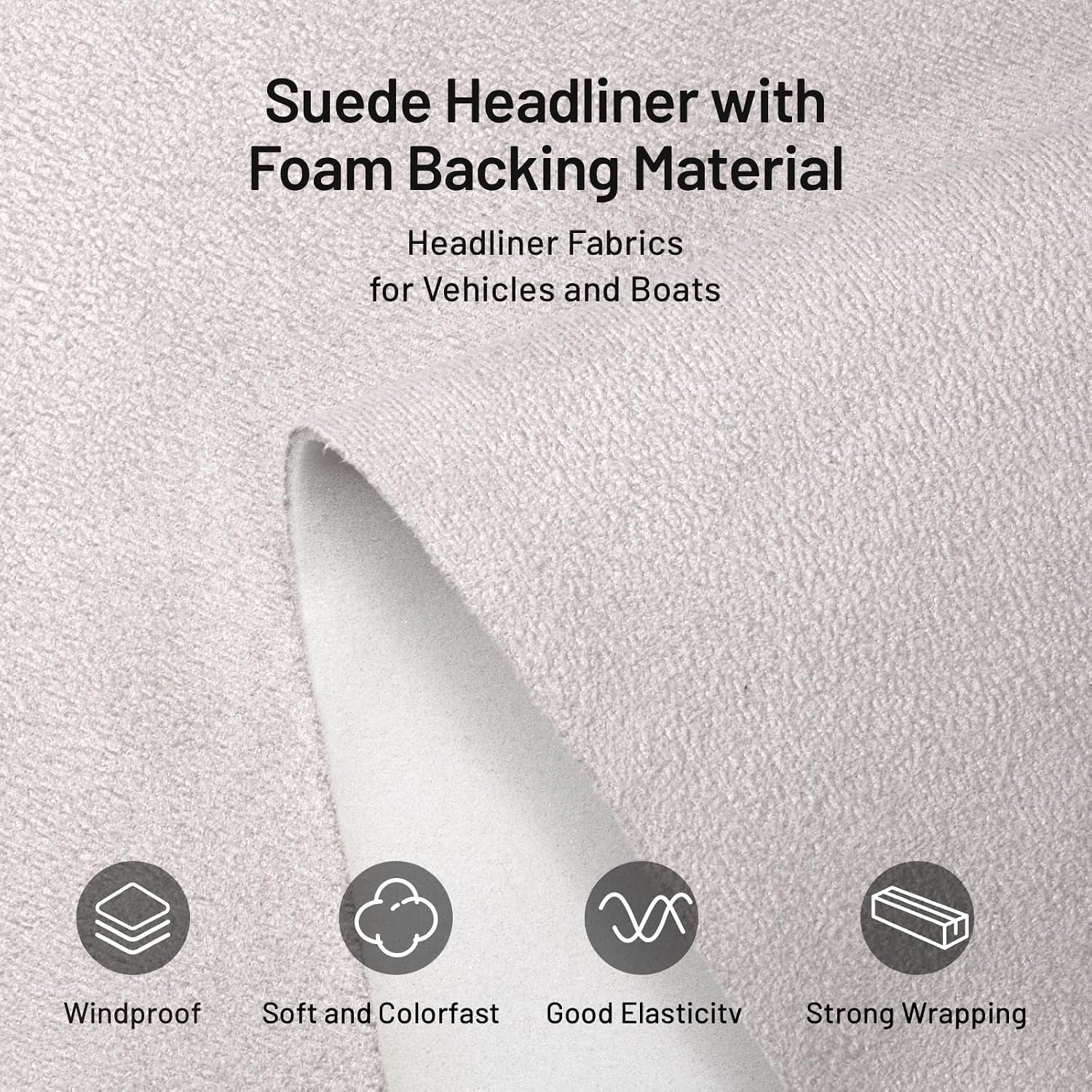
This gray headliner fabric is supplied as one piece measuring 96 inches long and 58 inches wide. It has a faux suede face and a 1/9-inch foam backing. Those are useful starting facts, but they are not a promise of fit for any particular vehicle. A few checks before buying can help you avoid cutting into material that does not suit the job.
Understand what you are buying
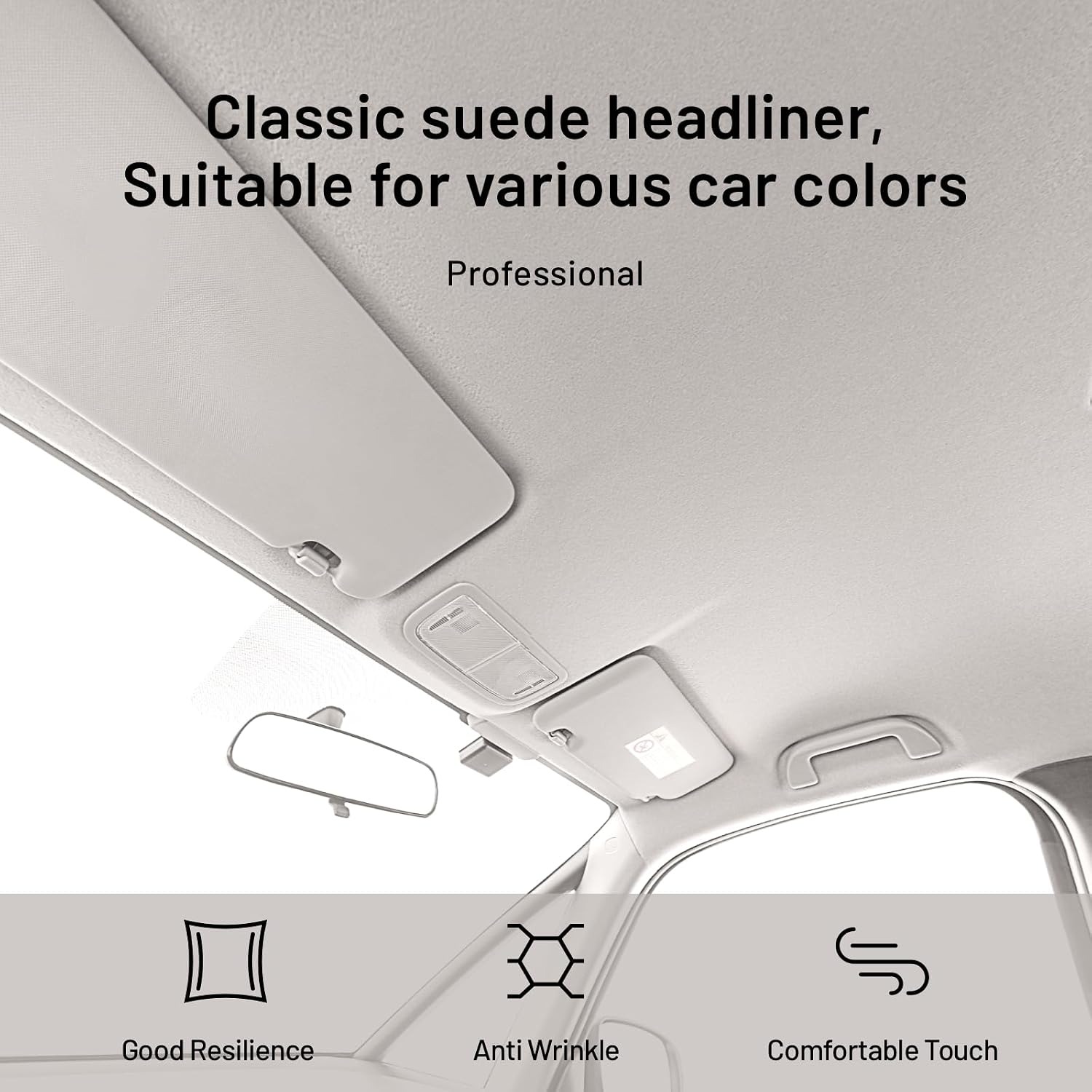
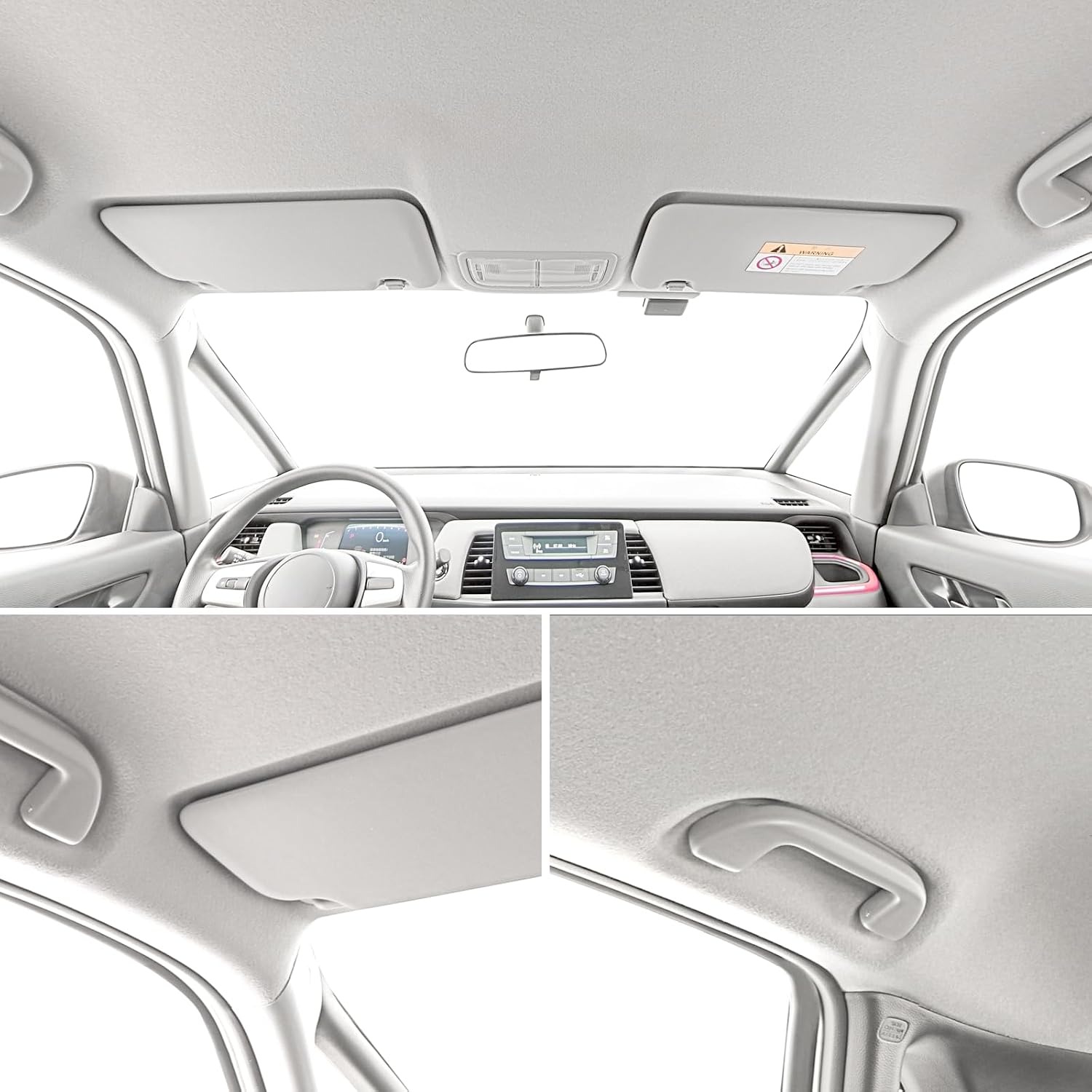
This is a sheet of material, not a complete roof assembly. It does not replace a damaged headliner board or come shaped around lights, handles, or a sunroof. Your project will still need a layout, careful trimming, and an appropriate fixing method.
The listed finish is solid gray faux suede. The foam backing is already part of the fabric, so you are not starting with a separate loose foam layer. However, foam backed roof lining should not be confused with peel-and-stick fabric. A self-adhesive layer is not stated.
The fixed piece is 96 inches long, which is 2⅔ yards, and 58 inches wide. Although fabric is often discussed in yards, this product is for that one set size.
Measure the board, not just the visible ceiling
The visible roof area is not always the full area you need to cover. Fabric may need to follow curves, wrap around edges, or tuck into places hidden by trim. Measuring only the ceiling between the trim pieces can leave you short.
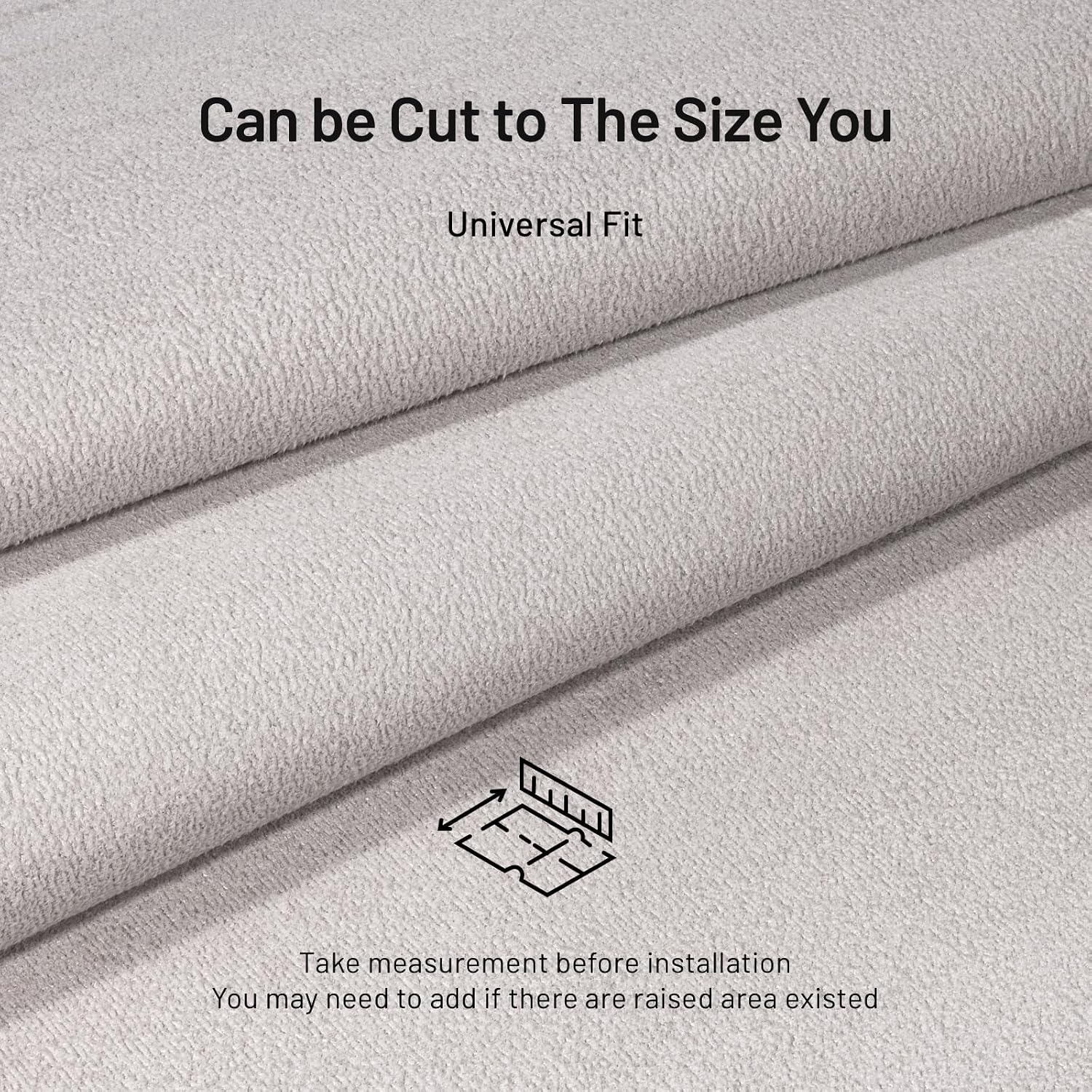
Where practical, use the headliner board itself as your guide. Measure its longest and widest points, then consider the extra material your fitting method needs. Check the vehicle's repair guidance before removing trim or fittings, especially where electrical parts or airbags may be nearby.
Write down the measurements rather than relying on memory. A simple drawing can show the front edge, rear edge, and any openings. Compare that drawing with a 96 x 58-inch rectangle before deciding whether this headliner fabric sheet is large enough.
Do not count on stretching the fabric to make up a shortfall. The maker does not state a stretch rating.
Plan around openings and curves
A broad, fairly flat board presents a different task from a deeply shaped one. Recesses around handles, overhead consoles, and sunroof openings can change how material needs to sit. The outside dimensions alone will not tell you everything.
Look at where the fabric must bend or turn. Think about how you will position the sheet before any adhesive is applied. If your layout needs a join, decide whether that join would be visible and whether it is acceptable for the project.
A sunroof opening does not simply reduce the amount of fabric needed. You may still need material around the opening for wrapping and trimming. Avoid cutting out a large section at the planning stage.
For a complicated board, ask an installer to review the layout. That can be more useful than guessing how much allowance a curve will need.
Choose the gray finish with care
Solid gray upholstery fabric can suit a range of interior plans, but matching an existing interior is a separate question. Seats, pillars, and roof trim may all be different shades even when each is described as gray.
Screen settings and lighting affect how a product image looks. Use the images to understand the general appearance, not as proof of an exact match to your current trim. If a close match matters, ask whether any further color information is available before ordering.
Once the piece arrives, inspect it in the space where it will be used. Look at it in daylight as well as the lighting you normally use in the vehicle. Keep it clean and uncut while you decide.
The faux suede description identifies the face material. It does not establish the exact fiber blend, which is not stated by the maker.
Know what the foam backing does not tell you
The stated foam thickness is 1/9 inch. That describes the backing, not a tested level of comfort, sound reduction, or temperature control. No measured performance figures for those uses are provided here.
Thickness also does not tell you which adhesive to choose. Adhesive compatibility depends on the fabric, backing, receiving surface, and conditions of use. Check the adhesive maker's guidance rather than choosing a product only because it is labeled for general crafts or upholstery.
When comparing foam backed suede, keep known specifications separate from assumptions.
This helps you buy for the actual job. If a project depends on a specific performance rating, get that information confirmed before placing the order.
Check the existing surface before fitting
New car headliner material needs a suitable surface beneath it. If the old covering is sagging or the underlying foam is breaking down, simply covering it may leave the same weak layer in place.
Inspect the board and follow suitable preparation guidance for your vehicle and chosen adhesive. Be careful not to damage the board during removal or cleaning. A board that is cracked, soft, or badly distorted may need attention before new fabric can be fitted.
Keep surface preparation separate from fabric cutting. It is easier to make sound decisions when you know the board is ready and have checked the layout against it.
The maker does not specify a complete installation process. Use vehicle-specific repair information where needed, rather than treating a general fabric guide as instructions for removing every roof fitting.
Decide whether to fit it yourself
A DIY headliner replacement can involve more than spreading fabric over a panel. You may need to remove trim, handle a large board, prepare the surface, and apply adhesive evenly. Your available space matters too.
Think through where the board will sit while you work. You need room to lay out the material without dragging the face across a dirty surface. Plan how you will move the board back into the vehicle without creasing or marking the new covering.
Read the adhesive instructions before starting. Follow its directions for ventilation, application, and curing. Do not substitute an assumed drying time for the time stated on the adhesive packaging.
If the job includes unfamiliar electrical fittings or difficult trim removal, consider professional help. The right choice depends on the vehicle and your experience, not just the price of the fabric.
Inspect the piece before making changes
The material is supplied in tube packaging, intended to help keep it flat in transport. Even so, inspect the whole piece when it arrives. Check the face, backing, dimensions, and overall condition before beginning work.
Keep scissors and adhesive aside until you are satisfied. A small early cut can turn an easy return decision into a problem, even if the rest of the sheet is untouched.
If something appears wrong, keep the original packaging and contact us before using the fabric. Faulty or wrongly described goods are put right free of charge.
For a change-of-mind return, the window is 14 days from delivery. The fabric must be unwashed, uncut, unused, and in its original packaging. Customer-paid return postage applies.
Care for the material gently
Before installation, store the fabric somewhere clean and dry. Keep it away from work that produces dust, splashes, or sharp debris. A clean work surface is especially useful when laying the face side down.
For routine dust removal, start gently with a soft brush. Avoid hard scrubbing or soaking the foam backing. If you need a cleaner, check that it is suitable and test it on a hidden area before wider use.
The maker does not state an ironing temperature in the maker's description. Do not try to remove a mark with direct heat based on care advice for a different fabric.
After fitting, follow the adhesive maker's curing and care guidance. The fabric and the bond both need to be considered when cleaning the finished roof lining.
The short version
Choose this gray roof lining material by checking the fixed size first. You receive one 96 x 58-inch piece of solid gray faux suede with 1/9-inch foam backing, not a pre-shaped replacement for a named vehicle.
Measure the board, allow for its edges and contours, and confirm your fitting method before ordering. Inspect the fabric before cutting, and keep unknowns such as stretch and adhesive compatibility out of your assumptions. Careful planning gives the project a better starting point.