
The complete guide
A Buyer's Guide to Natural Linen Needlework Fabric
Start with the project, not just the fabric
Choosing cloth for needlework can be harder than choosing a design. A piece may look right in a photo but still lack the width your pattern needs. A counted design may also depend on a thread count that a general craft description does not provide.
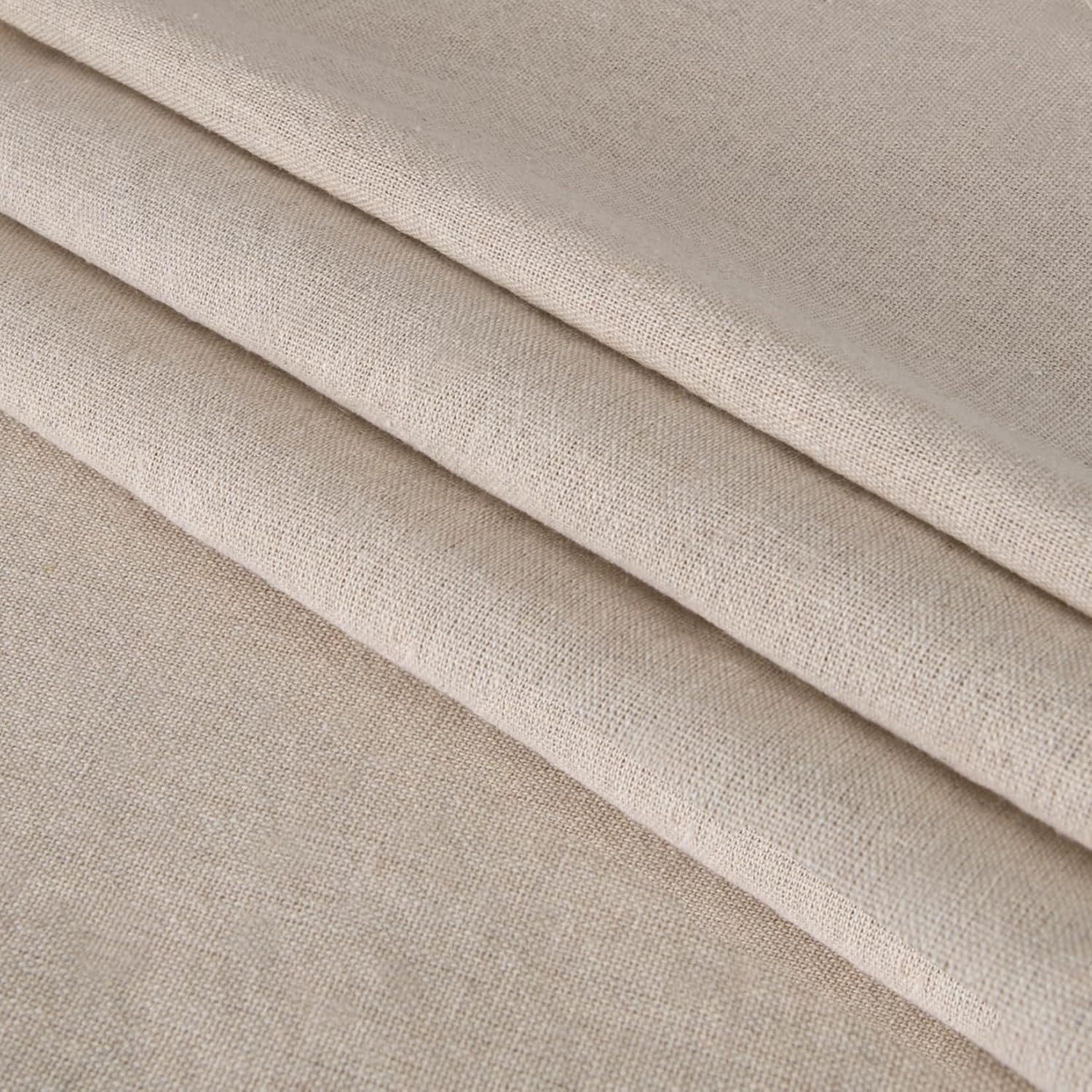
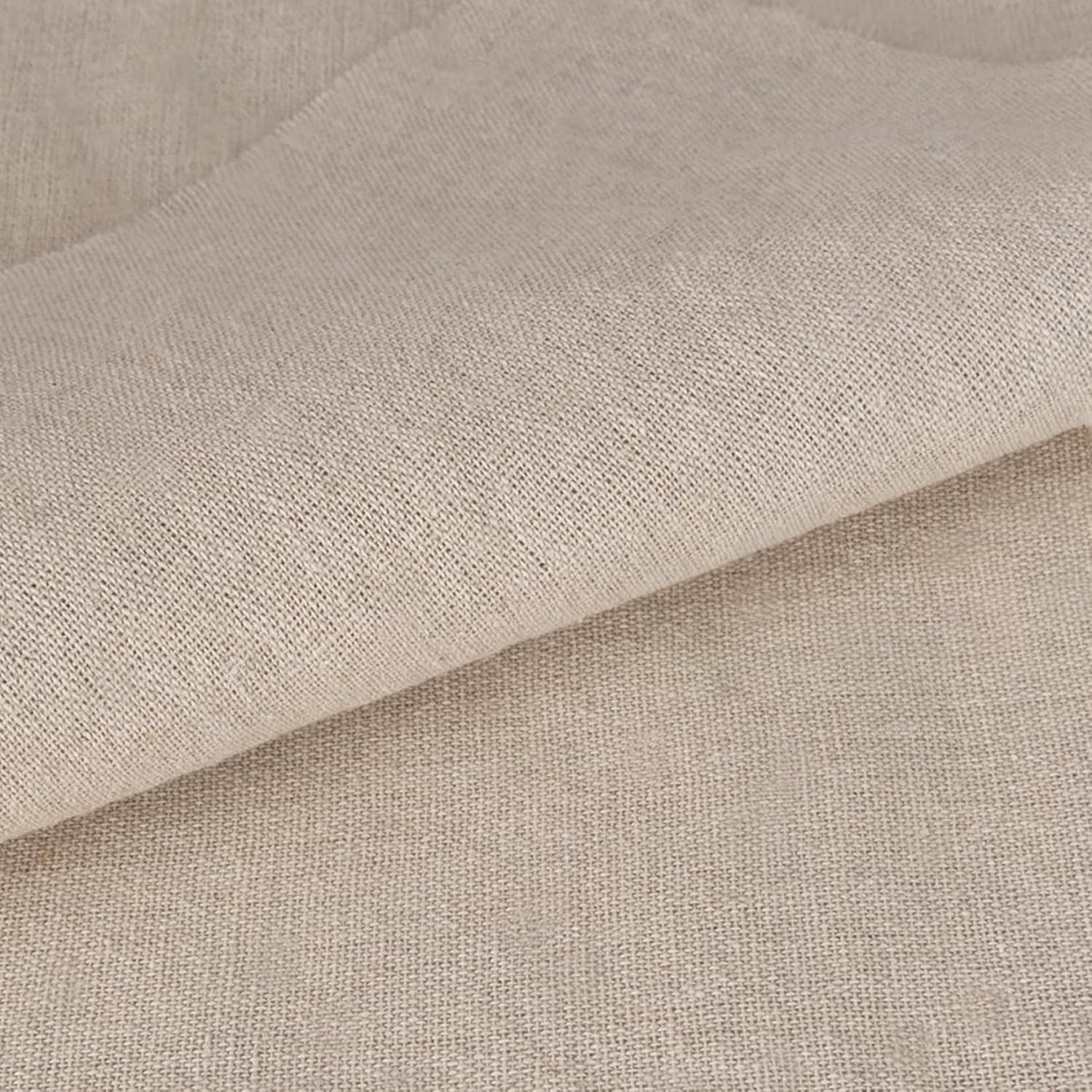
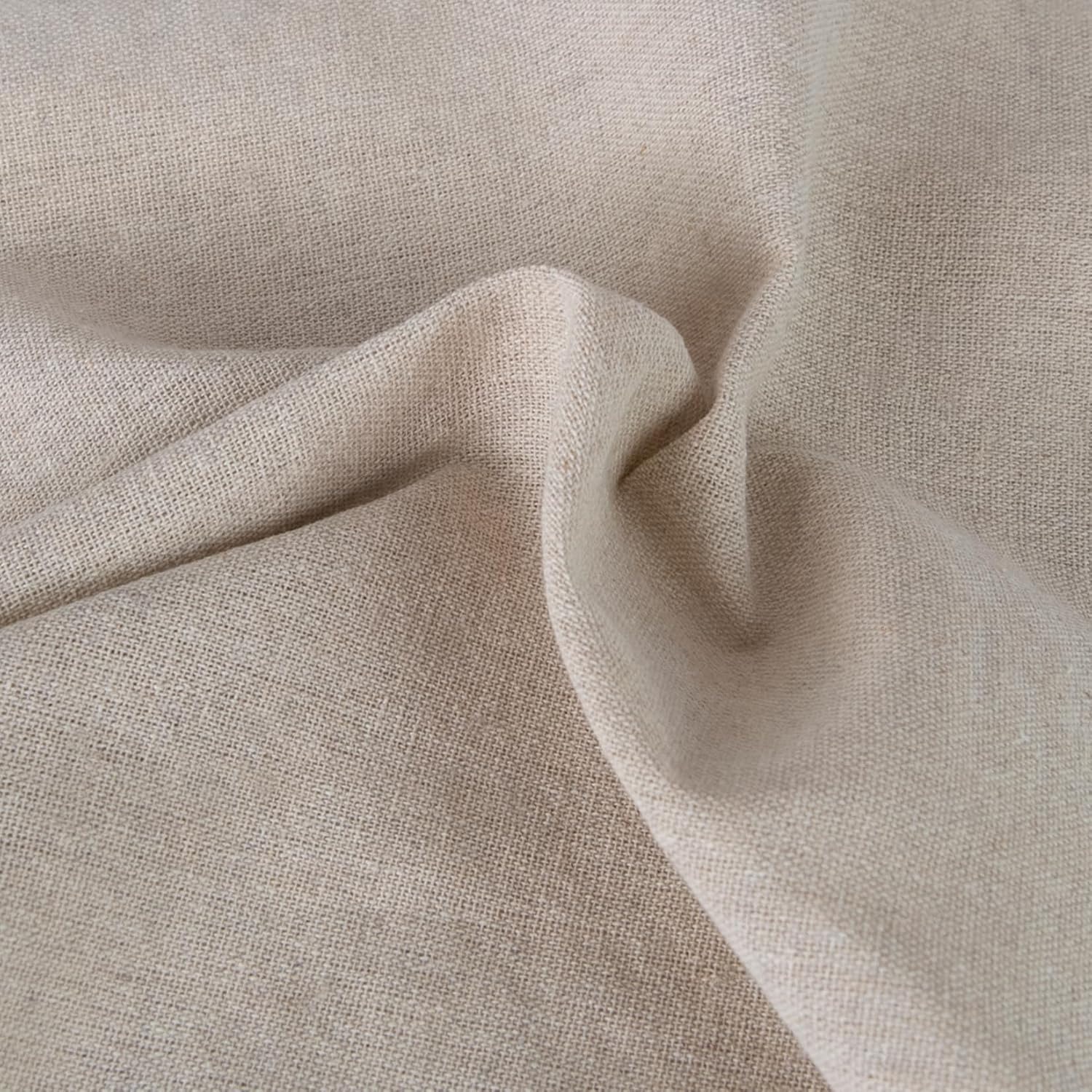
This linen needlework fabric offers a clear starting point. You receive one precut piece measuring 20 x 62 inches, with a solid natural color and a listed basket weave. It is a fixed piece, not fabric sold by the yard.
The useful question is whether those known details match your project. A little planning before you buy can save you from squeezing a design too close to an edge or discovering that a sewing pattern needs a wider cut.
What comes in the pack
Each pack contains one piece. Its 62-inch length is about 1.72 yards, but the width remains 20 inches. That distinction matters when comparing it with patterns written for wider yardage.
If you order two packs, you receive two separate pieces. You do not receive one longer, continuous length.
Think of this as linen fabric for small projects rather than a substitute for any length of dressmaking fabric. Draw your planned pieces on paper and include their cutting margins. That quick check tells you more than the total fabric area alone.
Understanding the fabric details
The supplied specifications identify the fabric as linen, the weave as basket, and the pattern as solid. The color is listed as Natural Color. These details help describe the cloth, but they do not answer every technical question.
The maker does not state fiber percentage, thread count, thickness, or fabric weight per unit area. Country of origin is also not specified. The listed item weight should not be used to guess how thick the cloth will feel or how it will hang.
When comparing basket weave linen with another cloth, focus on the requirements of your chosen technique. If a project calls for a precise weave count, that missing detail is important. If you plan a freehand design, you may have more room to test and adjust.
Choosing an embroidery project
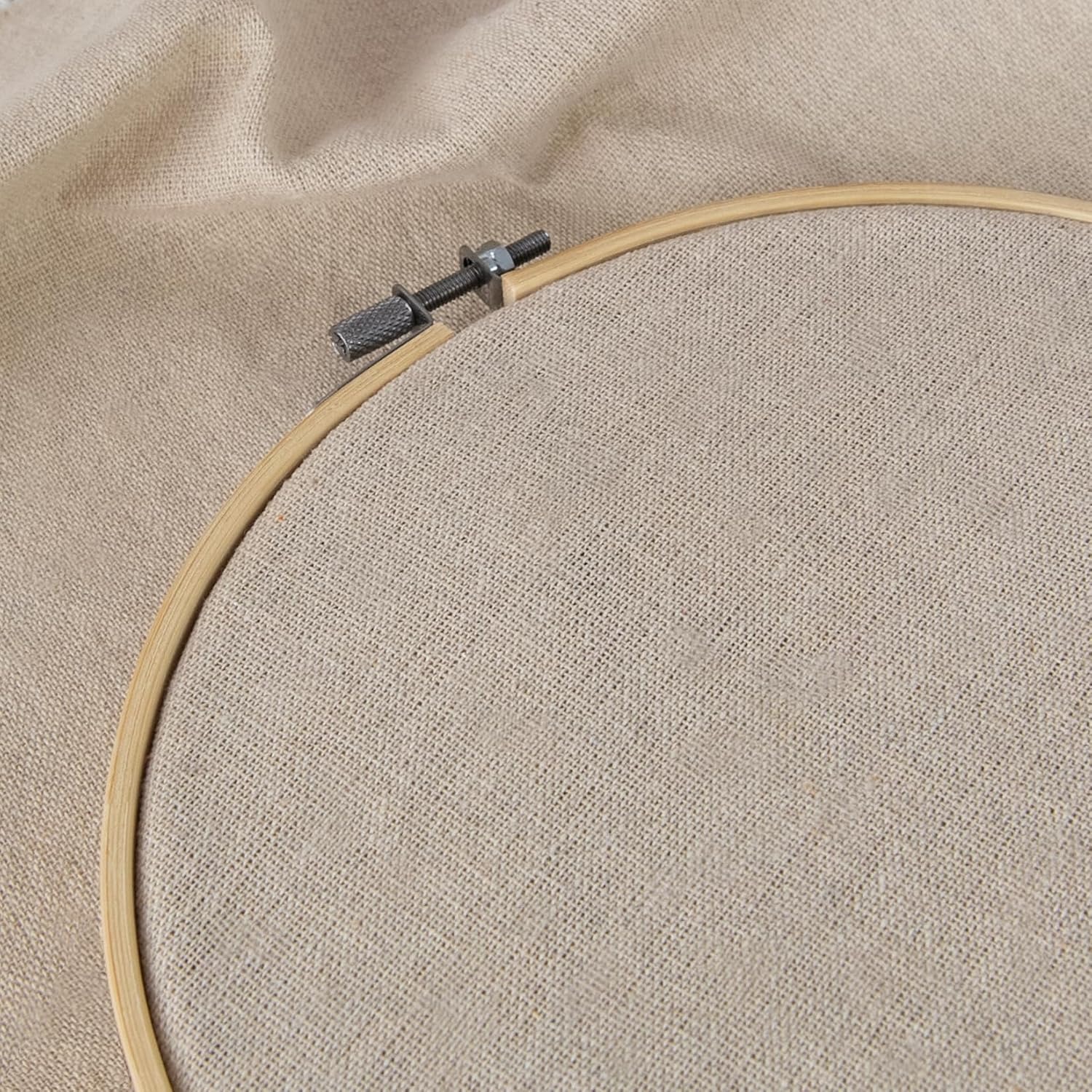
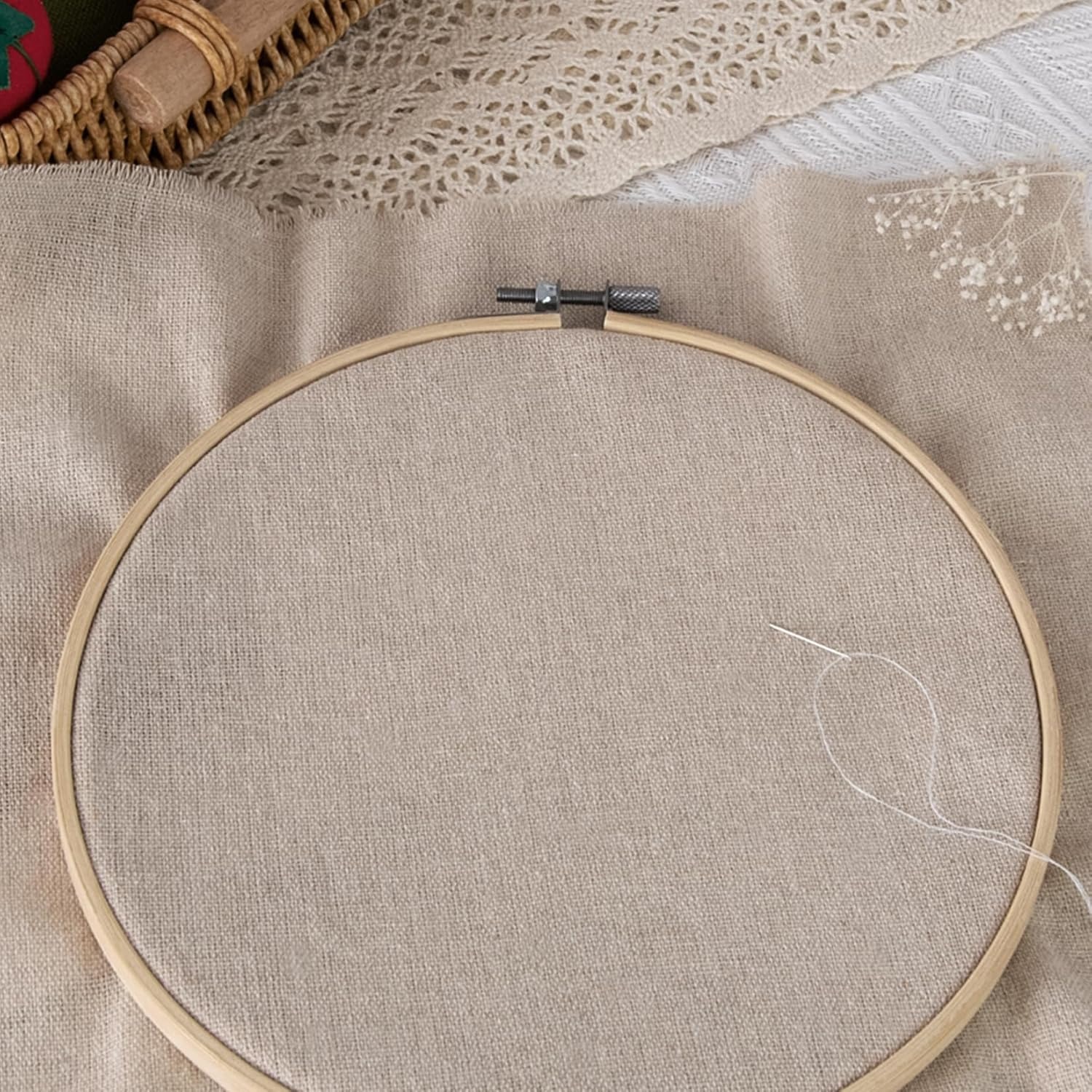
Linen fabric for embroidery should suit both the design and the way you intend to stitch it. Start by measuring the design itself, then add room for a hoop, frame, hem, or other finish. The stitched area is rarely the full size of the fabric you need.
For a freehand floral sketch, lettering, or a small decorative motif, plan a test area first. Try the thread and needle together and look at the result from both sides. Check whether the stitch sits the way you want before repeating it across a larger area.
Counted embroidery needs a different check. Because no thread count or evenweave specification is supplied, do not assume this embroidery linen matches a chart written for a particular count. Confirm the required details before buying for that purpose.
Working with the natural color
A solid background lets you make the design decisions. You are not fitting stitches between printed flowers or working around stripes. That can be useful when you want to sketch your own layout or use a pattern you already own.
Still, natural color linen fabric should not be treated as an exact color match from a screen. Lighting and display settings can change the way fabric appears in photos. If your project must match an existing textile closely, allow for that uncertainty.
You can plan thread choices before ordering, but make the final color decision with the cloth in front of you. Lay your chosen threads across it in the light where you usually work. This gives you a clearer view than comparing separate product pictures.
Making the most of a 20-inch width
The narrower dimension deserves attention first. A long piece can still be too narrow for a cushion panel, garment section, or table project once seams and hems are included.
For example, a finished piece that is exactly 20 inches wide would leave no width for turning under its edges. Work backward from the finished size and add the allowances your pattern requires. Do the same at both ends of the length.
For several small designs, sketch a cutting layout before reaching for scissors. Leave space between pieces for clean cuts and finishing. If a design has a required grain direction, follow the pattern rather than rotating pieces simply to make them fit.
Keeping a small offcut for testing is also useful. It gives you a place to try a marking method, seam, or stitch without changing the main piece.
Considering sewing and home craft uses
The maker's details include craft, table covering, garment, and accessory uses. Those are possible project categories, not a promise that this piece meets every pattern's needs.
For a small table textile, measure the surface and decide how much overhang you want. Then add the fabric needed for hems. For a sewn accessory, check whether the pattern needs lining, interfacing, or a particular fabric weight.
Clothing calls for extra care. Width, drape, opacity, and the size of each pattern piece all affect suitability. Since several of those details are not stated by the maker, do not choose this linen sewing fabric for a fitted garment based only on its name.
Simple projects with flexible dimensions may be easier to assess. Even then, make sure the cloth and the pattern suit each other before cutting.
Preparing for the first stitch
When the fabric arrives, unfold it and inspect it before washing, marking, or cutting. Check the piece against your planned layout and make sure you are happy with the color. Keep the original packaging while you decide.
The maker does not state whether the cloth has been prewashed or give a shrinkage rate. If your project will be washed later, consider how you will prepare the fabric before final sizing. Do not base a close-fitting layout on an assumed shrinkage allowance.
Choose any marking method with care. Test it on a spare area and follow the marking product's instructions. The same goes for needles and threads, since no specific sizes are recommended in the maker's description.
This preparation takes a little time, but it is easier than changing a design after the first large section is stitched.
Caring for the cloth and the finished work
The care guidance is straightforward. Wash in cold water with mild detergent. Line dry or use a low drying temperature, and iron while damp with a medium-hot iron.
Once you add stitching, the finished item's care may depend on more than the base cloth. Thread, backing, trims, and any added decoration can have their own limits. Check those before washing the finished project.
If you are making a gift, pass on suitable care instructions with it. A small note can help the recipient avoid treating decorative stitching like an ordinary household cloth.
Store spare fabric somewhere clean and dry, away from materials that might transfer color. Keep useful offcuts together so they are easy to find when you want to test a stitch or plan another small project.
Buying for someone else
A piece of linen craft fabric can be a thoughtful choice for someone who likes making their own designs. It leaves them free to choose the project rather than giving them a fixed kit.
Before buying, find out whether they prefer freehand embroidery, counted work, or sewing. Someone following counted charts may need a stated fabric count. Someone making a particular accessory may need a wider piece.
Remember that this product is for fabric only. Needles, thread, and a hoop are not listed as included. If you are putting together a gift, choose any extra tools separately around the recipient's usual craft.
Check delivery and returns before you begin
A delivery lead time is not stated by the maker. Check the delivery information for your destination before planning a project around an arrival date, especially if you are making something for a birthday or event.
Change-of-mind returns are allowed within 14 days of delivery. The fabric must be unwashed, uncut, unused, and in its original packaging, and you pay return postage. Inspecting it before preparation keeps that option open.
Faulty or wrongly described goods are put right free of charge. If something appears wrong, raise it before altering the fabric so the issue can be assessed clearly.
The short version
Choose this natural linen cloth when one 20 x 62-inch precut fits your design and the listed details meet your needs. It offers a solid natural-color background for needlework and small craft plans.
Check the missing technical details if your method depends on them. Measure first, leave room for finishing, and inspect the piece before washing or cutting. That is the simplest way to start with a project that fits the fabric you are buying.